We Carved a Rustic Wilderness Trail — and Unlocked a SPECTACULAR Lake View! | MY WILD HOLM – S3 Ep17
🚶♂️ Join us on our island as we transform a wild, overgrown trail, riddled with deadfall and other hazards into a clean, mulched walking trail that leads to a breathtaking lake view. In this episode, we clear underbrush, chip up fallen branches, remove stumps and fallen trees while sculpting a natural trail perfect for safe, off grid living.
Table of Contents
- Time for Plan B
- Time to Say Goodbye
- Our Plan for the Path
- It Takes Vision
- Recalling the Road Trip
- Before and After
Time for Plan B
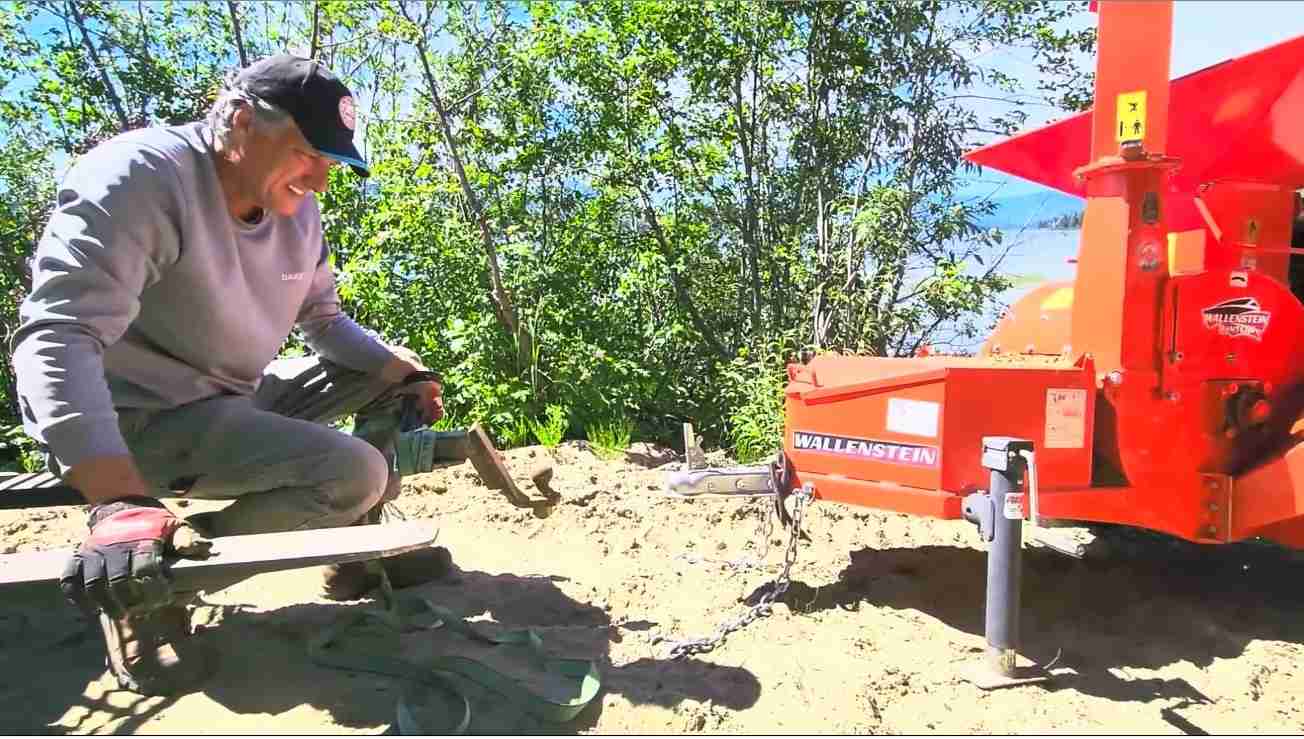
We started the day trying to position the chipper — Alvin — where it would be most useful for clearing brush to make the trail. What seemed like a straightforward hitch and tow turned into a bit of a wrestling match: chains slipping, hitch pins coming loose, and the realization that our rigging needed a smarter approach. After a few attempts it became obvious: plan B was necessary.
Along the way we highlighted a handful of practical lessons you can use on your own off-grid property: double-check your fasteners, keep a set of proper fork extensions if you’ll be moving heavy equipment frequently, and never underestimate how useful a backup plan can be when hauling gear through tight, wooded terrain.
Time to Say Goodbye

I admit it—we sometimes fall in love with old, comfortable tools (even those with taped-up gloves). Still, careful improvisation won the day. Using the forks under the hitch and some cautious teamwork, we finally got Alvin where he needed to be. That small victory made the rest of the work possible.
We also reminded ourselves to pace the work. The island heat makes long days taxing, so we prioritized tasks: move the chipper, clear a swath of underbrush, and stay mindful of where tools and people are. A short pause to switch gloves or re-orient a machine saves time and stress later on.
Our Plan for the Path
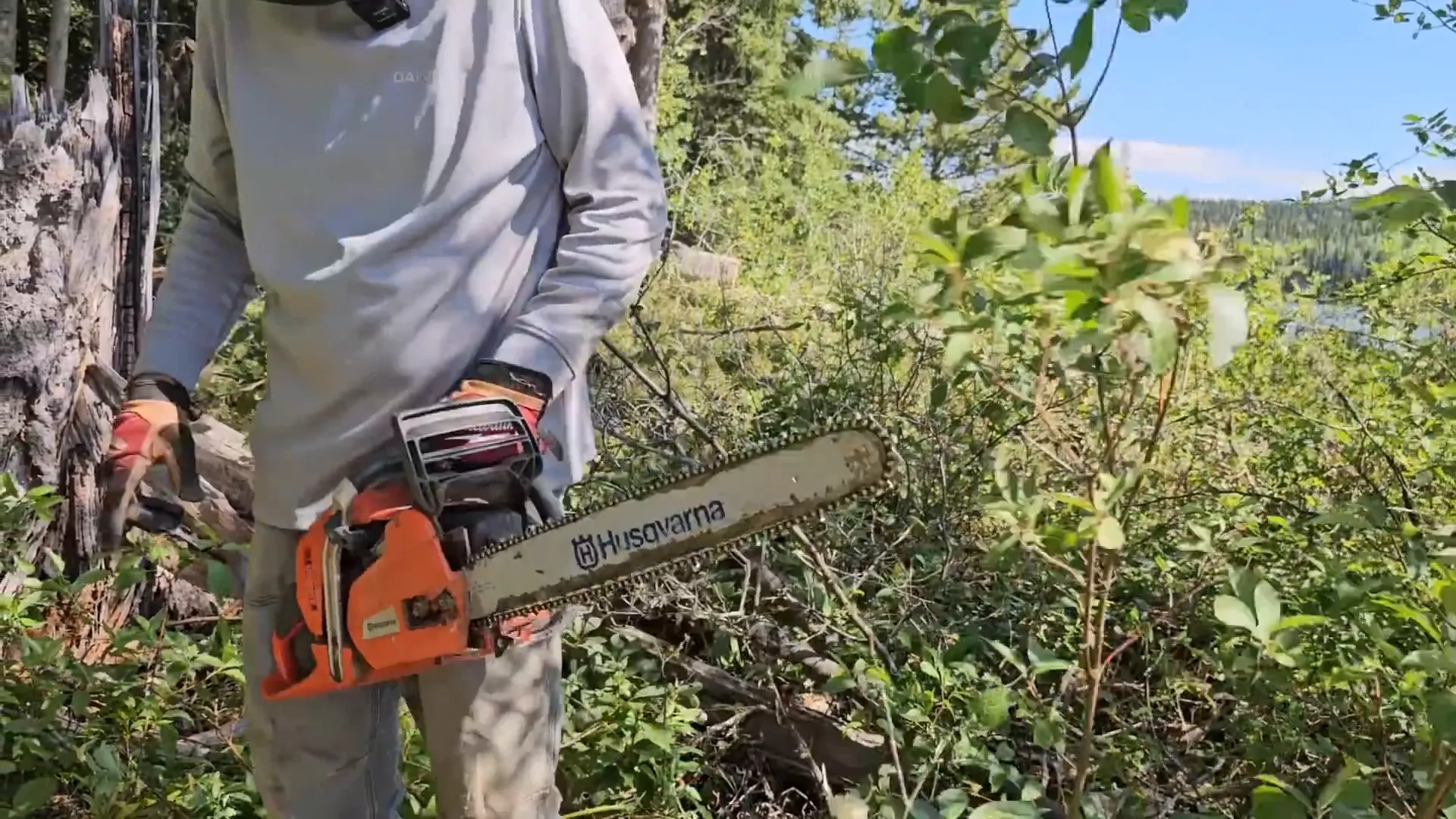
With gear in place, we outlined the route from the guest shed area down to the lake. The goal was simple: convert a hazardous, root-and-log‑filled walk into a safe, rustic trail that opens to a beautiful sandy shoreline and our fire pit. We cut near the bases of problem trees, uprooted small saplings, and cleared the natural corridor until a path began to take shape.
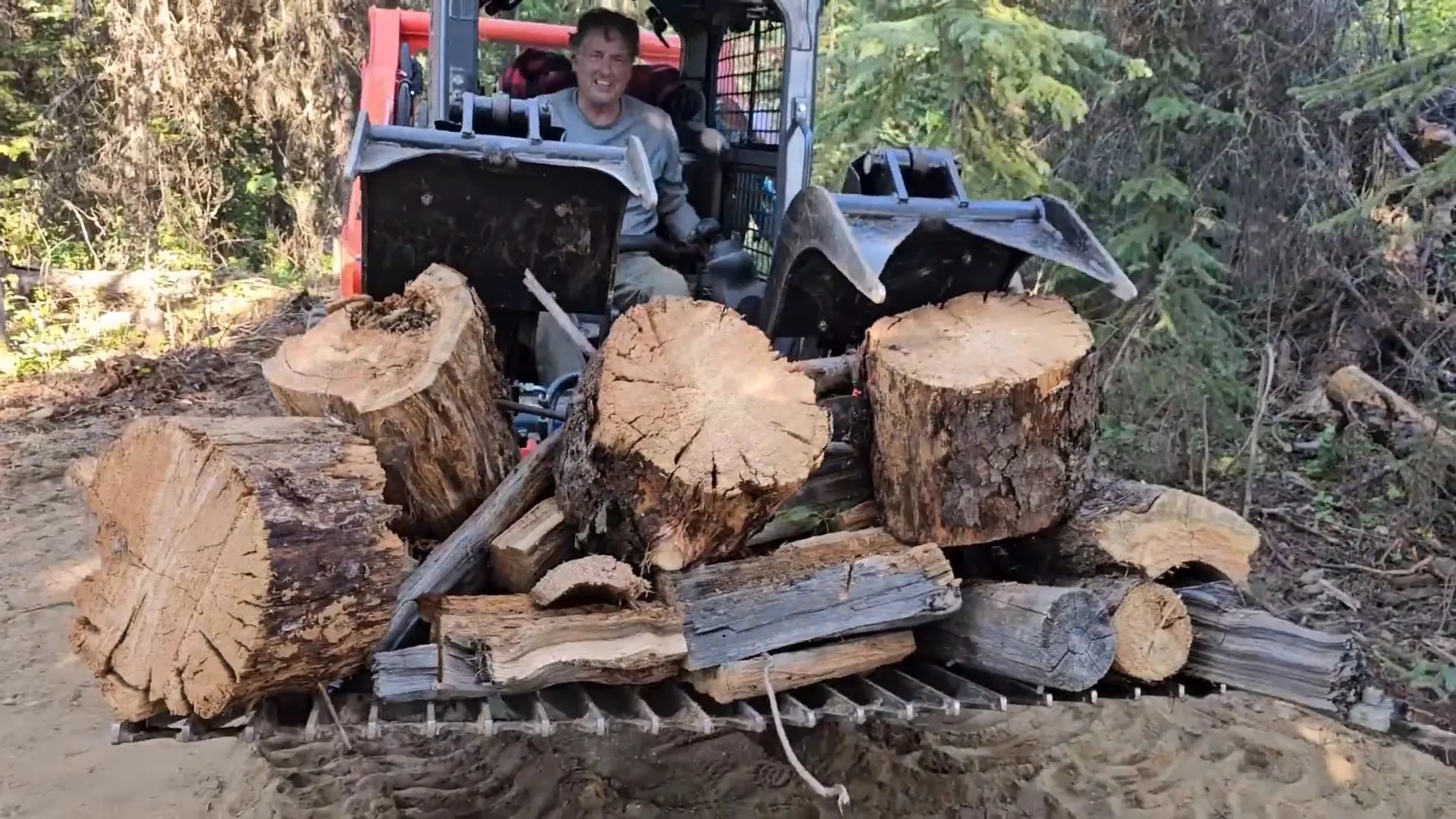
During the clearing we used a mix of tools: chainsaw for standing and fallen timber, Alvin the chipper for branches and underbrush, and our Kubota (Pepper) for hauling heavier pieces. The value of pairing machines became clear—Alvin chews through brush in seconds and pulverizes fine material, while Pepper moves the bulkier logs and panels we needed shifted.
It Takes Vision
While power tools and tractors do the heavy lifting, this project was as much about vision as it was about muscle. We saw the potential in an overgrown corridor—where others might only see tangle and trouble—and envisioned a gentle, meandering trail that opens to the lake.
That vision guided decisions like what trees to keep for shade and where to thin the canopy to open up a view. We left some larger trees for ambience and removed obstructive deadwood. The result? A path that feels natural and intentional.
Recalling the Road Trip
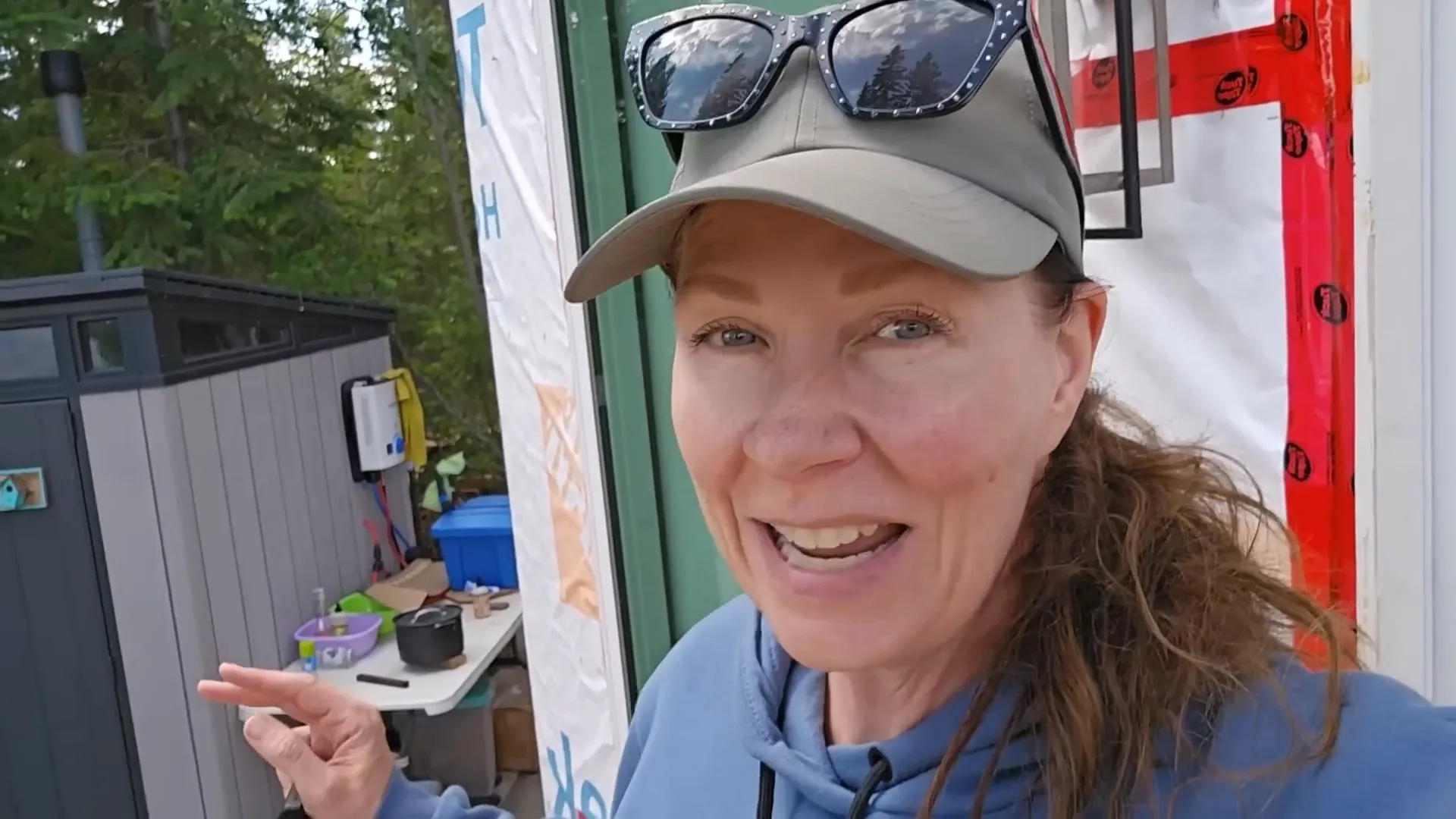
We picked up Alvin at auction during our first big supply run, and that memory came back as we used him for this project. Transporting equipment to an island changes the way you plan every task—you bring what you can on the barge, and then adapt.
That early episode of ferrying machinery taught us to be decisive. We couldn’t be tentative about the work we planned; the island environment rewards commitment. We grabbed the tools, learned the machines, and built on each day’s work. Those early logistics shaped our approach to trail building—bringing the right machine at the right time made the difference between a slow slog and a tidy afternoon of progress.
Before and After
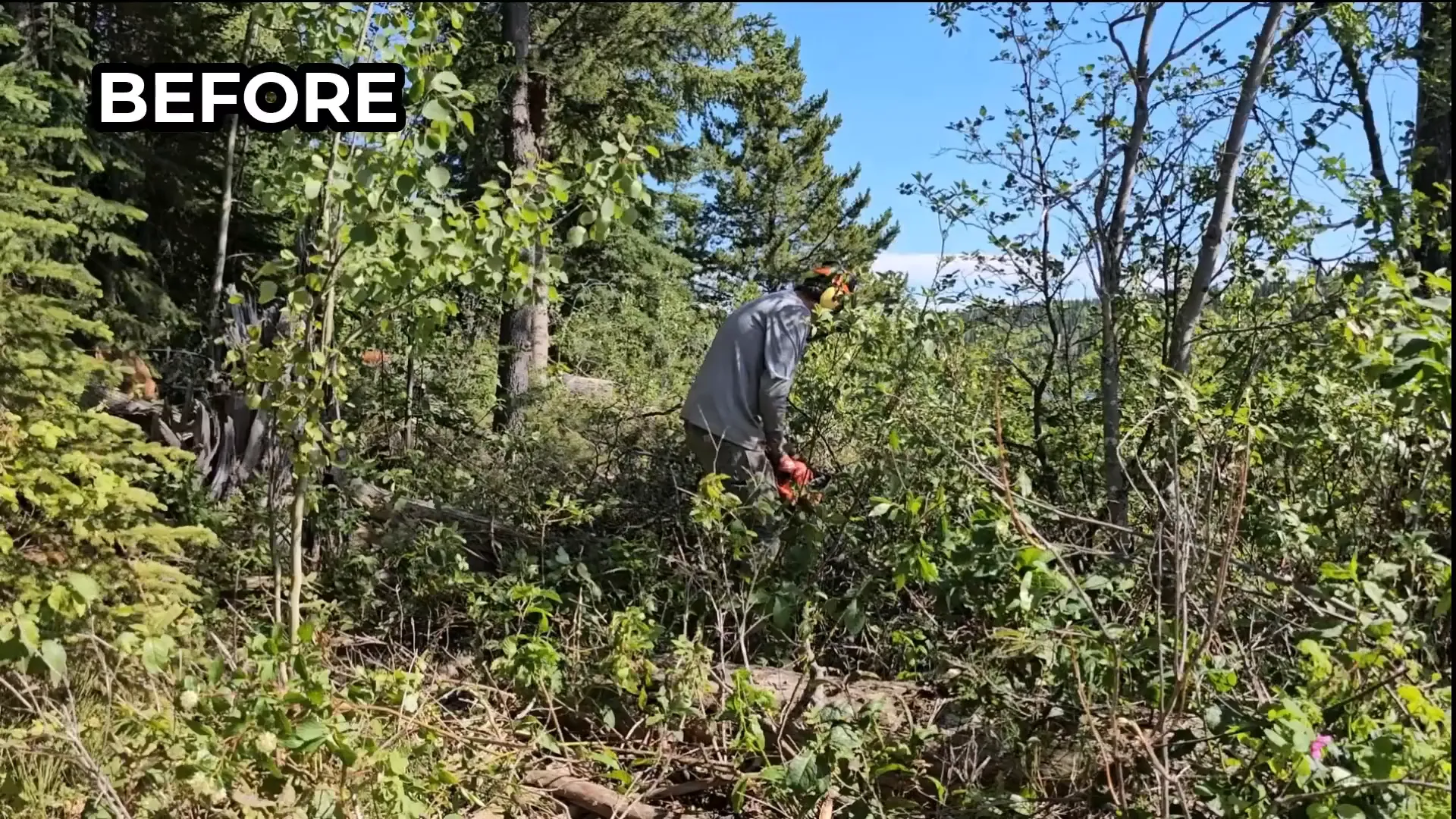
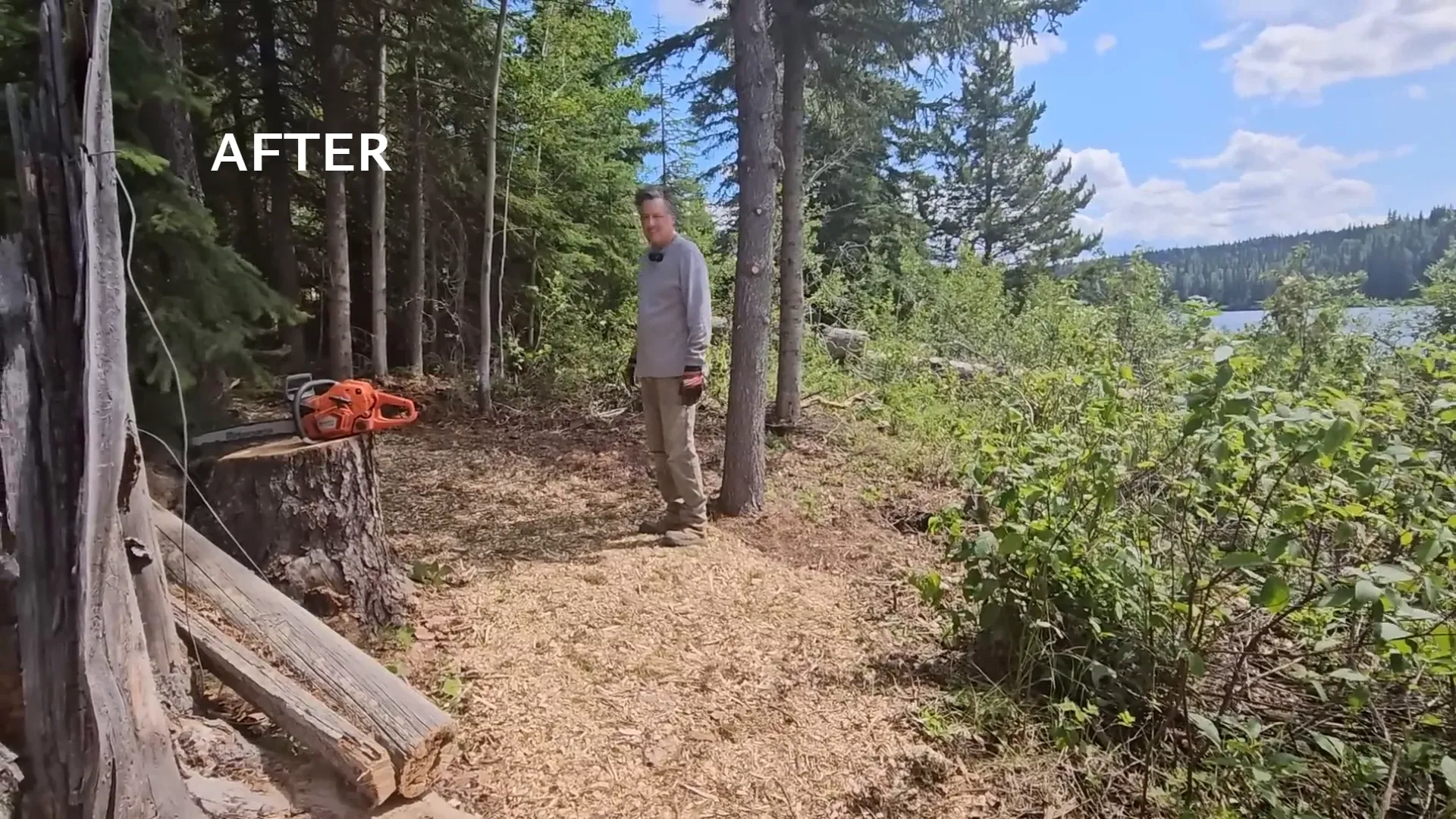
Standing on the finished route, the contrast was obvious. Where the forest floor was once littered with trip hazards and thick underbrush, there now runs a sculpted walking trail that meanders down to a sandy beach and fire pit. We graded a few spots, added mulch, and opened sightlines so the lake view truly shines.
Practical takeaways from this section of the work:
- Feather cuts at ground level to avoid leaving stumps that trip walkers.
- Use a chipper like Alvin to turn brush into path surfacing—it’s efficient and smells wonderful.
- Keep heavier machines like Pepper available for log handling and lifting.
- Always probe the ground before cutting to avoid hitting old wires, nails, or metal debris.
We were especially glad we hadn’t permanently fixed flooring in place for one of the guest sheds—moving that floor panel by panel with Pepper proved much simpler than if it had been fully nailed down. Thinking ahead about temporary builds makes future adjustments far easier.
Final Thoughts
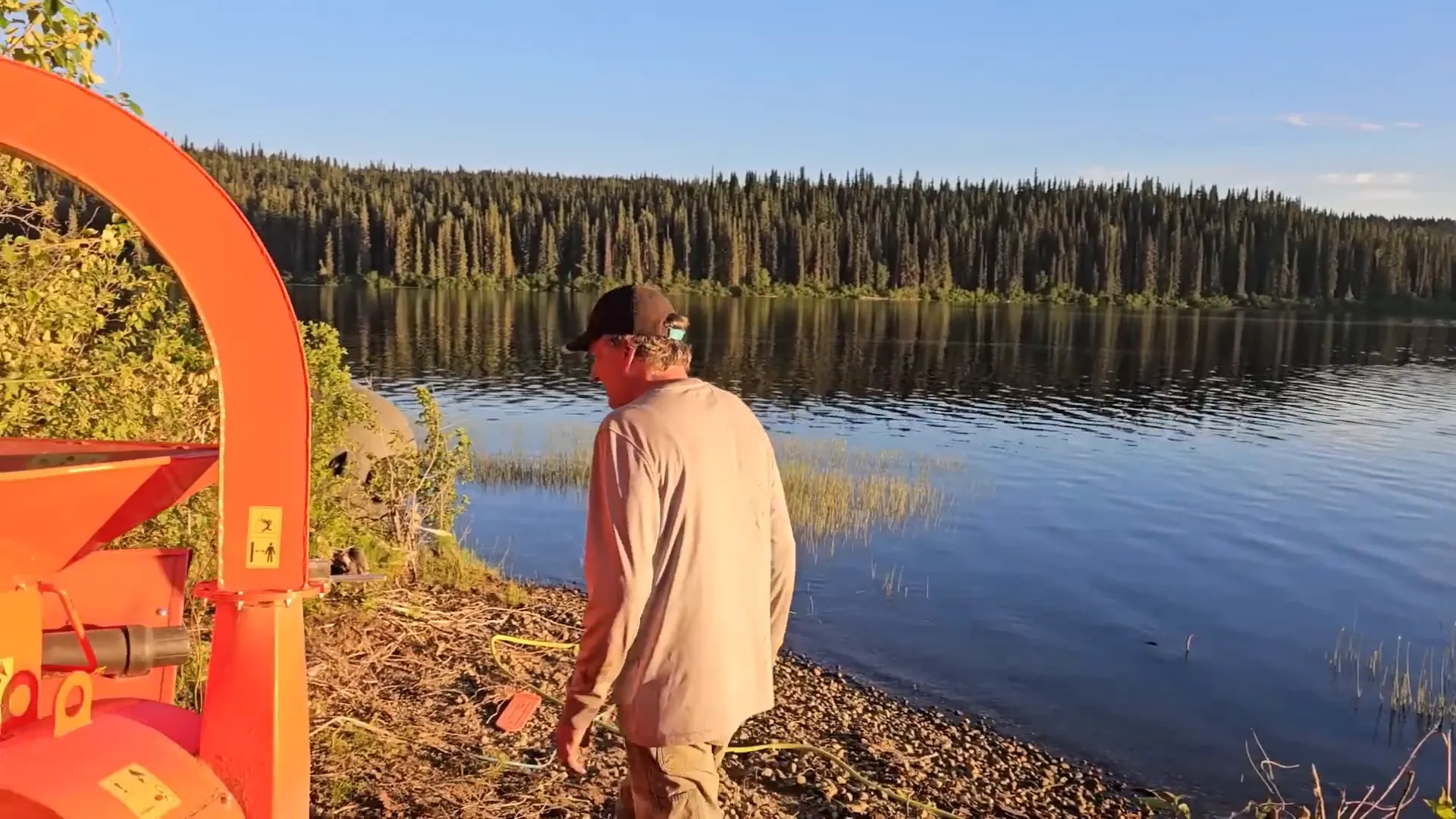
Creating this rustic trail reaffirmed why we do what we do: every hour spent shaping the island homestead adds up to a place our family can enjoy safely and comfortably. The path is practical, but it’s also a memory-maker—leading the kids down to the lake, hosting a small family stay in the new guest sheds, or sharing a quiet sunrise at the water’s edge.
Highlights and gear notes:
- Alvin (the chipper): Excellent for turning small branches into mulch. It pulverizes small stuff into dust and chips larger pieces up to a few inches across.
- Pepper (our Kubota): Essential for lifting and transporting heavy pieces, moving floor sections, and mass clearing.
- Maintenance: keep chainsaw teeth sharp and inspect for hidden metal in old homestead sites to avoid equipment damage.
The final trail keeps the island feeling wild while making it accessible. We built it step by step, and the result is a rustic, safe walkway that truly unlocks the lake view.
Gear & Resources Mentioned
Some of the things we referenced that might be useful on your own homestead: a wood chipper capable of handling 2–4″ material, a small tractor or compact loader for moving logs, quality chainsaw maintenance tools (files for the teeth), and durable leather gloves for handling rough material.
Social & Shopping Links
Find items and follow along with the project on our social pages and favorite gear lists: Facebook: https://www.facebook.com/mywildholm, Instagram, Pinterest, and our Amazon store for tools and supplies.
#RusticPath, #DIYRusticPath, #RusticTRail, #DIYRusticTrail, #WildernessTrail, #OffGridLandClearing, #HomesteadTrailBuilding, #ForestTrailClearing, #IslandLiving.