Building Our Remote Island Homestead — One Project at a Time
Life on a remote island homestead moves forward in small, physical ways. Some days that means planting food. Other days it’s checking on what survived the week, adjusting plans, or putting in another few hours on a project that won’t be finished anytime soon. That’s how this place is taking shape — through steady, ordinary work.
Table of Contents
- Planting Our First Strawberry Patch
- Excavating the Underground Battery Bunker — offgridlife & offgridliving
- Laundry Lines, Garden Protection, and Daily Systems — livingoffthegrid & mosquitomagnet
- Working at Height — Scaffolding, Wiring, and Trim for tinycabin & cabinlife
- A Quiet Evening on the Island — selfreliance & remoteislandhomestead
Planting Our First Strawberry Patch
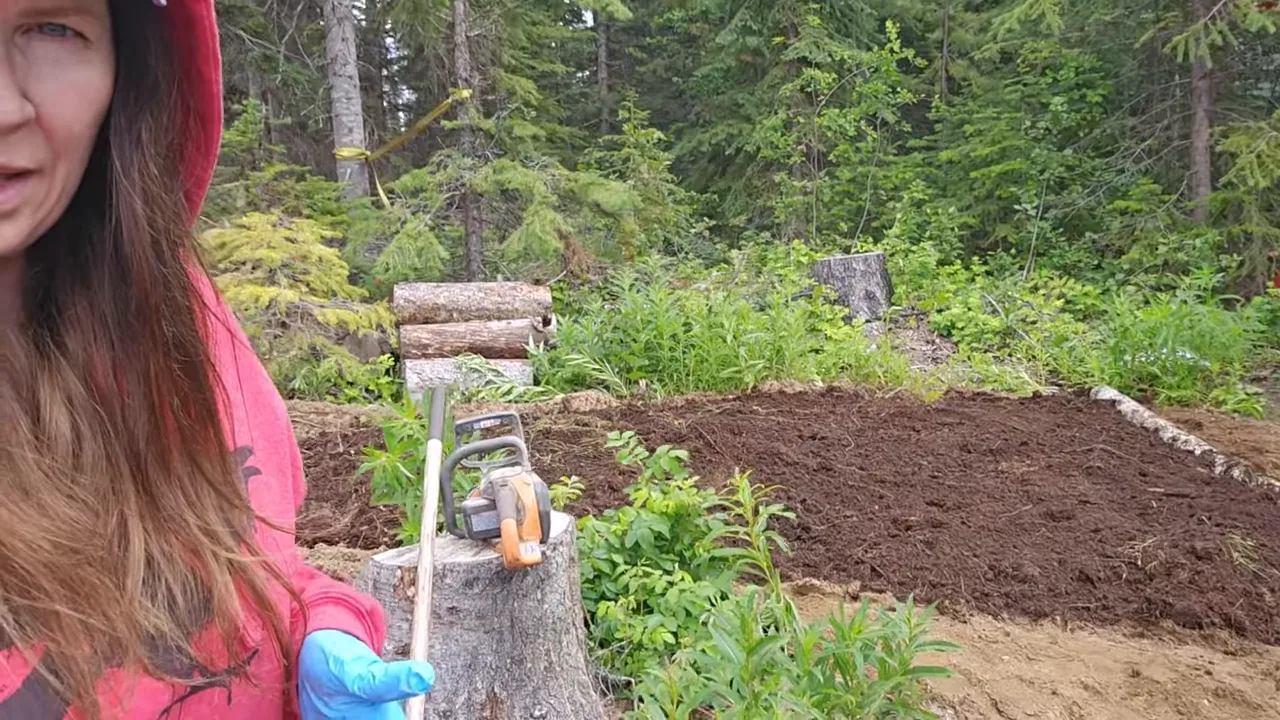
We settled on Seascape strawberries for this bed because they are day-neutral and cold-hardy—perfect for short growing seasons and unpredictable weather on our island. After we dug a little fertile patch near the greenhouse, we laid logs as edging to protect the bed and keep foot traffic away. Planting was straightforward: a hole, a bit of bone meal, careful placement so roots aren’t curled, and a good drink of water to settle everything in.
Strawberries need consistent moisture at the start, especially in exposed sites with wind off the lake. We terraced the area a little to give the bed structure and help with drainage, and left room for expansion so we can add runners or fresh plants next season. If these plants make it through the mosquitoes and the island sun, they’ll earn their stripes.
Excavating the Underground Battery Bunker — offgridlife & offgridliving
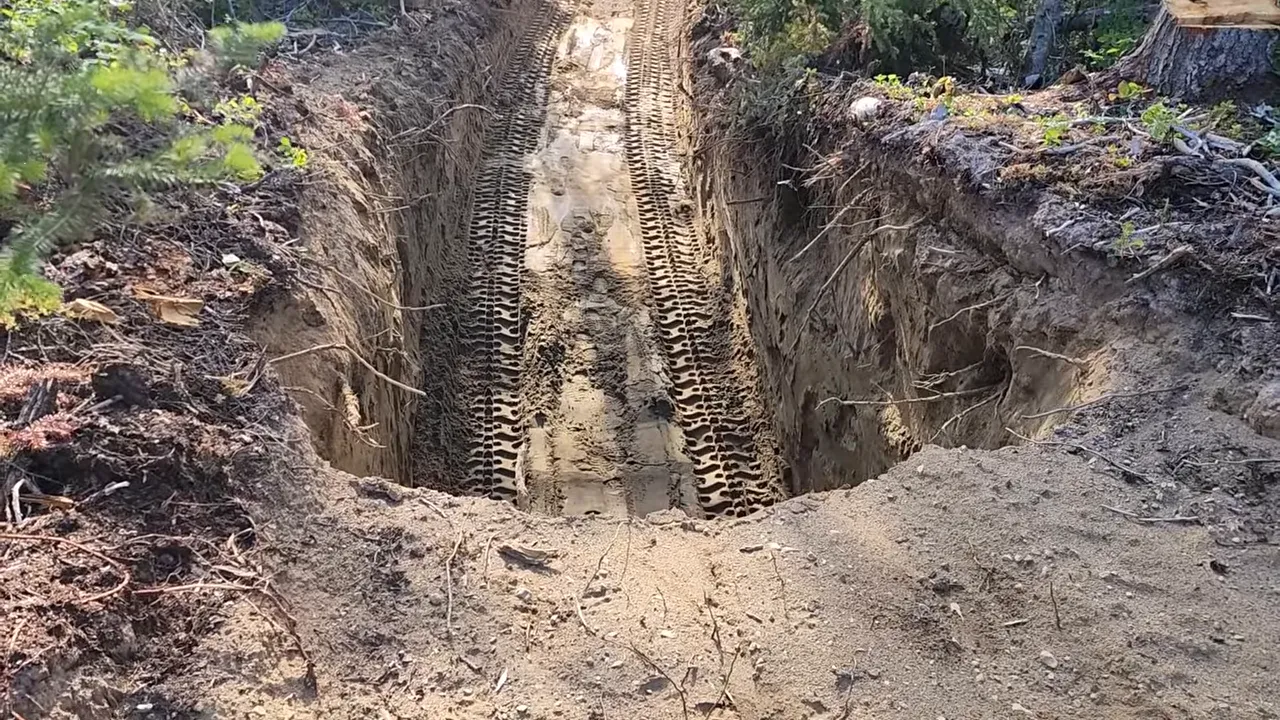
With the access road cut in, excavation for our buried battery bunker began. The bunker will be about 120 square feet and almost completely underground except for the front door. We expect to remove roughly 185 cubic yards of material to set the structure into the hill—thankfully using equipment for most of the heavy lifting.
We’re designing the bunker as an inverter and battery room, with a frost-protected storage area for items we don’t want to freeze. Building a sheltered battery bunker is a practical step for reliable offgridlife energy storage and long-term maintenance of our power systems.
Laundry Lines, Garden Protection, and Daily Systems — livingoffthegrid & mosquitomagnet
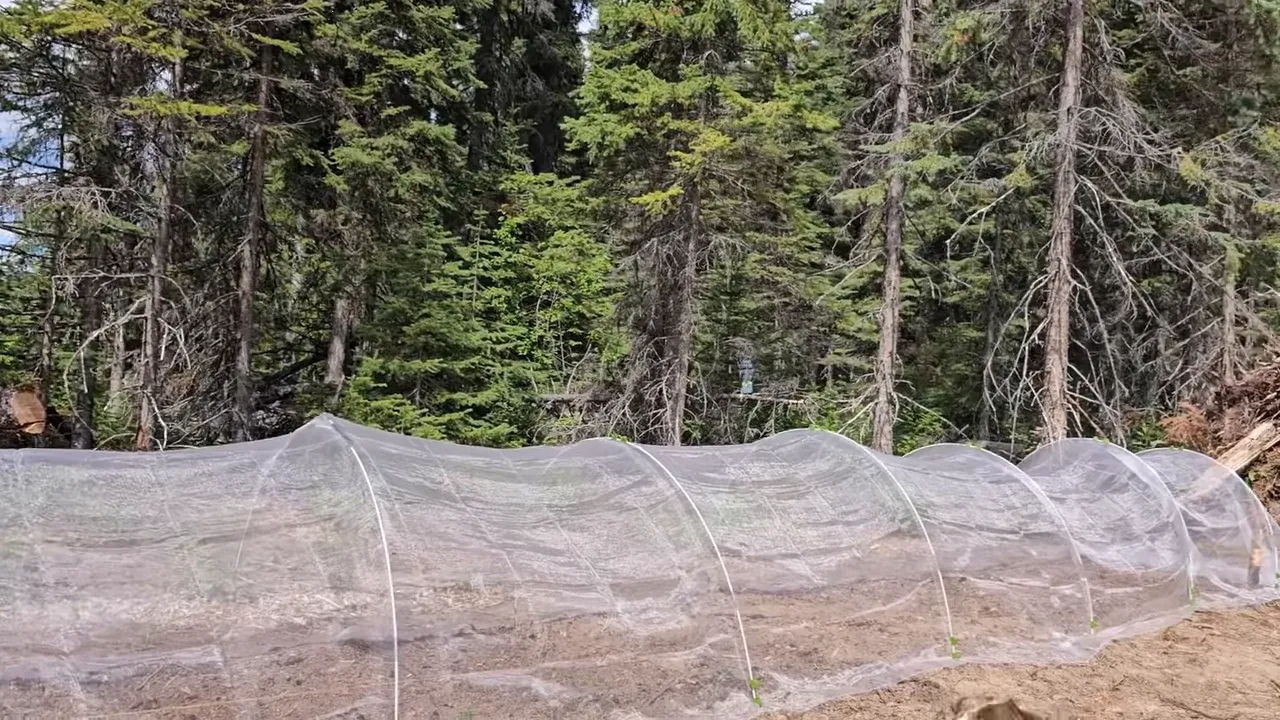
Small systems add up. We picked a windswept spot for a clothesline where the breeze will help dry linens and reduce mosquito annoyance. Nearby, we assembled hoops and netting for the vegetable beds to protect potatoes, cabbage, and our berry patch from birds and insects. Nets fell apart once, so we reinforced connections before hauling them to the garden.
We’re experimenting with what thrives in the ground here: potatoes are up and need hilling, and we’ve planted spinach, celery, kale, Brussels sprouts, and beets. One pumpkin plant is an experiment for fun. Deep watering happens roughly once a week, and when we notice mold or mildew on a plant, vinegar has been our preferred, low-impact treatment.
Working at Height — Scaffolding, Wiring, and Trim for tinycabin & cabinlife
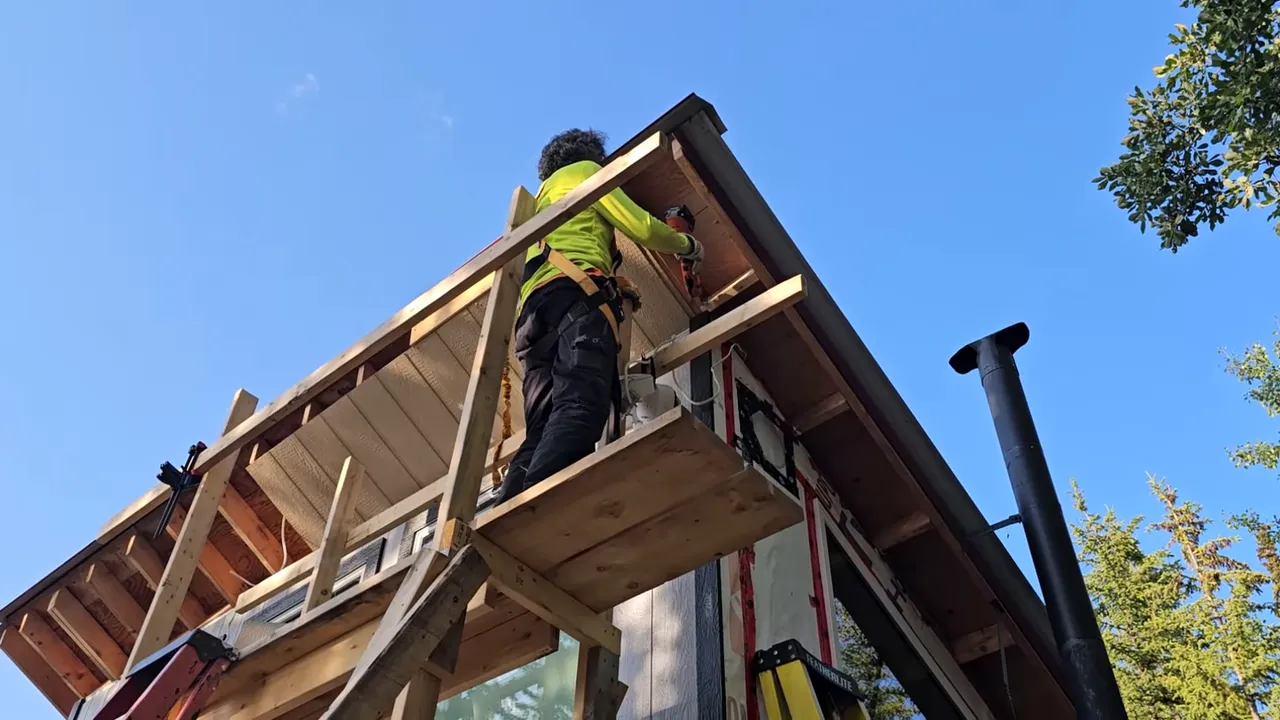
Rough exterior work moved forward when we finally set up scaffolding. After a previous fall, working up high felt daunting, but a tied-in harness and solid platform made the difference. The scaffolding let us wire soffits, run lighting circuits for directional puck lights, and install inside molding and trim with better accuracy.
We used construction screws to anchor outriggers into solid joists, and 16-gauge nails where finish stability mattered. The approach is methodical: job one, tie off; job two, fasten; job three, check alignment. Small details like a drip edge on the soffit and a single black trim band at the top give the cabin a finished look while keeping the overall palette simple and modern.
A Quiet Evening on the Island — selfreliance & remoteislandhomestead
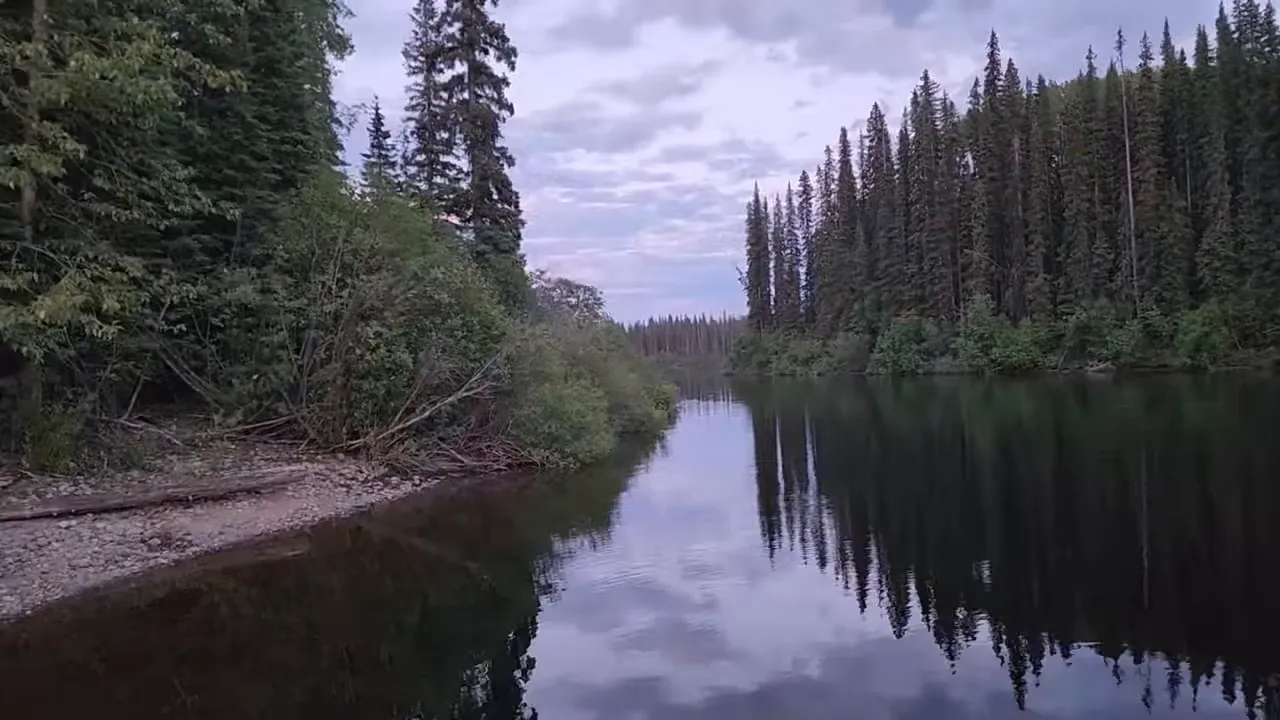
After a week of steady work the island felt different: quieter in a good way. We powered down for the night, fished off the barge, and simply took stock. These routines—plant, protect, wire, and shelter—are the daily acts that build capability over time.
We keep a small security camera pointed at key systems and still need to label the breakers, but the changes are visible. The lake is lowering and revealing beach where the water once met the bank, the greenhouse plants keep growing, and the bunker excavation continues to take shape. It’s a combination of practical systems and small joys: strawberries planted, a clothesline in the wind, and a lighted cabin that we can trust.
Practical takeaways for anyone thinking about living off the grid
- Plan systems around seasonality: choose cold-hardy varieties like Seascape strawberries and protect garden beds with hoops and netting.
- Prioritize energy shelter: burying inverters and batteries helps maintain efficiency and lifespan in cold climates.
- Invest in safe access for height work: proper scaffolding and fall protection reduce fear and increase productivity.
- Start small and iterate: one strawberry bed, one clothesline, and one buried room at a time builds resilience and selfreliance.
Where we shop and stay connected
We’ve gathered gear and inspiration from several places. Our favorite tools and gear are listed on our shopping page and Amazon store. You can find tools, recommended gear, and small comforts like fans and mosquito magnets that make life on the island easier. We also share photos and updates on Facebook and Instagram.
- Shopping: https://mywildholm.com/favorite-things/
- Amazon Store: https://amzn.to/4rE3ER3
- Social: Facebook: https://www.facebook.com/mywildholm
- Instagram: https://www.instagram.com/mywildholm
Keywords: remoteislandhomestead, offgridlife, offgridliving, offgridlivingcanada, livingoffthegrid, tinycabin, cabinlife, selfreliance, mosquitomagnet
Tags: #remoteislandhomestead #offgridlife #offgridliving #offgridlivingcanada #livingoffthegrid #tinycabin #cabinlife #selfreliance #mosquitomagnet