Life On Our Off Grid Island | Catch and Cook Lake Trout
Life on our Off Grid Island doesn’t always look dramatic. Some days it’s finishing trim, adjusting scaffolding, tending the greenhouse, and making small decisions that protect this land long-term. And some evenings… it’s catching the biggest lake trout of the season and cooking it fresh for dinner.
Table of Contents
- Buying a Remote Wilderness Island
- Custom Cabin Scaffolding for Safety — a practical look at CabinLife
- Greenhouse Update on the Island — growing food in an off grid homestead
- Gray Water and Protecting the Lake — responsible LivingOffTheGrid
- Finishing Details on the Cabin — trim, paint, and lasting CabinLife
- Big Lake Trout Hooked — an unexpected highlight for off grid living
- Catch and Cook Lake Trout — pan-fried over an open flame
- What we learned and what we recommend for remote homesteads
Buying a Remote Wilderness Island
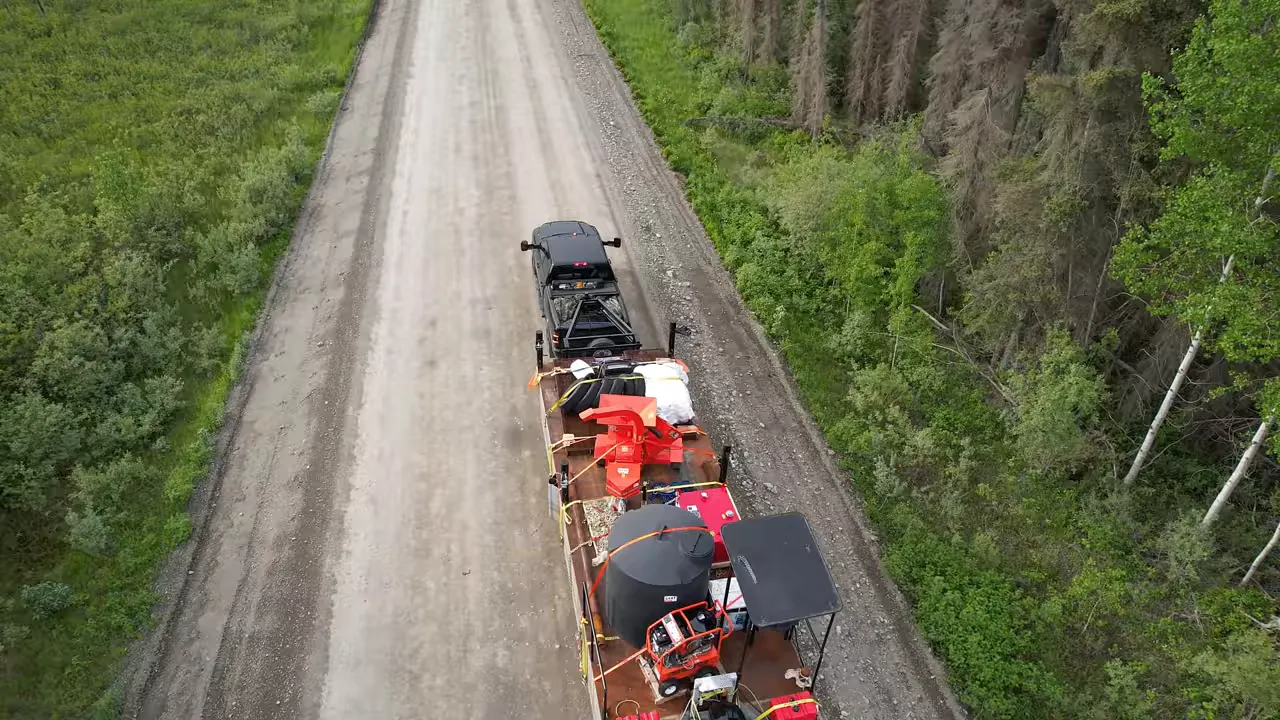
We bought a remote slice of wilderness sight unseen on a lake in British Columbia and crossed the country to pick up an old barge. That leap set the tone for everything that followed: small, practical decisions stacked over time to build a functioning homestead where nature dictates the pace.
From day one we’ve leaned into learning by doing. The choice to live on an OffGridIsland means we design solutions around uneven ground, limited access to materials, and a deep desire to protect the lake that surrounds us.
Custom Cabin Scaffolding for Safety — a practical look at CabinLife
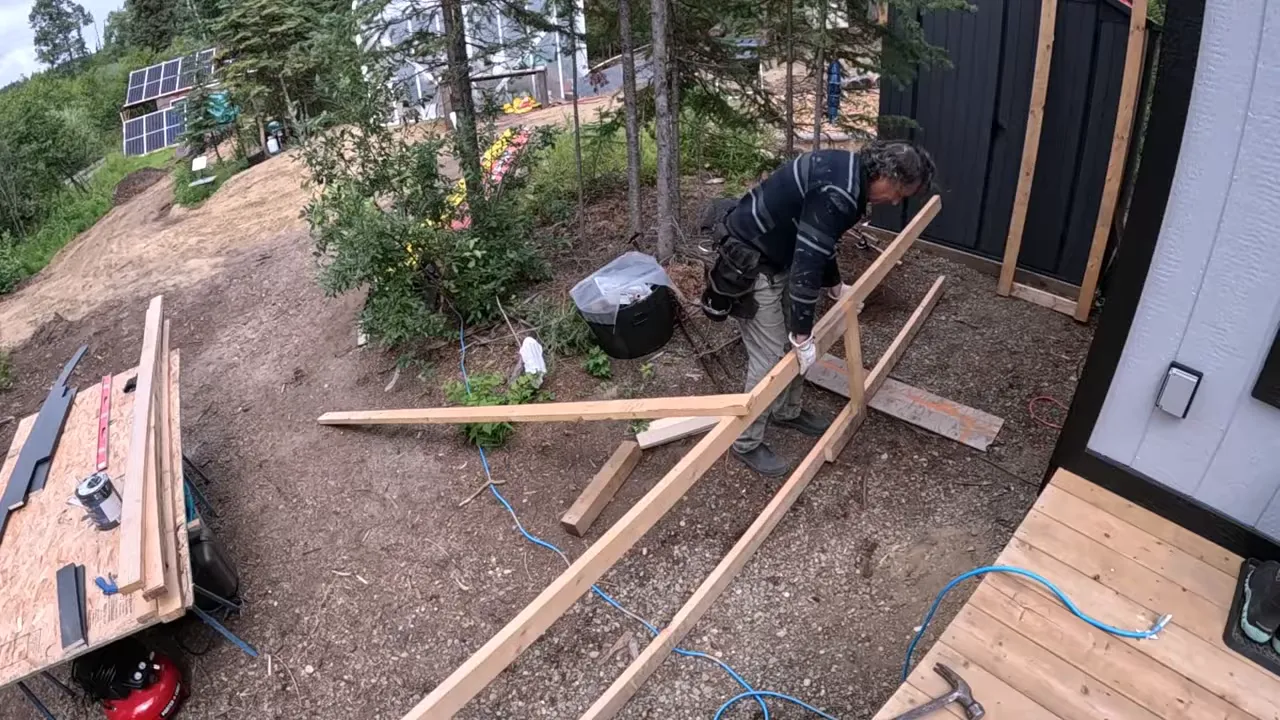
Uneven terrain made commercial scaffolding unusable for our cabin work. We designed a custom scaffold with out-riggers that sits solidly on sloping ground and gives real peace of mind when we’re working at height. It takes effort to build, but it beats the wobbly kits you see at big box stores and the high cost of rentals.
To stiffen the roof platforms we nailed 2×6 planks under the midline of twin 2×10 platforms. The result feels like walking on a sidewalk — no bounce, no drama. That sort of thoughtful fix is typical of life in a remote RemoteIslandHomestead, where a small improvement can change the whole day.
Greenhouse Update on the Island — growing food in an off grid homestead
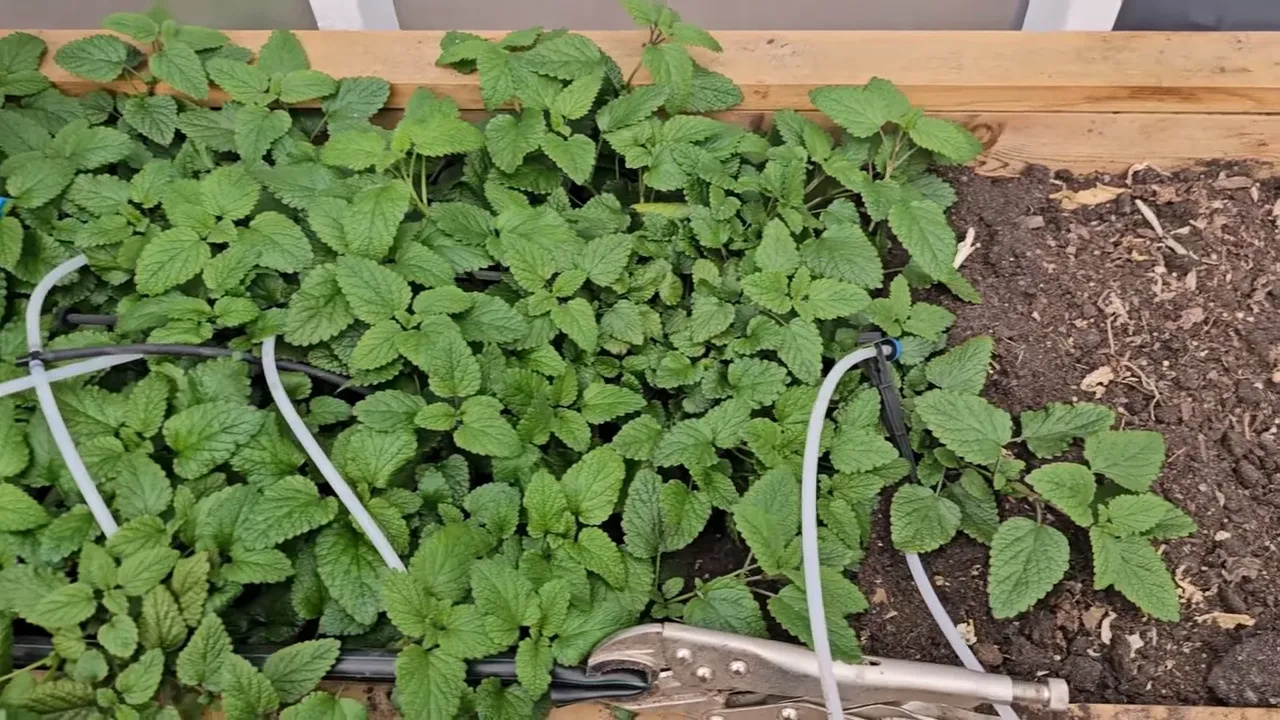
Our greenhouse is humming. Peppers are thicker than last year, tomatoes are climbing, peas are started, and onions are popping up. We planted some lemon balm and noticed an immediate drop in mosquito activity. The lemony scent is pleasant and the plant appears to act as a natural deterrent—helpful in an otherwise buggy season.
Strawberries we transplanted are sending out new leaves quickly, and the compost tumbler is finally getting sun. We’re mindful to keep compost smells away from main paths and to use ash in a small sediment filter for camp runoff. These small systems add up to a resilient, low-impact approach that matches our values of WildernessLiving and SelfReliance.
Gray Water and Protecting the Lake — responsible LivingOffTheGrid
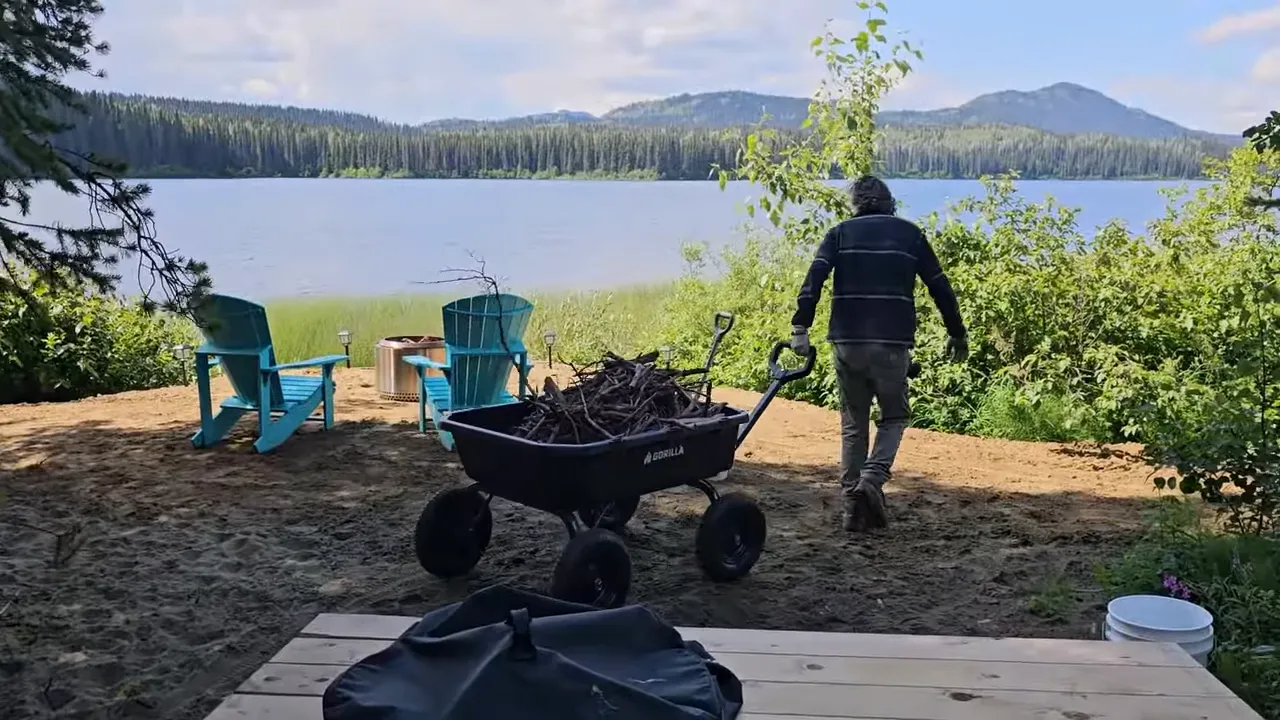
Protecting the lake is non-negotiable for us. We use an incinerator toilet to eliminate black water concerns, and we plan to treat gray water before it ever reaches the shoreline. Even biodegradable soaps are used cautiously, and we design wastewater handling so nothing harmful goes back into the lake.
These decisions are part of the practical ethic of OffGridLife: small systems, well thought out, that keep our biome healthy and let us enjoy the lake for years to come.
Finishing Details on the Cabin — trim, paint, and lasting CabinLife
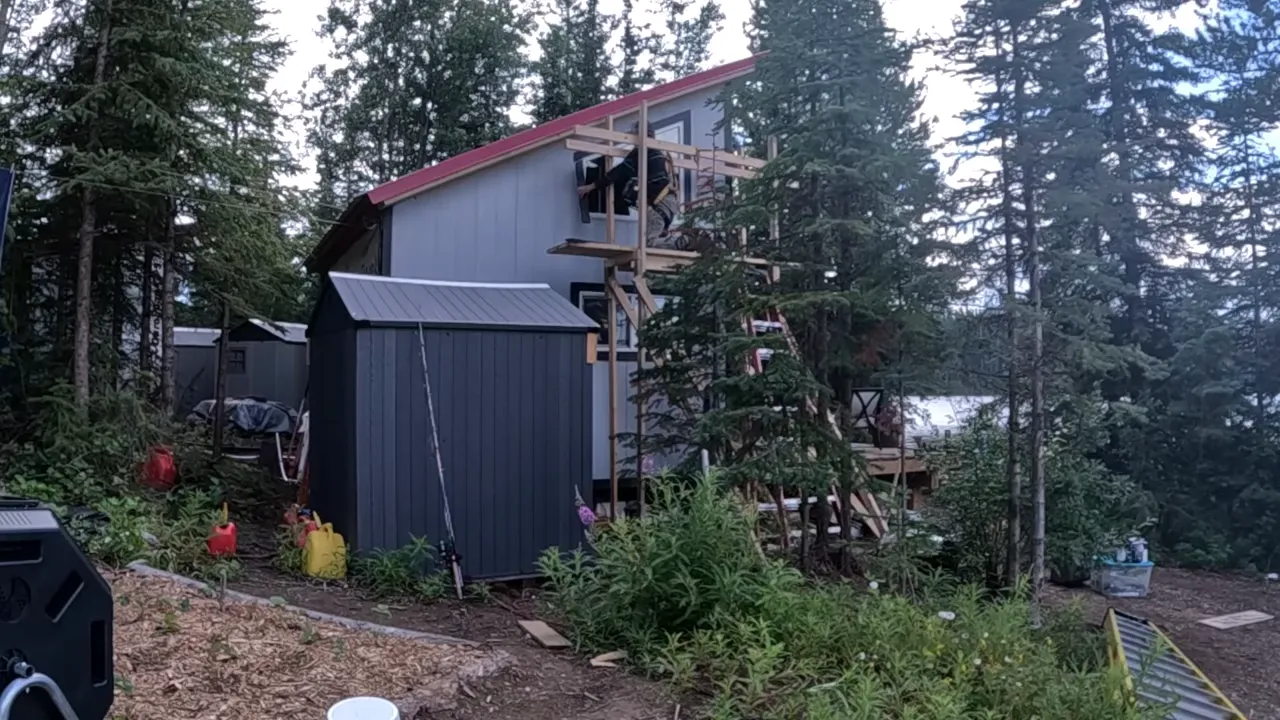
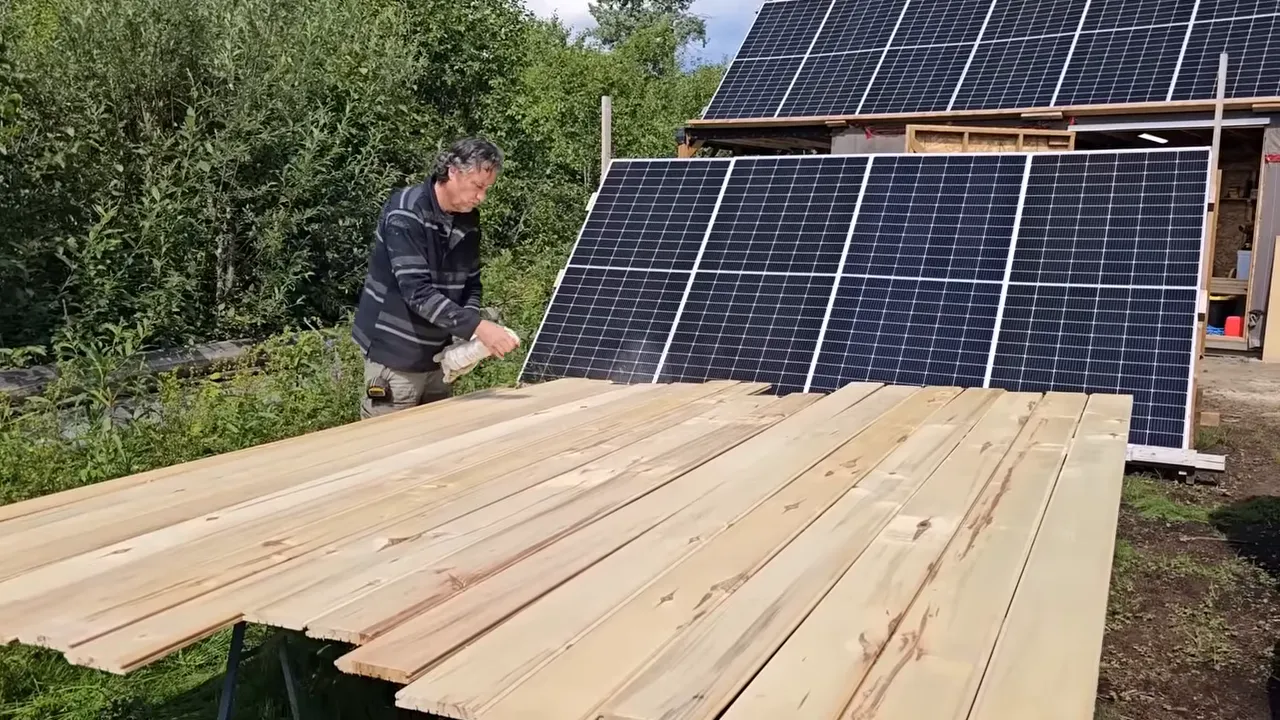
By the time the big structural work is done, the remaining tasks are less flashy but more important: final paint, trim, soffits, and sealing. We treated interior white poplar boards that had sat under a tarp through winter with vinegar and allowed them to fully dry in the sun to prevent mold reoccurrence. It takes extra time but avoids future headaches.
Those trapezoid windows that once felt like a bold idea now read as part of the house — a reminder that slow decisions become ordinary life when they withstand use and weather.
Big Lake Trout Hooked — an unexpected highlight for off grid living
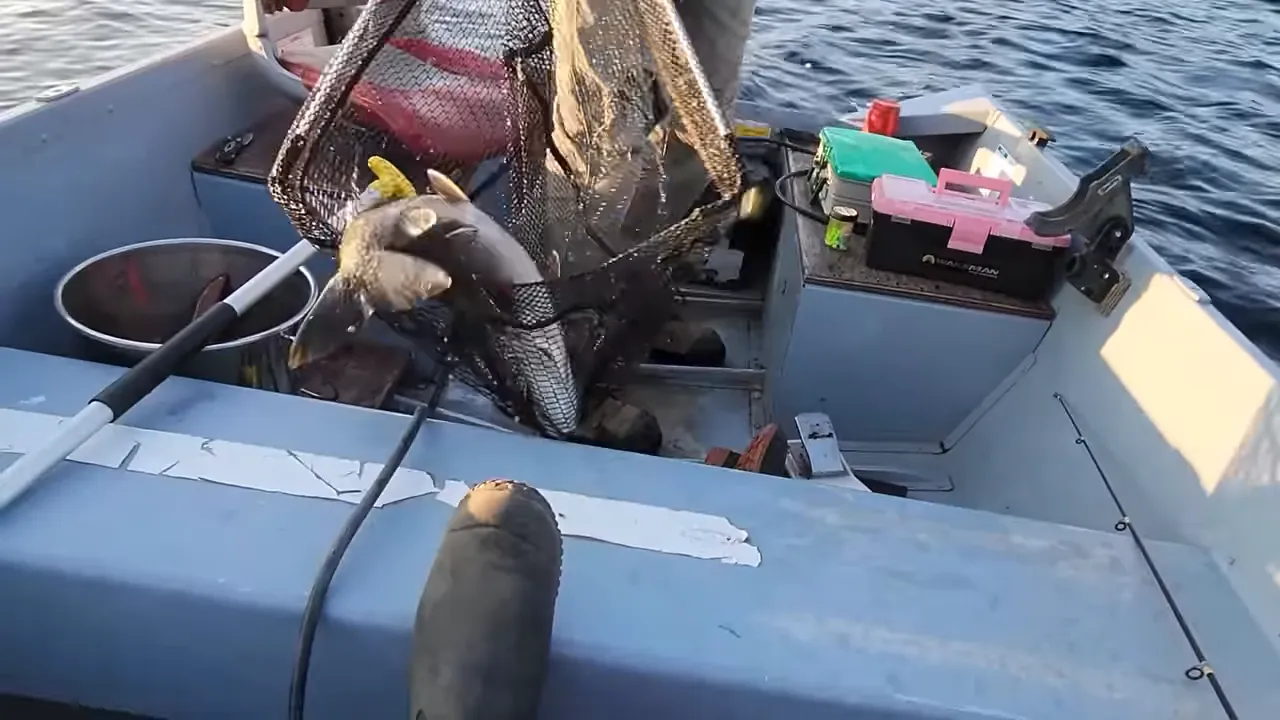
Some evenings are entirely practical and quiet. Others remind us why we moved here. We headed out hoping for a trout and came back with one of the biggest fish we’ve ever caught — a lake trout big enough to make the whole evening feel celebratory. The excitement — the struggle to land it, the slimy hands, the shared laughter — is part of what makes remote life so visceral.
Catching fish here is more than sport: it’s connection. It ties our food to place and lets us close the loop between harvesting and preparing a meal right where it was caught.
Catch and Cook Lake Trout — pan-fried over an open flame
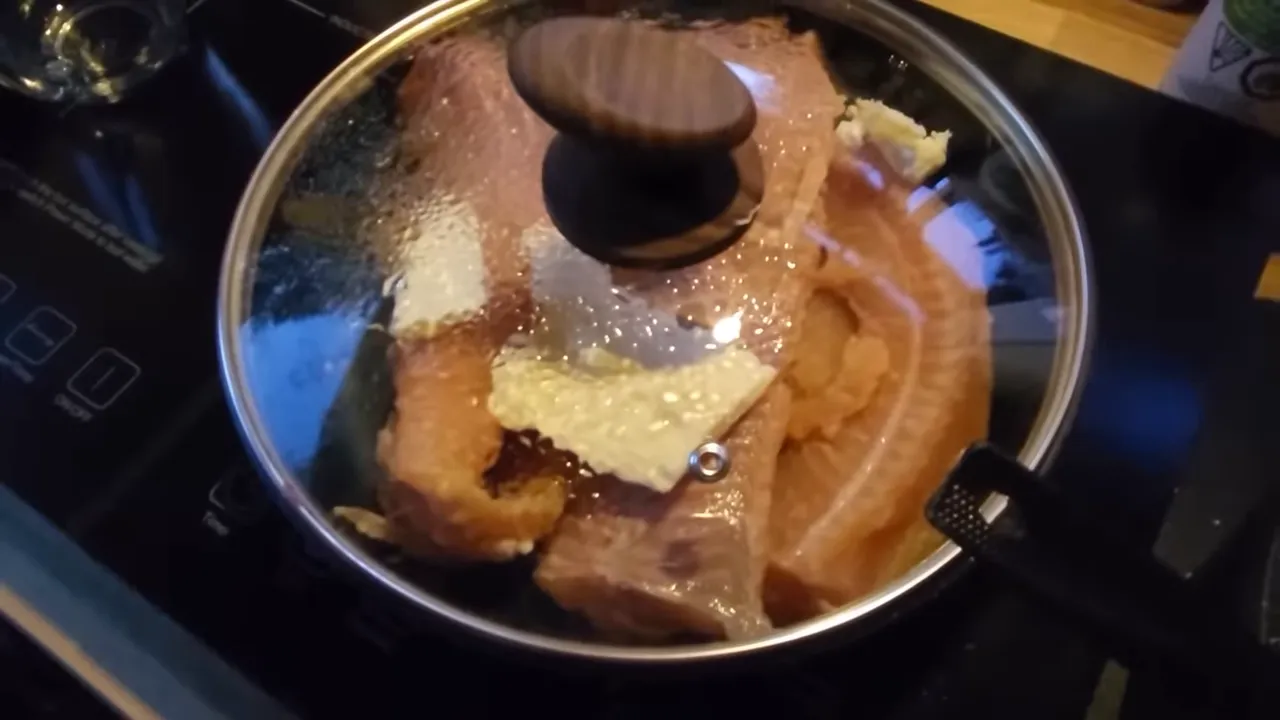
We like to pan-fry trout in butter with onions and a squeeze of lemon, cooked over an open flame or a propane stove outside. The method is simple, low-fuss, and delicious—perfect for a night when the work is done and the lake is calm. Fresh fish, rice, lemon; it’s comfort elevated by where we ate it.
These small rituals — a tidy work area, a warm fire in the solo stove, two worn chairs, and a meal shared at dusk — are what define our days. They may not be dramatic, but they’re profoundly sustaining.
What we learned and what we recommend for remote homesteads
Design for stability. Whether it’s scaffolding or roofing platforms, prioritize solutions that feel solid. Treat and dry stored lumber before finishing interior work to avoid mold. Consider incineration or sealed gray water systems to protect local waters. Plant companion herbs like lemon balm in the greenhouse to reduce pests naturally.
Finally, take time to enjoy the simple rewards: good food, a clean fire, and the quiet that comes with remote OffGridLivingCanada.
Quick practical checklist
- Custom scaffold with outriggers for slope work
- 2×6 midline stiffeners for platform stability
- Vinegar + sun-drying for mold prevention on stored lumber
- Incinerator toilet and a planned gray water treatment
- Plant lemon balm for greenhouse mosquito deterrence
- Keep compost and ash-managed filters away from main paths
Final thoughts
Our life here is a steady accumulation of small, considered choices. When those choices align with the land, the payoff is a kind of everyday magic: the lake stretching in every direction, a clean-burning fire, a finished cabin face, and a pan-fried trout on the table. That’s why we keep building, finishing, and refining — for the quiet, practical fulfillment of living close to the elements.
Keywords: OffGridIsland, OffGridLife, RemoteIslandHomestead, CatchAndCook, LakeTroutFishing, CabinLife, LivingOffTheGrid, OffGridLivingCanada, WildernessLiving, SelfReliance
Tags: #OffGridIsland #OffGridLife #RemoteIslandHomestead #CatchAndCook #LakeTroutFishing #CabinLife #LivingOffTheGrid #OffGridLivingCanada #WildernessLiving #SelfReliance