Off Grid Couple’s Island Build | The Excavation That Changed Everything
This video is being left online strictly as a documentary case study and safety warning. It shows earlier footage from our project before we fully understood the serious engineering risks involved in underground excavation. We now understand that underground construction and excavation require proper professional assessment, engineering guidance, permits, and compliant protective systems such as engineered shoring, sloping, benching, or shielding where required.
Table of Contents
- Steady work while we were apart
- Garden progress and growing lessons
- Traveling back with work boots
- Small systems that make off grid life easier
- Power, equipment, and shaping the site
- Coming home to visible progress
- The excavation that changed everything
- Evening routine and why we keep going
There are a few bunker episodes already filmed that still show that phase of the work. We’re about four months behind real time in production. What you’re seeing now was shot earlier in the season. Going forward, the excavation will be properly sloped, benched, or reinforced before I step back inside. Lesson learned.
Steady work while we were apart
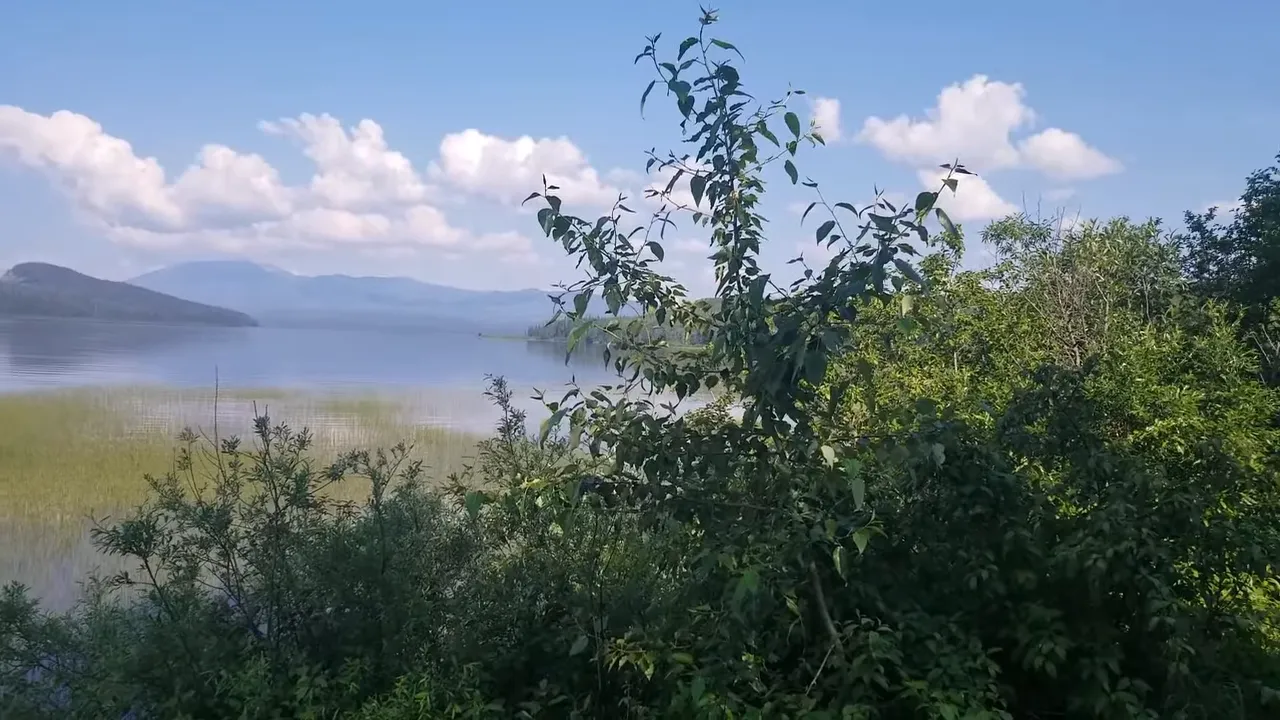
Some of the biggest shifts in Off Grid Life do not come from dramatic builds. They come from the little jobs that stack up day after day. While one of us was away, the island kept moving forward through those smaller tasks that rarely look flashy on their own but matter a lot once they are all added together.
That is the real rhythm of building a remote homestead. We do a bit of site work, a bit of organizing, a bit of garden care, and a bit of problem solving. None of it feels huge in the moment. Then we stop, look around, and realize the place is slowly becoming more livable, more functional, and more like home.
Garden progress and growing lessons
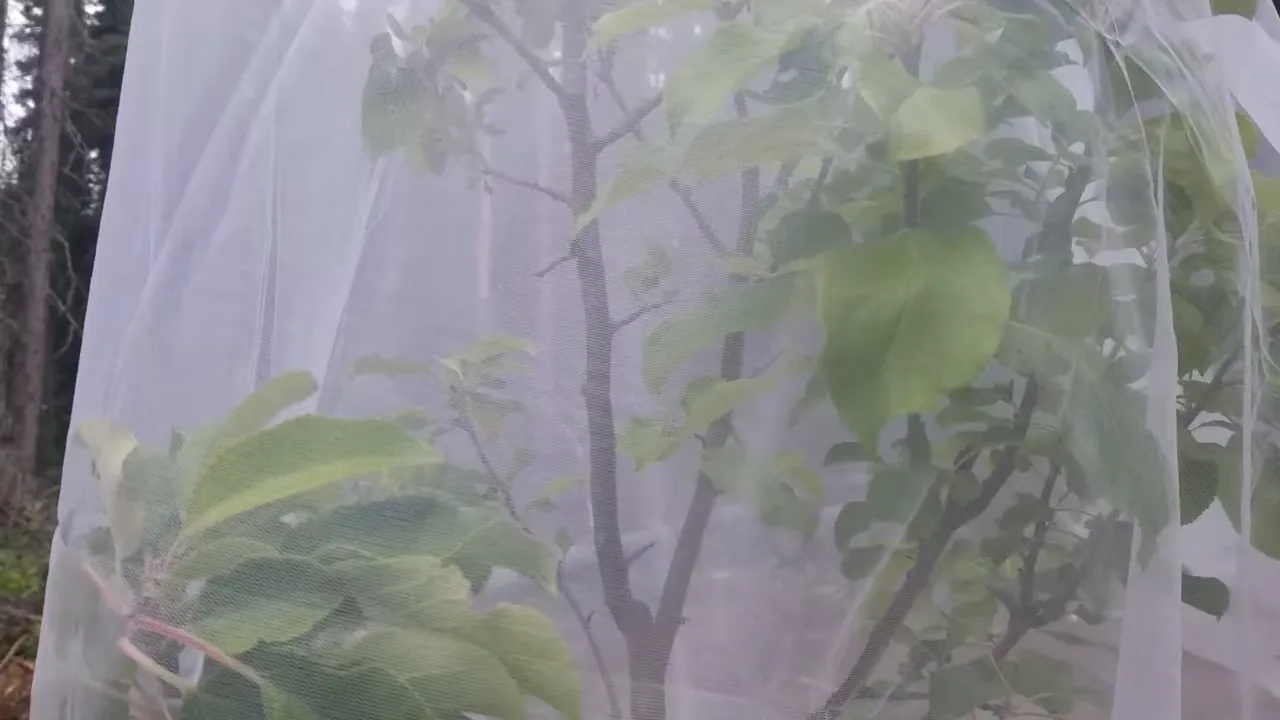
The garden gave us a mixed report, which honestly is normal when we are still learning what works in this climate. Some of the little plums had already dropped off, and the trees looked more bare than we had hoped. The apple trees were even more disappointing, with no apples to speak of. That led us to question whether the netting we had tried was actually helping or whether it was creating more problems than it solved.
That kind of learning curve is part of homesteading canada. We are working with new ground, a short growing season, and lots of unknowns. Some experiments pay off right away, and some simply teach us what to adjust next year.
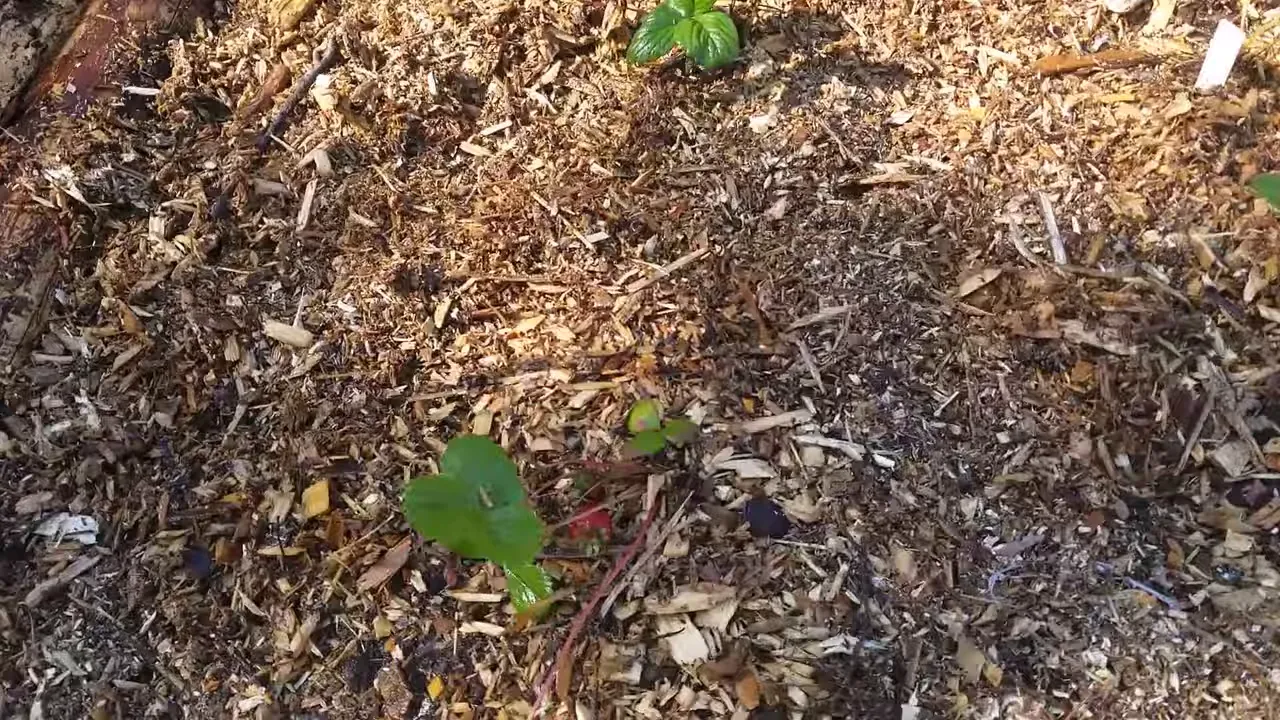
Not everything was a setback. The potatoes were coming along, the grapes looked healthy, and the raspberries were doing well too. A newly built strawberry bed showed real promise. The wood chips and location seemed to suit the plants, and even the first small berries felt like a good sign for what the patch could become.
Those wins matter. Fresh strawberries on a hot summer day are not just a snack out here. They are proof that amended soil, patient planting, and steady care are beginning to work. That is how Off Grid Life grows into something solid, one bed and one season at a time.
Traveling back with work boots
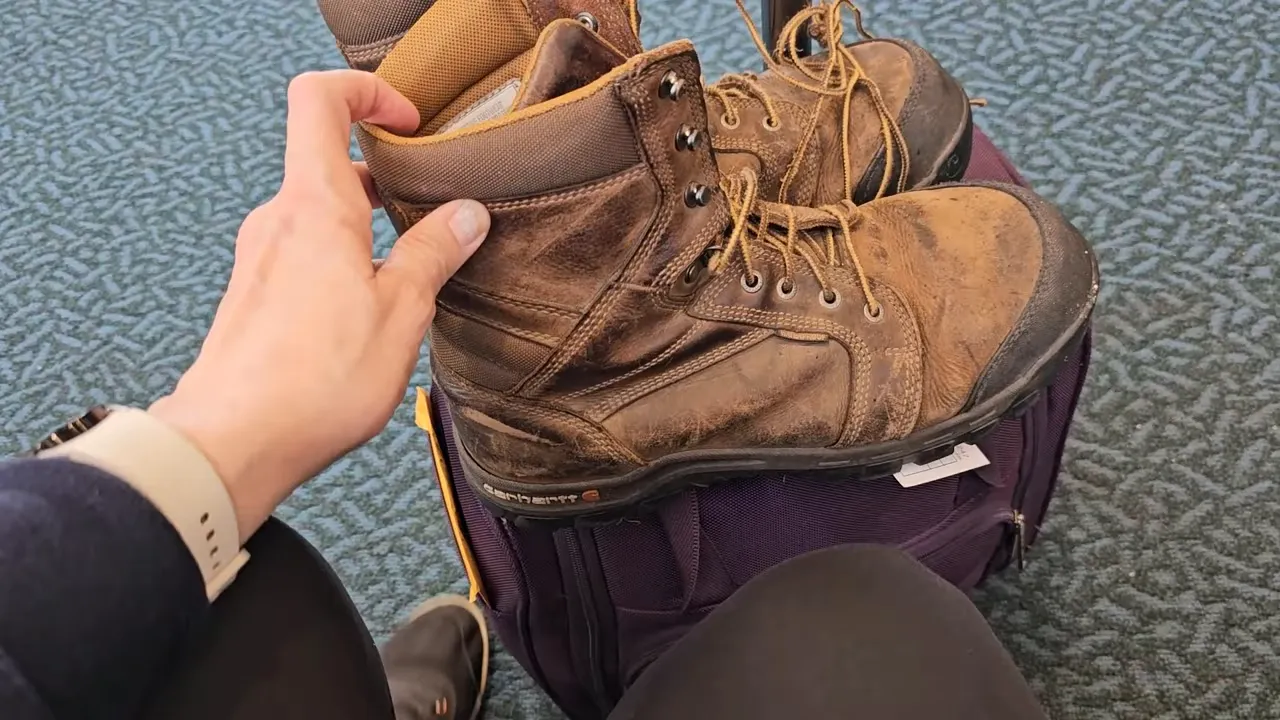
Getting back to the island turned into its own little puzzle. The problem was simple enough on paper: one personal item allowed, but a pair of heavy work boots also had to make the flight because they were needed back on the island. Simple problems have a way of becoming less simple once airline rules get involved.
There was some uncertainty at the counter, some back and forth, and a moment where it looked like even the bag itself might draw attention. For a while, wearing the boots onto the plane felt like a very real possibility.
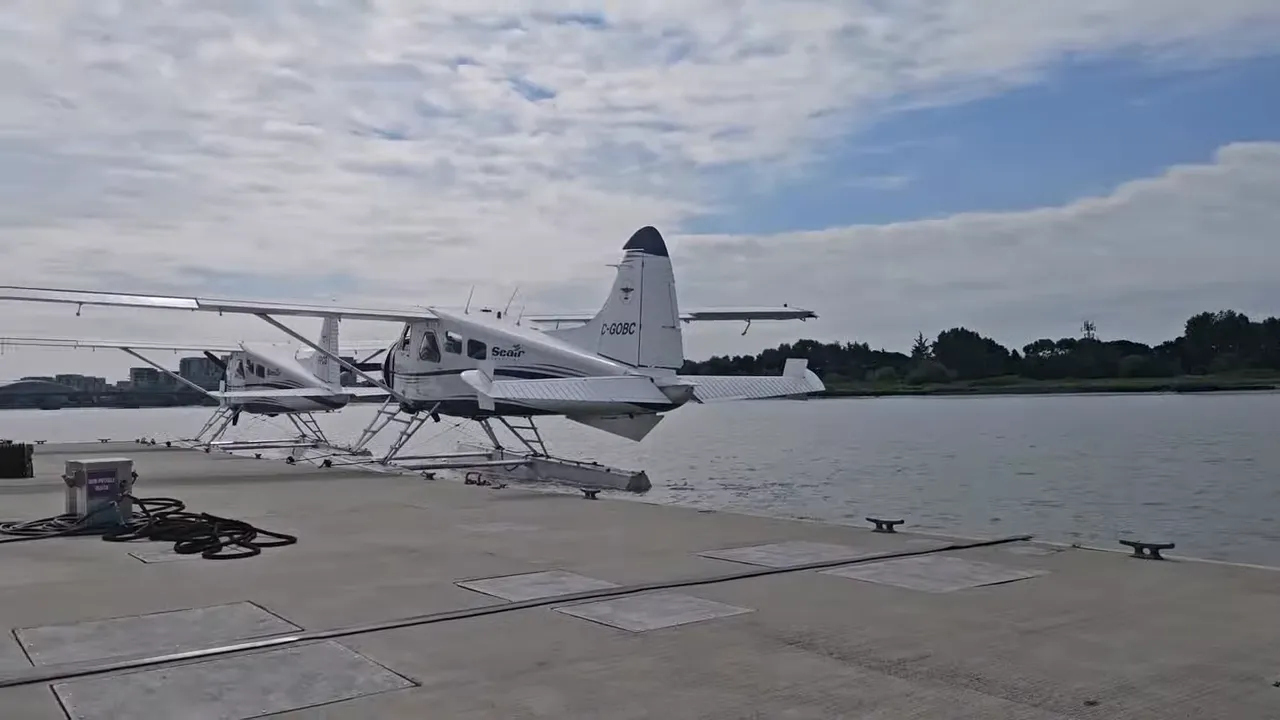
In the end, the boots made it through without having to be worn, which felt like a minor miracle and a very welcome one. When you live remotely, even something as basic as transporting footwear can turn into a whole operation. That is part of remoteislandliving. Supplies, gear, and timing all matter, and getting one thing wrong can ripple into the next day’s work.
Small systems that make off grid life easier
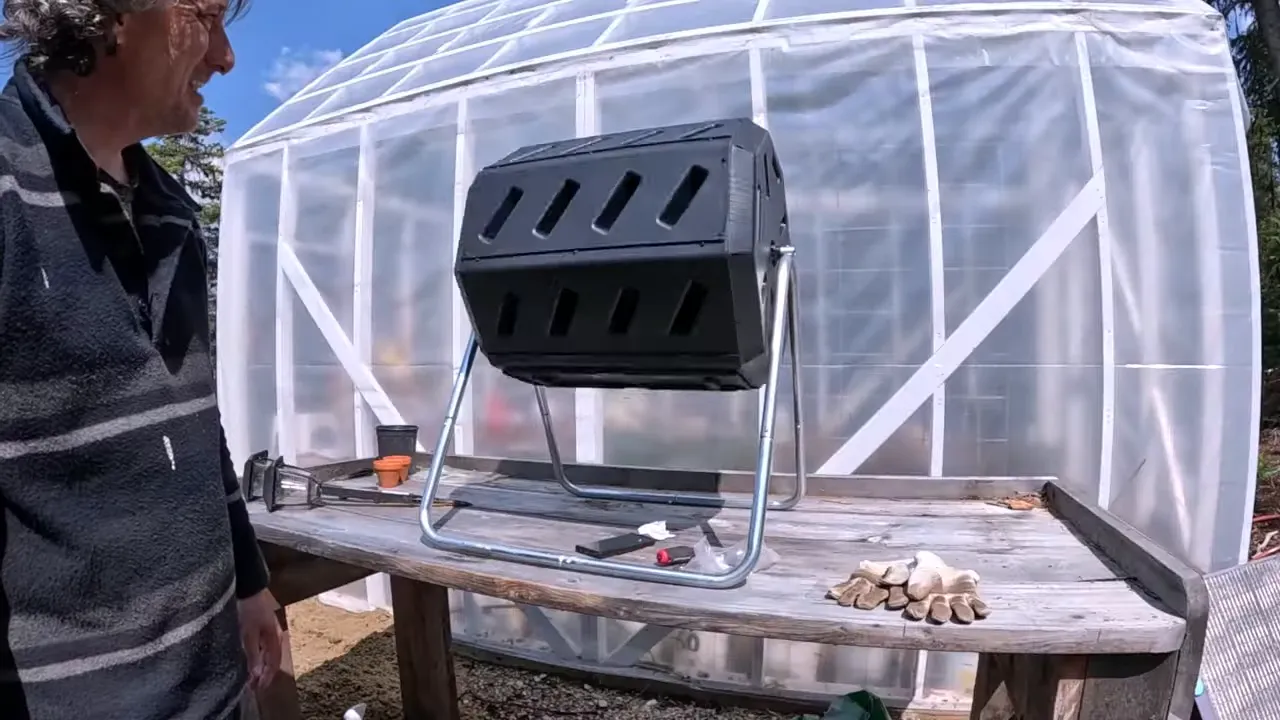
One of the practical upgrades we added was a small compost tumbler. The goal was straightforward: start making nutrient rich material that can help improve our growing soil. We know a larger multi-bay setup will make sense eventually, but we are not there yet. For now, the tumbler gives us a manageable first step.
That is really how we approach a lot of things here. We do not arrive with every answer. We build a basic system, learn from it, and let the next version be better. Composting is no different. This little unit may be small, but it starts teaching us what inputs, moisture, and location will work best on the island.
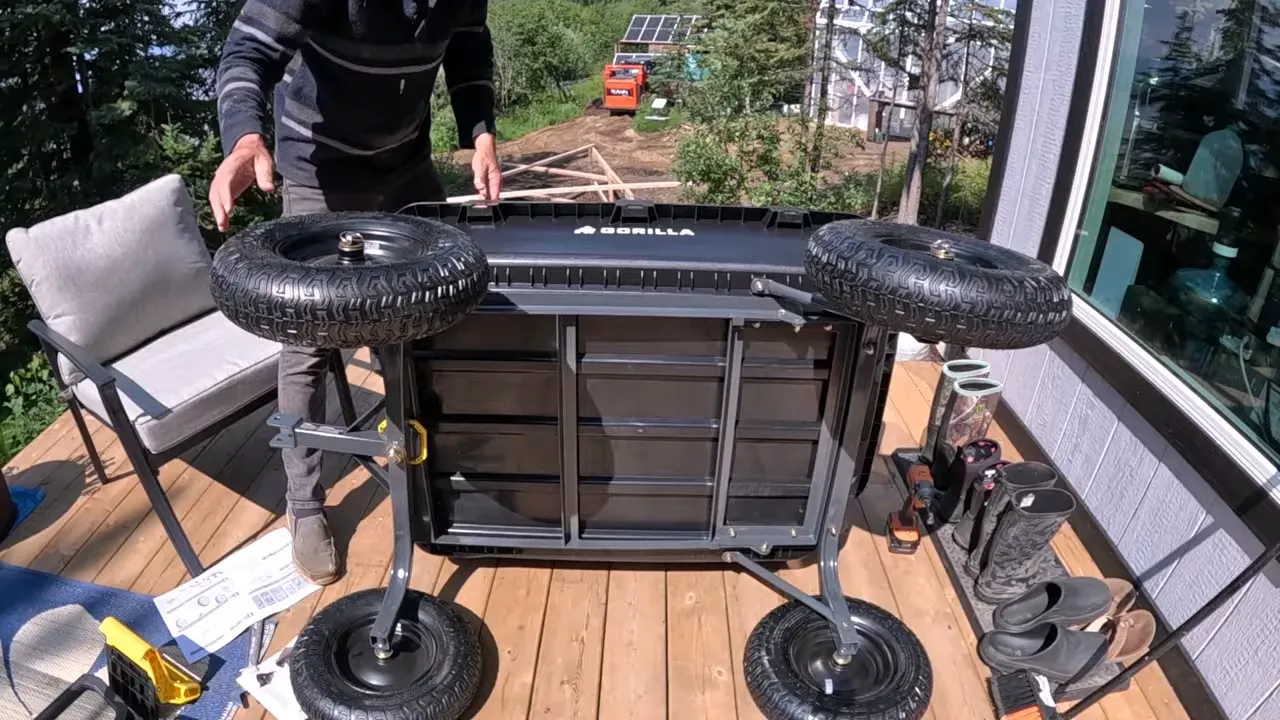
Another major improvement was a heavy duty Gorilla dump cart. On uneven ground like ours, moving heavy materials by hand gets old fast. Firewood, lumber, batteries, soil, and building supplies all need to go somewhere, and every trip takes time and energy. The cart was rated for a very high load capacity and had large tires that looked far better suited to rough terrain than a standard garden cart.
The added bonus was the handle design that can also work as a tow bar for an ATV later on. Even without an ATV right now, this will become part of daily life. Anything that reduces strain and helps us move more efficiently makes a real difference in selfreliance. For some of the gear and tools we rely on around the property, we keep a running list on our favorite products page.
Power, equipment, and shaping the site
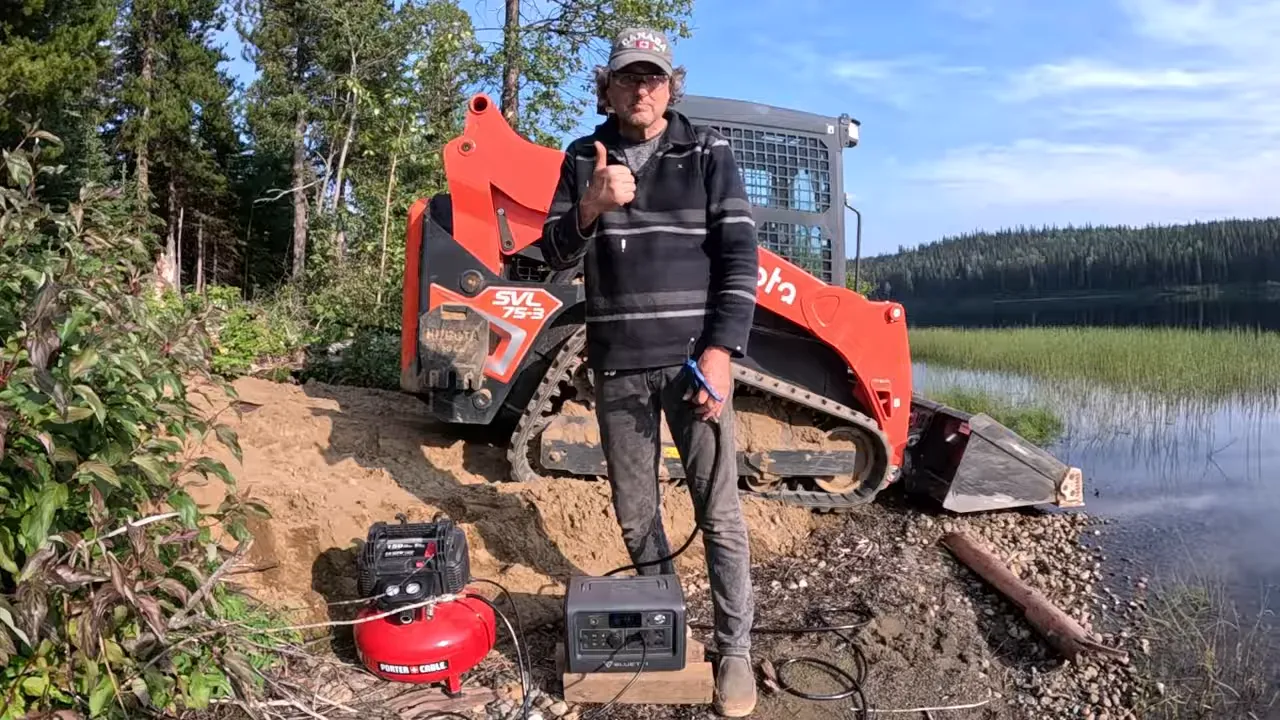
Portable power has become one of those things we appreciate more every season. Being able to bring 120 volt power right where we need it opens up a lot of possibilities. In this case, it helped with cleanup around the compact track loader after a lot of work in sand. First came compressed air to clear sand away from more delicate areas, then water for the undercarriage.
That kind of flexibility is a big piece of offgridsolar. We are not tied to a conventional setup every time a tool or a machine needs attention. We can take power to the work instead of dragging the work back to the power.
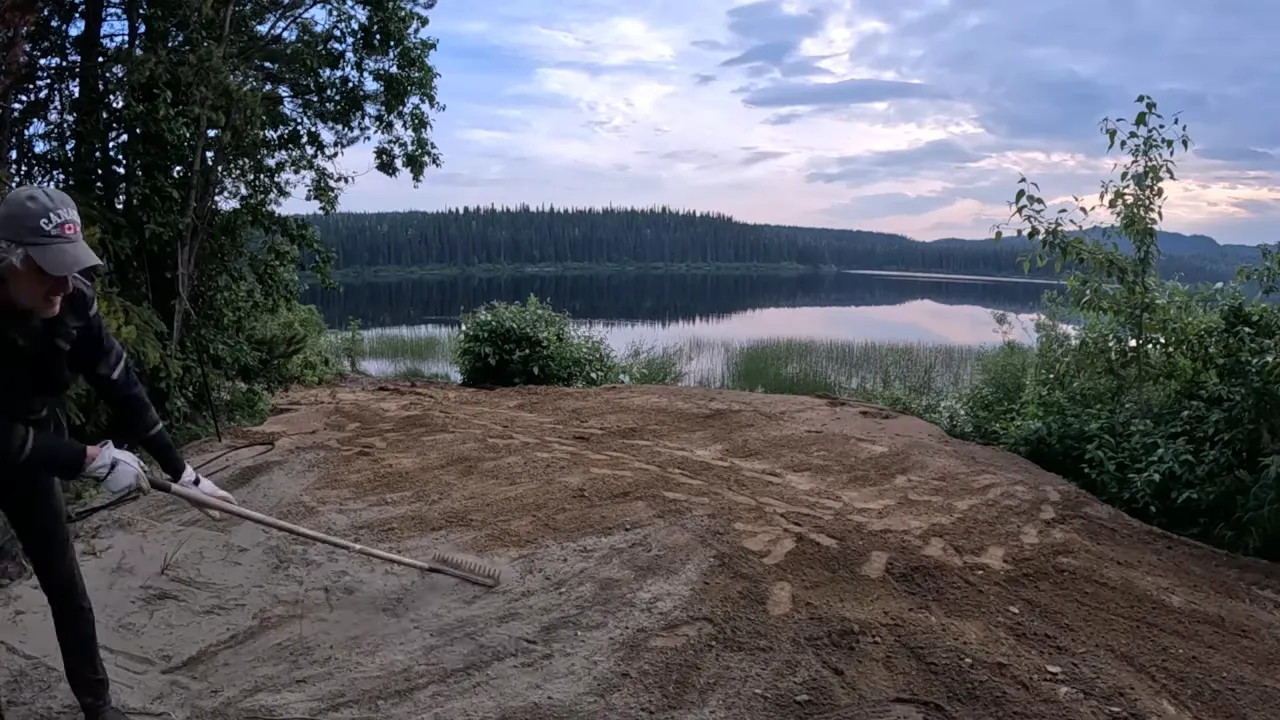
There was also some site restoration to tackle. A winter storm had torn into the fire pit area and pulled sand toward the lake, leaving one of our favorite gathering spots looking rough. Rebuilding and leveling that space was practical, but it was also personal. We wanted it ready and looking good for the return home.
That area matters because it is where we slow down, sit together, and enjoy the place we have been working so hard to shape. In a real sense, these are the spaces that define Off Grid Life just as much as the bigger builds do.
Coming home to visible progress
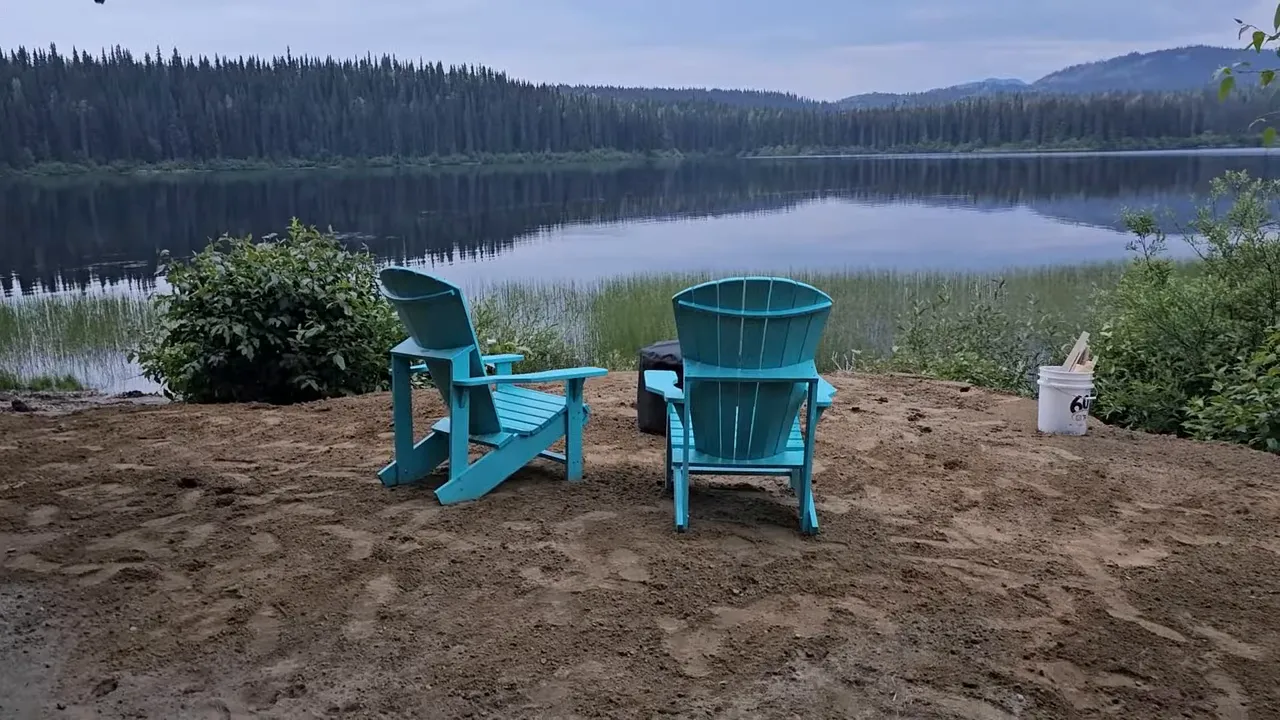
Arriving back at the island always brings that first sweep of what has changed. The truck and barge unloading still required care because of the steep setup, but once the truck was safely offloaded, the progress around the property was easy to see. The fire pit area looked refreshed, the cabin front looked more complete, and the whole place had a more finished feel than before.
The landscaping details stood out too. Lavender, the shaped sitting area, and the cleaned-up approach around the cabin all helped tie the site together. Even the scaffolding being gone from the deck made a noticeable difference. The visual clutter was reduced, and the cabin felt closer to its intended form.
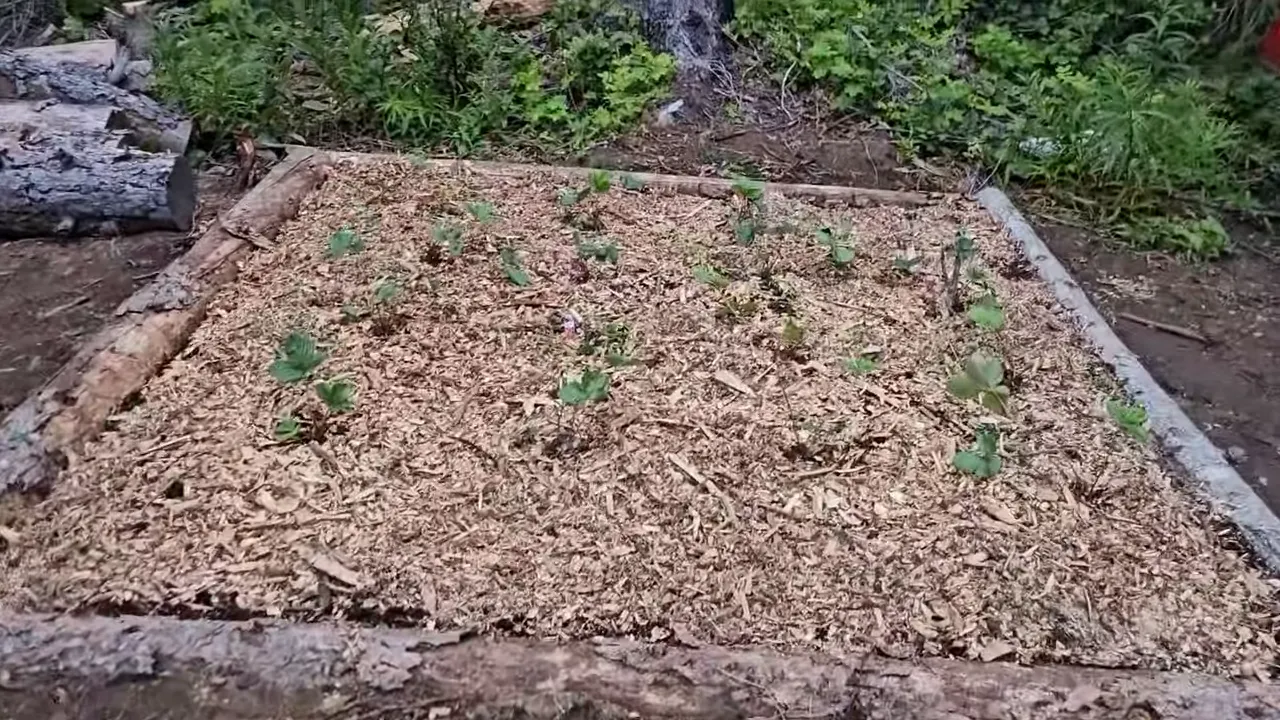
The strawberry bed inspection brought some realistic expectations. There was not a big crop yet, but that made sense because the plants were brand new. The important thing was that they were settling in, with a few berries showing and the crowns needing proper exposure. We could already picture what the bed might look like next season once the roots were established.
Seeing the composter and the dump cart in place made it even clearer that the island is filling in with systems, not just projects. Each addition supports another. Better soil supports the garden. Better hauling supports the builds. Better site layout supports everyday living. That is what turns a remote property into a real remoteislandhomestead.
The excavation that changed everything
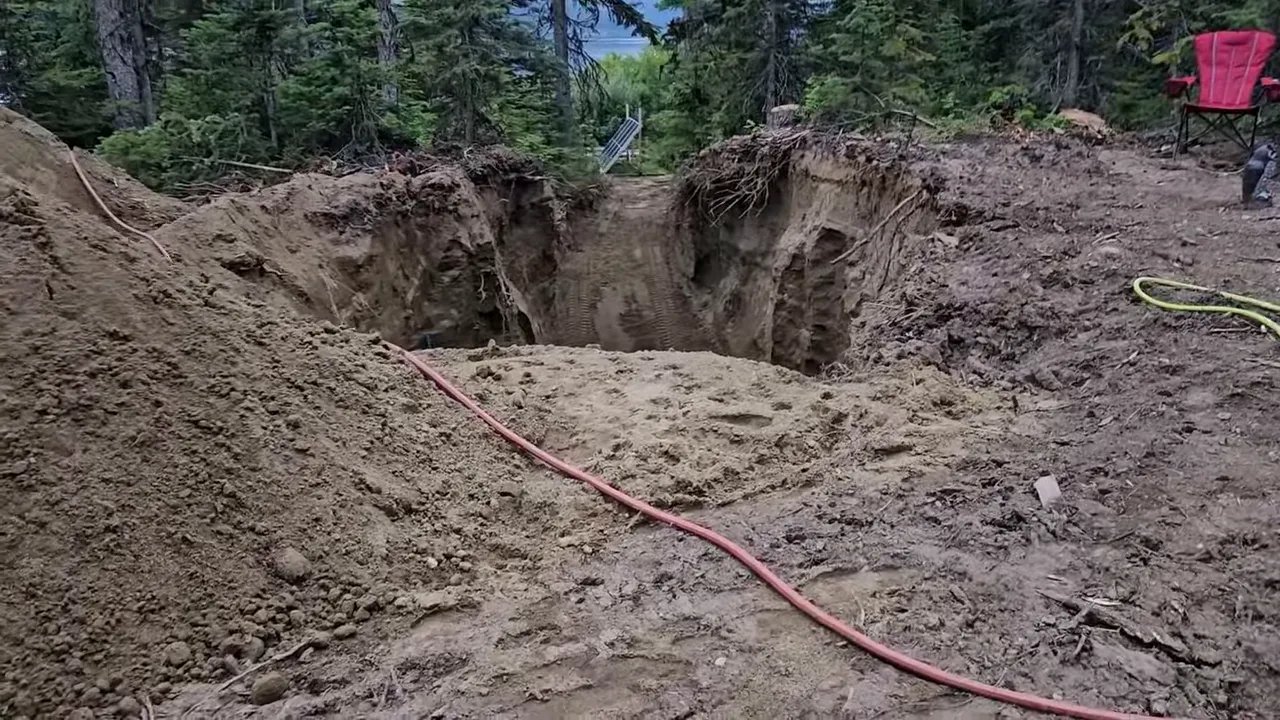
The biggest development was the below grade bunker intended to protect the solar power system through winter. The idea behind it made sense to us. We wanted a protected place for batteries and related equipment so we would not have to haul everything back and forth every season. More importantly, we wanted to avoid a situation where discharged batteries could freeze and be ruined if something went wrong while we were away.
In cold weather, batteries do not forgive neglect. If charge is lost and temperatures drop too far, recovery may not be possible. A protected underground room seemed like the answer, and the concept was to keep that space above freezing while adding drainage and protection around it.
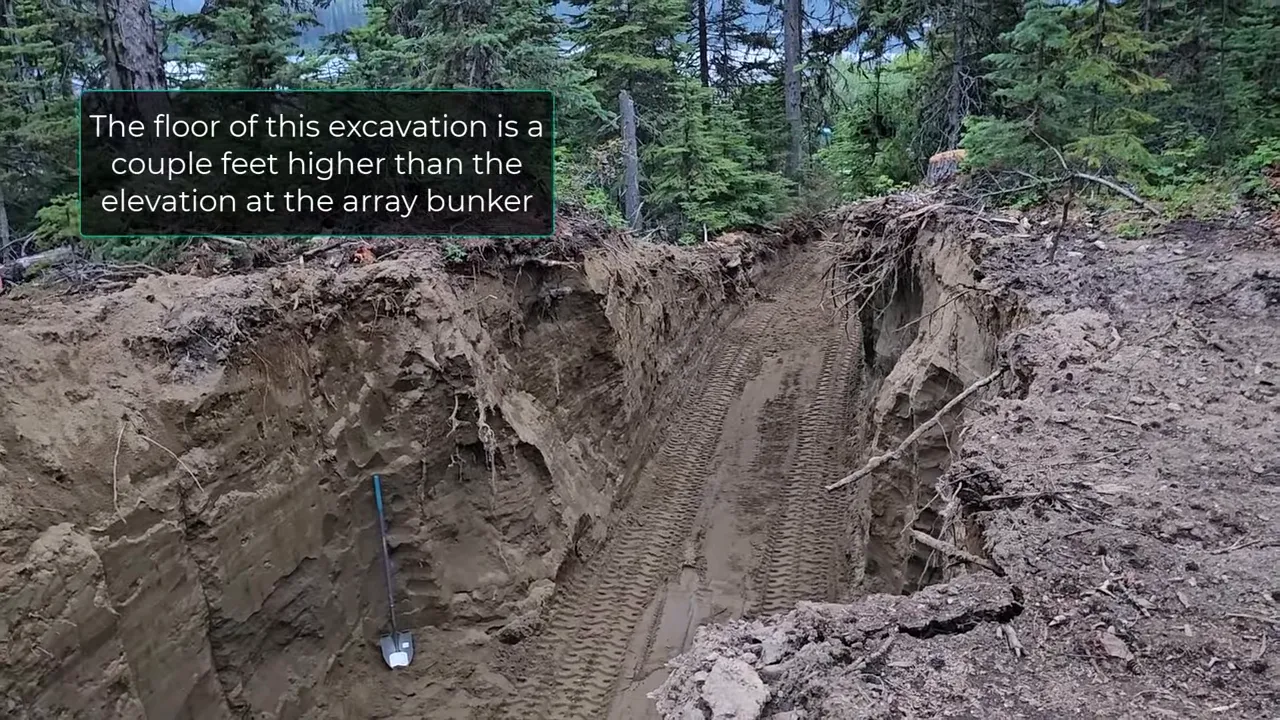
What changed everything was not the goal. It was the realization of how dangerous the excavation itself was. The walls had already shown signs of instability, including cave-ins and cracking. Water management, unsupported soil, the depth of the hole, and the general unpredictability of the ground all raised the stakes more than we first understood.
The intended plan involved block walls, drainage rock, and a vertical drainage path to carry water down and away so pressure would not build against the structure. There was also discussion of using a one-way valve on the drain line to stop backflow and keep animals from entering the pipe. Those ideas addressed water, but they did not erase the broader risk of the excavation conditions shown during this phase.
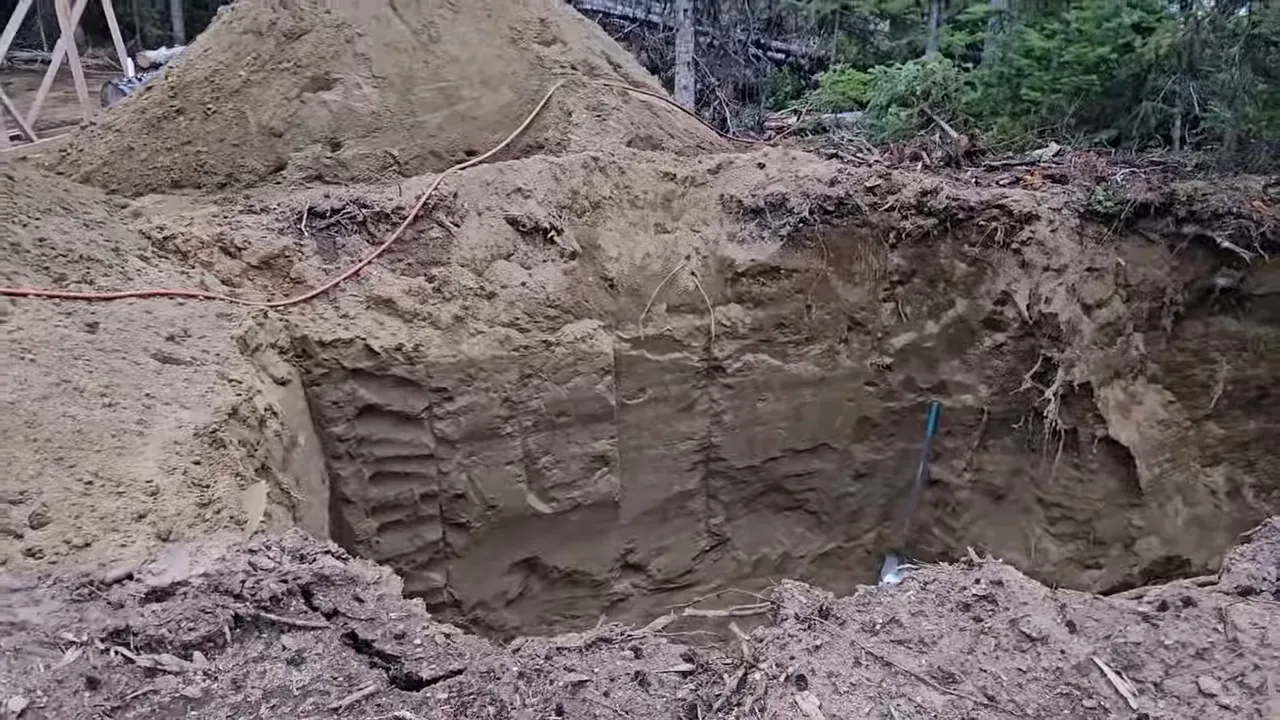
This is where the whole episode takes its turn. We learned that underground work like this is not something to treat casually. Proper professional assessment, engineered support, and compliant protection systems matter. Without them, the consequences can be immediate and severe. That lesson reshaped how we think about the project and how we move ahead from here.
So while the bunker was designed around preserving our batterybunker and winter power setup, the bigger takeaway was humility. We had to accept that not every determined idea should be pushed forward the same way. Sometimes the smartest move in livingoffthegrid is to stop, reassess, and do it properly before going any farther.
Evening routine and why we keep going
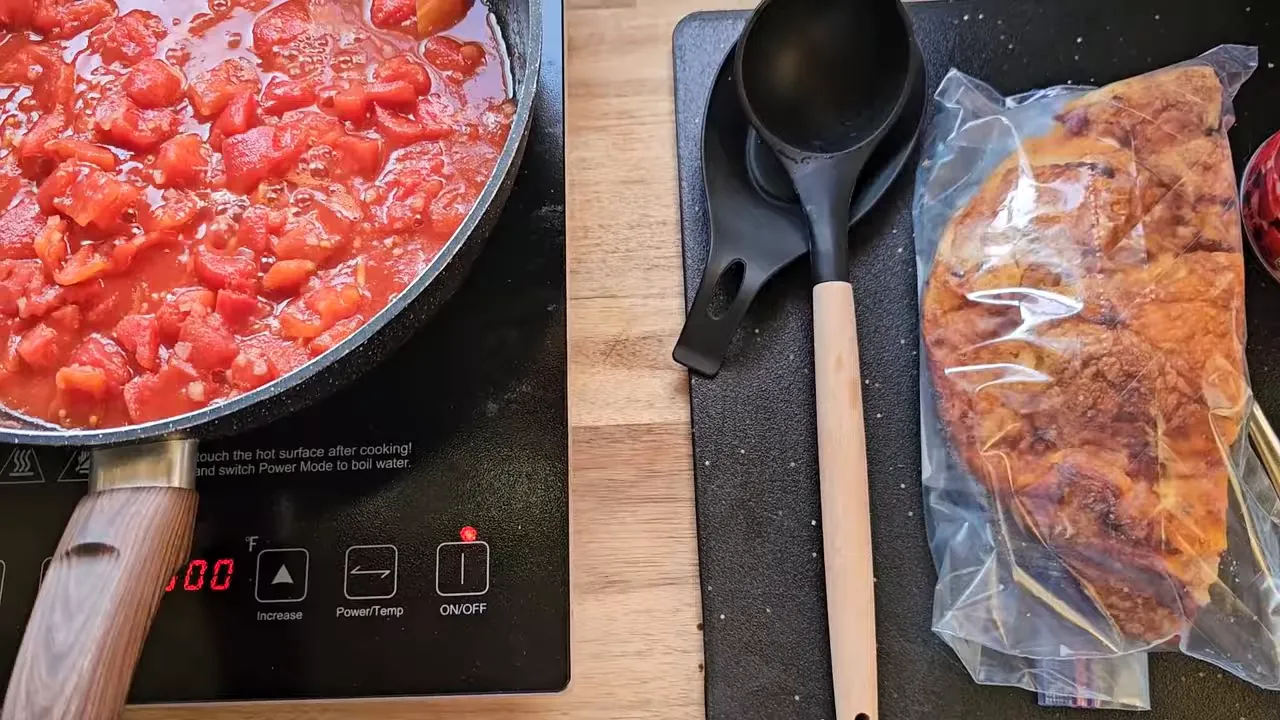
By the end of the day, we were both tired enough to keep supper simple. Pasta with stewed tomatoes was one of those familiar meals that asks very little from us and still feels satisfying. After hauling, site work, garden talk, and heavier planning, that kind of easy dinner fits the mood perfectly.
There was also that usual evening mix of island life all around us. Fish moving on the water, the dog staying alert to sounds in the trees, and the sense that there is always one more thing to do tomorrow. That constant list is part of offgridliving, but so is the calm that settles in once the work stops.
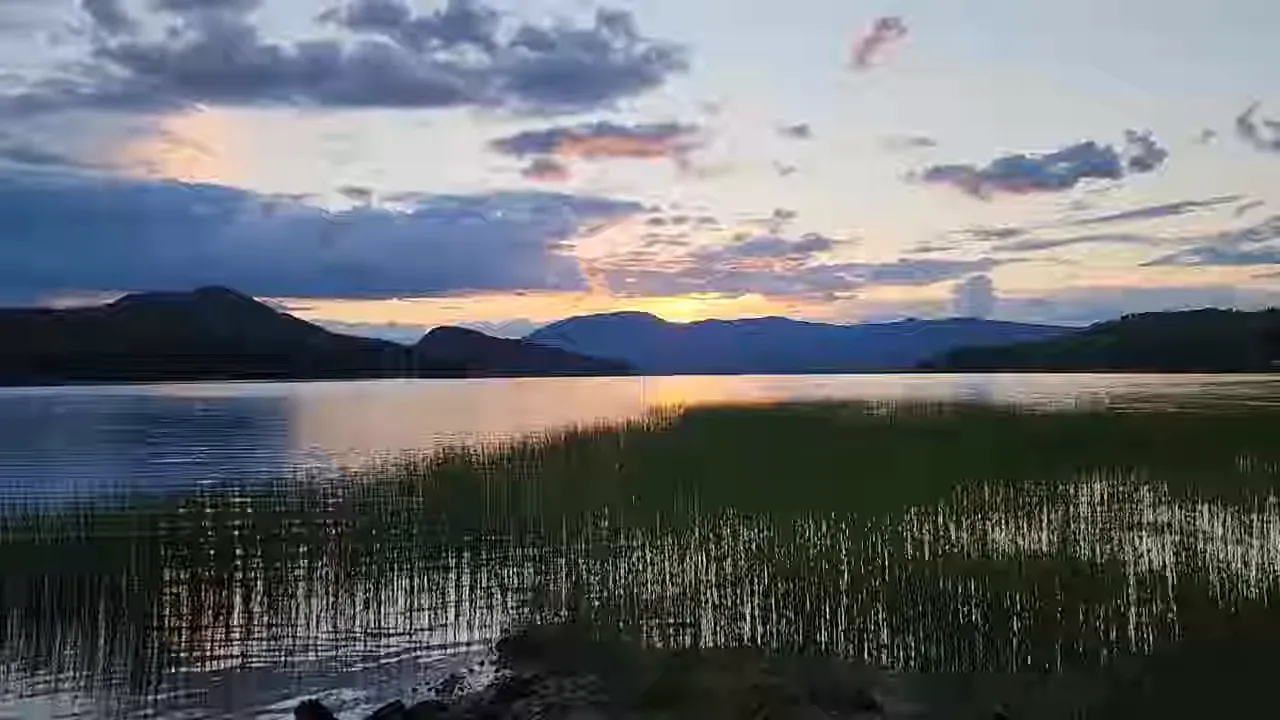
When the air goes still and the water smooths out, it becomes easier to remember why all this effort is worth it. We sit, talk through the day, and take in what has changed. Sometimes it is a rebuilt fire pit area. Sometimes it is a few strawberries. Sometimes it is a hard lesson that redirects a whole project.
If you want the broader story behind this island build, the Season 1 playlist picks up from the beginning. We also keep updates and conversations going in other places, including our YouTube channel home. However it unfolds, this is what Off Grid Life looks like for us: quiet work, practical decisions, mistakes we learn from, and steady progress that slowly turns wilderness into home.
Keywords Used: homesteading canada, remoteislandliving, selfreliance, offgridsolar, remoteislandhomestead, batterybunker, livingoffthegrid, offgridliving.
Hashtags: #OffGridLife #OffGridLiving #OffGridSolar #BatteryBunker #RemoteIslandHomestead #HomesteadingCanada #SelfReliance #LivingOffTheGrid