2 People. 192 sq ft Cabin. Remote Island — THIS is Off Grid Living! – S1 Ep25
Living off grid in a 192 sq ft cabin on a remote island is where off grid life really gets tested. There’s no extra space and no room for things to go sideways. Every decision matters.
Even simple plans can shift quickly, and in tight quarters like this, everything changes — how we live, how we build, and how we adapt.
Table of Contents
- A Decision That Changed Everything
- Unexpected Visitors on the Island
- Life on the Water and Moving Supplies
- Simple Off Grid Living Moments
- Emptying the Cabin to Start Over
- When the Build Doesn’t Go Perfectly
- Turning a Small Space Into a Home
A Decision That Changed Everything in Our Off Grid Living Reality
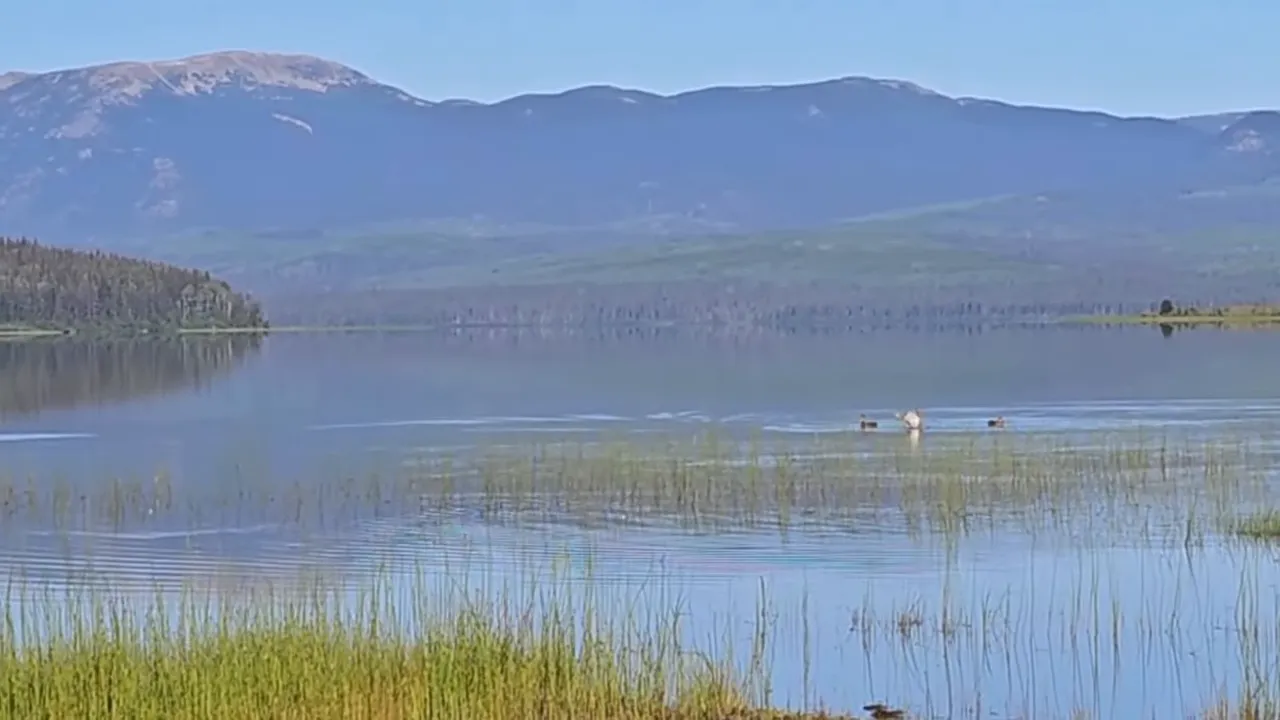
This is what off grid living actually feels like for us. It is ducks on the water at first light, a dog named Opal absolutely convinced she is the island’s official security service, and a morning so beautiful it makes you stop in your tracks even when you have a long work list ahead.
That is one of the funny things about remote island living. Nature is never in the background. It is right there with you, every single day. One morning starts with still water, a family of ducks tucked behind the bushes, and Opal barking as if she is personally negotiating territorial rights. The next thought is not poetic at all. It is about materials, trim, deck skirting, railings, and how to finish what still needs finishing before the seasons turn.
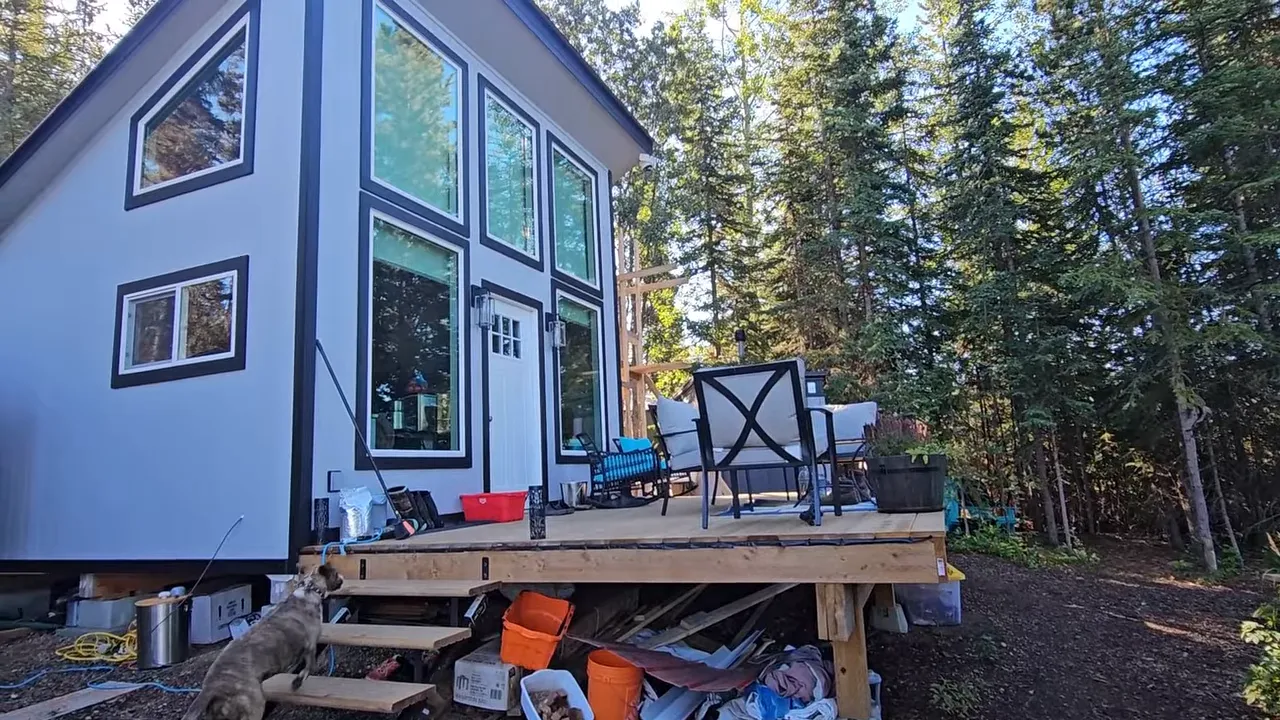
We had just brought in new materials because the outside of the cabin was nearly wrapped up, but the inside still needed real work. The cabin is only 192 square feet, and for two people that means every unfinished wall, every temporary shelf, and every pile of supplies affects daily life. This is one of the big truths of tiny cabin living. A space that small cannot stay “temporary” for long before it starts working against you.
Alongside the cabin work, regular homestead tasks never stop. We were watering the orchard with a deep soak, going tree by tree for half an hour each. We were also thinking ahead to reinforcing a couple of smaller outbuildings and even the bird bath structure, which had somehow held up beautifully through four full seasons. On a place like this, maintenance is never separate from building. It is all one continuous rhythm.
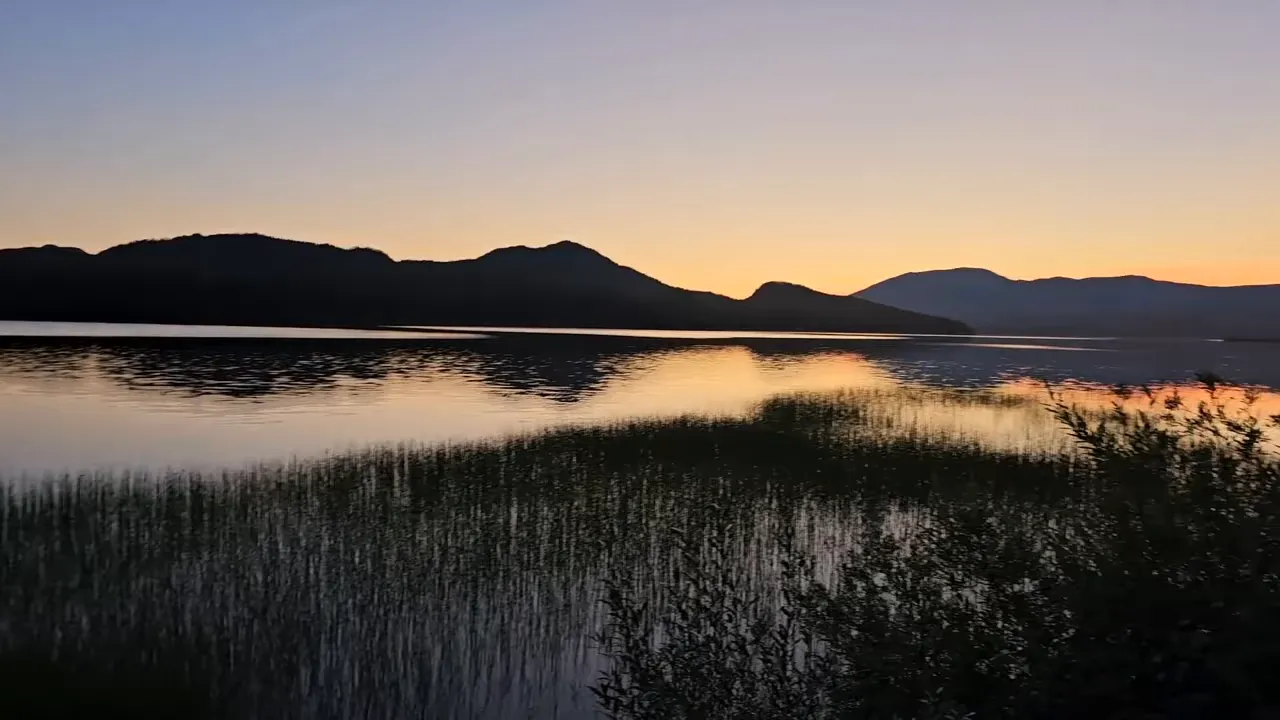
By evening, summer was clearly winding down. The lake was still, the bugs had calmed right down, and the sunsets had started to feel different. Not just the end of a day, but the end of a season. Still, we do not mourn summer too hard out here. Autumn brings color, crisp air, and far fewer bugs, which in northern off grid living Canada feels like a gift.
Unexpected Visitors on the Island and the Kind of Help That Makes Remote Island Homestead Life Special
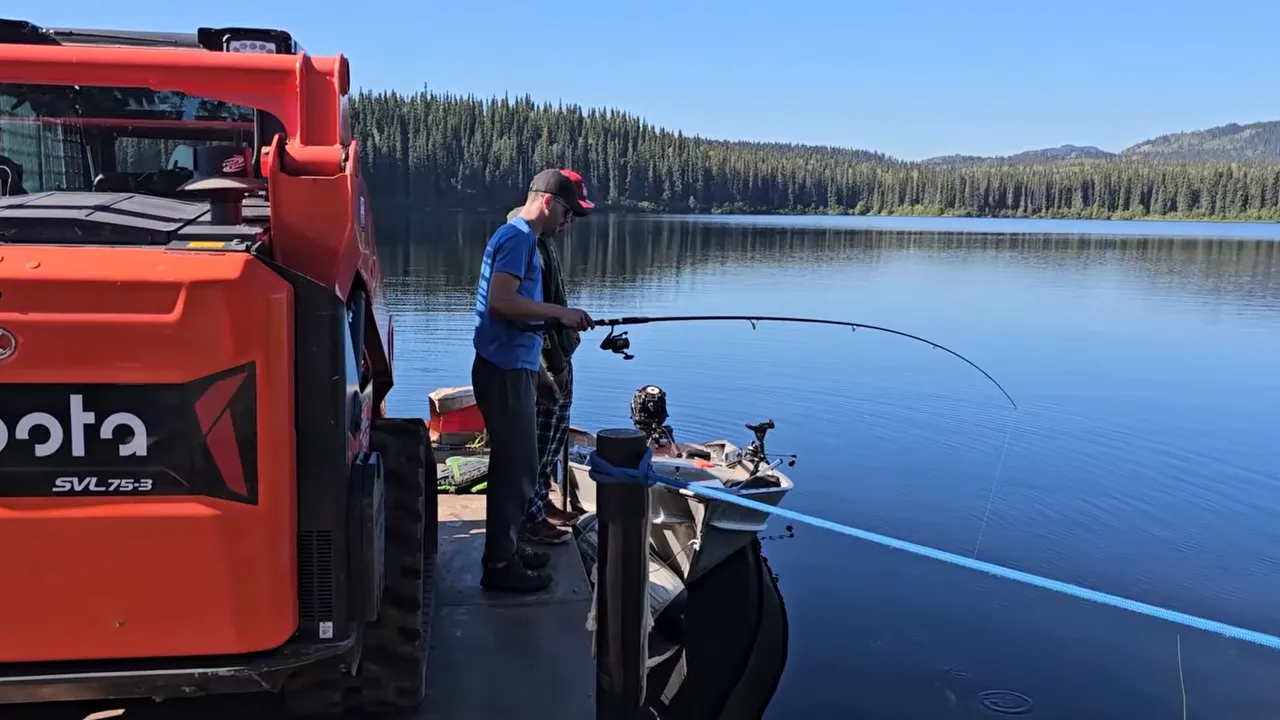
Later that morning, the day took a turn we did not expect. While resting off a headache, we heard voices. Two young men had come up by the cabin asking for help. That almost never happens here. Their boat motor had quit, and they had paddled over to Bird Island hoping someone might be around.
Meet Jacob and Drew. They needed to get back across the lake to check a line they had set, and we were able to lend them our little skiff so they could do that quickly. We were already planning a run back to the boat launch with supplies, so it made perfect sense to bring them back with us afterward.
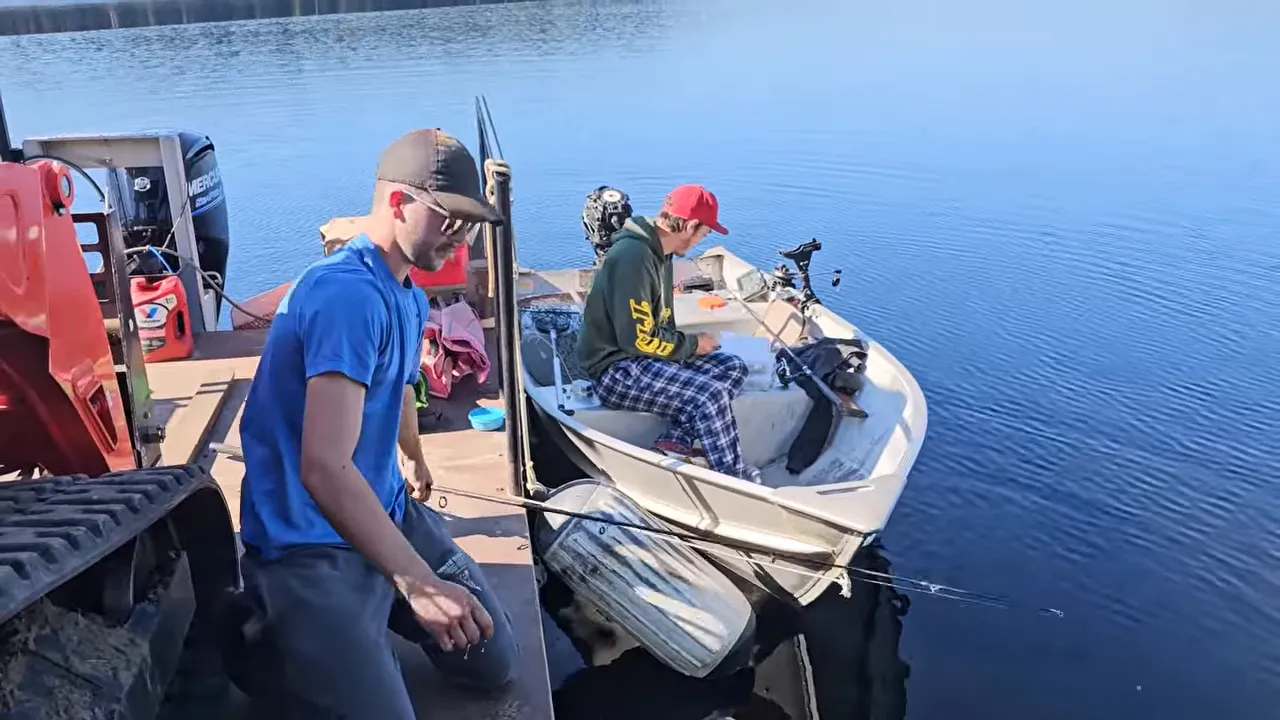
They were a delight. While they were with us, one of them even spotted and caught a small fish right off the barge. They explained it was a pike minnow, a bottom feeder, and then started telling us about the fish they were really after. They had been checking a night line for lingcod, which they described as delicious eating fish with almost eel-like tails and char-like heads. The last one they had caught, they said, was around 34 inches and 12 pounds. Not exactly a dainty little catch.
Then came one of those entirely unexpected island conversations we love. We got onto the topic of worms, because our island famously seems to have none. Jacob told us that years ago his aunt Sharon had a garden on Bird Island where she kept worms specifically to sell to hunters and fishermen. Suddenly our worm mystery had a history. Somewhere on this island, there may once have been a worm garden, and that sent us immediately into joking mode.
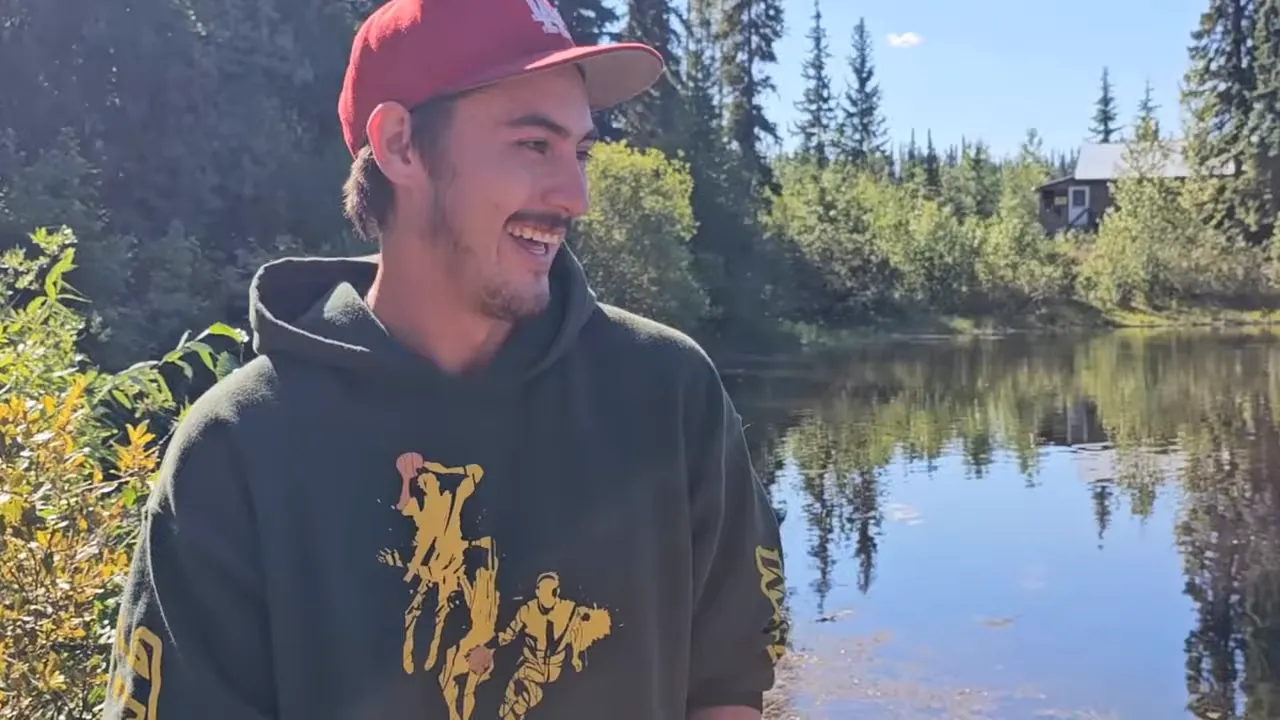
Forget moose and bear. Let’s go worm hunting!
That little bit of island history was wonderful, but the practical side of the day was just as memorable. On the ride back, our own fuel issue popped up. The motor started sounding odd, and Drew quickly guessed the problem. We were out of fuel. It was one of those small off-grid moments that says everything. Out here, even when you are helping someone else, a mechanical or fuel surprise is always one step away. Thankfully, Drew was a first-year automotive mechanic and completely at ease around motors. It all felt rather providential.
Life on the Water and Moving Supplies for Our Off Grid Cabin
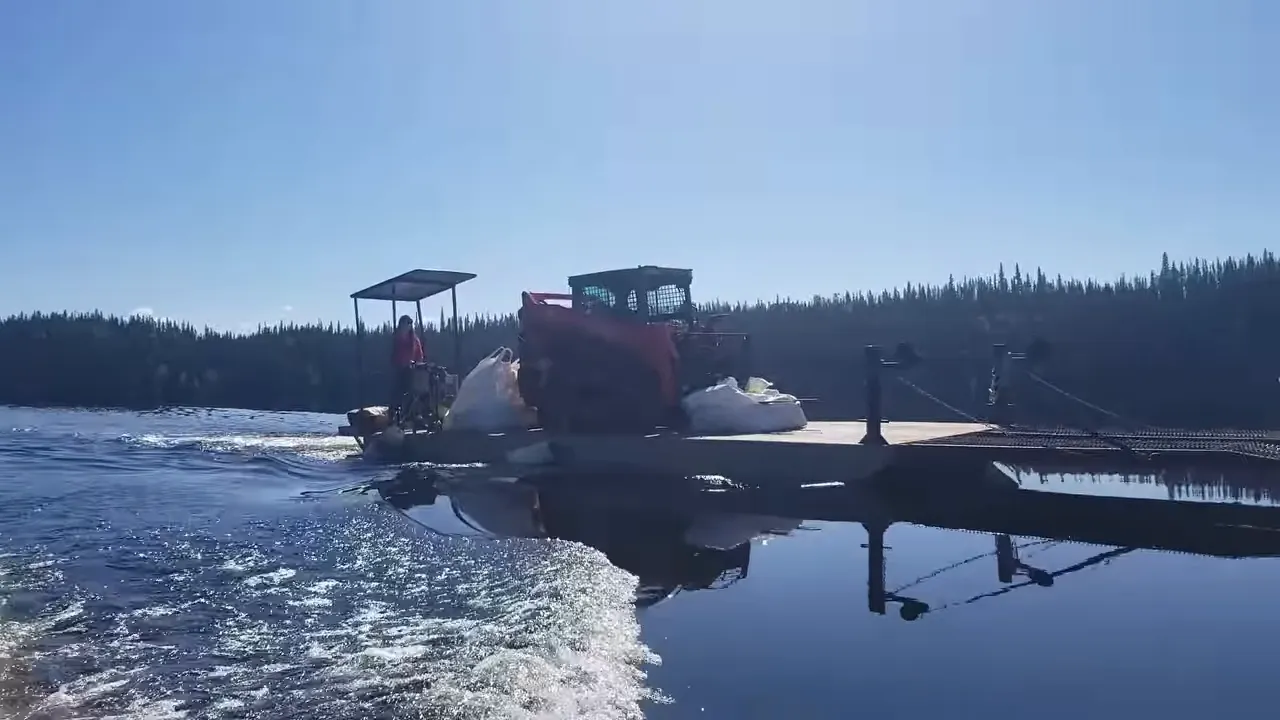
Life on a remote cabin living setup like ours runs on water transport. If something needs to come to the island, it comes by barge or boat. If something needs to leave, the same story. This day included another full round of hauling supplies, unloading bags of rock, moving trim, and balancing loads carefully enough that the barge handled well.
Some of the bags of rock were not packed the way we expected. A few had barely any rock in them, presumably to keep the bags from tearing, which is understandable but not exactly efficient when every load has to cross the lake. Others were much fuller. That is another reality of DIY cabin build life in a remote place. You work with what arrives, not with some perfect theoretical version of the materials.
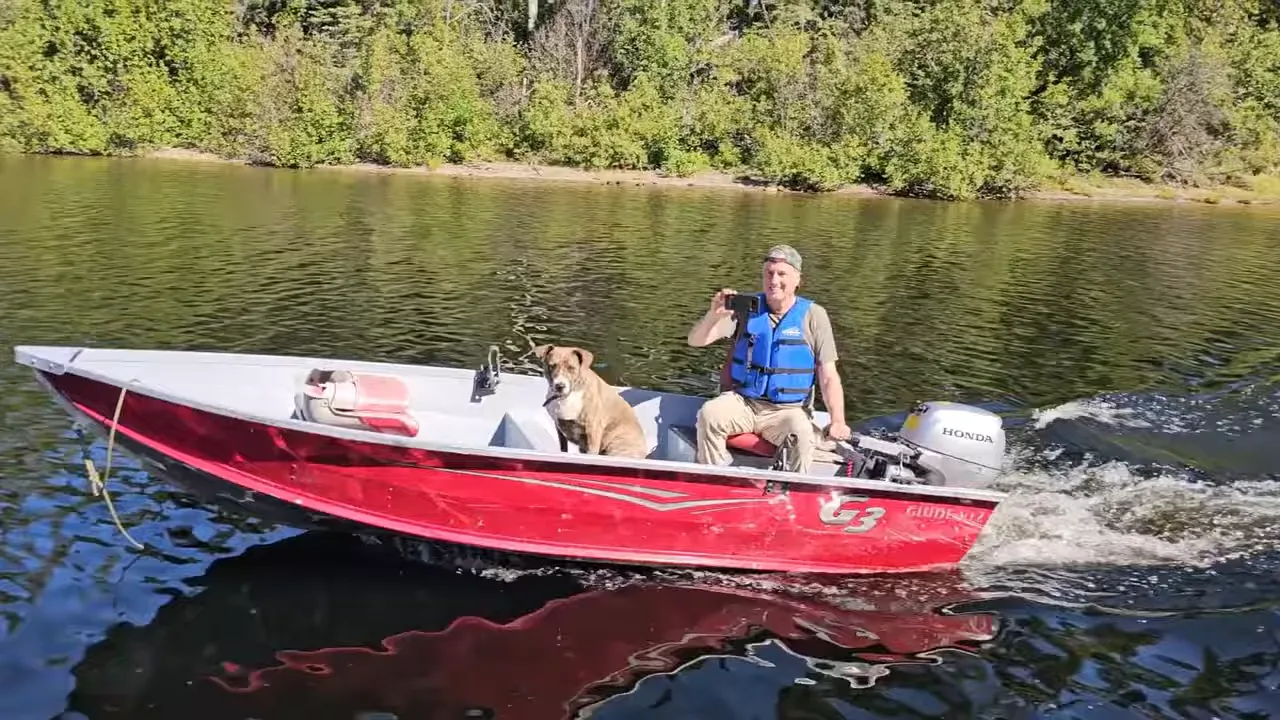
One of the nicest stretches of the day was going back to pick up Opal. The weather was perfect, the lake was calm, and Melodi handled the barge beautifully. Ryan joked that she has become fearless with equipment over time, and it is true. Barge, excavator, chainsaws, power tools. This life asks a lot of both of us, and it tends to teach by necessity.
Docking the skiff beside the barge was straightforward too. Pull alongside, wrap the bow line over the port bollard, let the stern settle back against the barge, then tie the rear cleat to the rail post near the console. Simple systems become part of the fabric of daily life out here, and every one of them saves time, effort, and frustration.
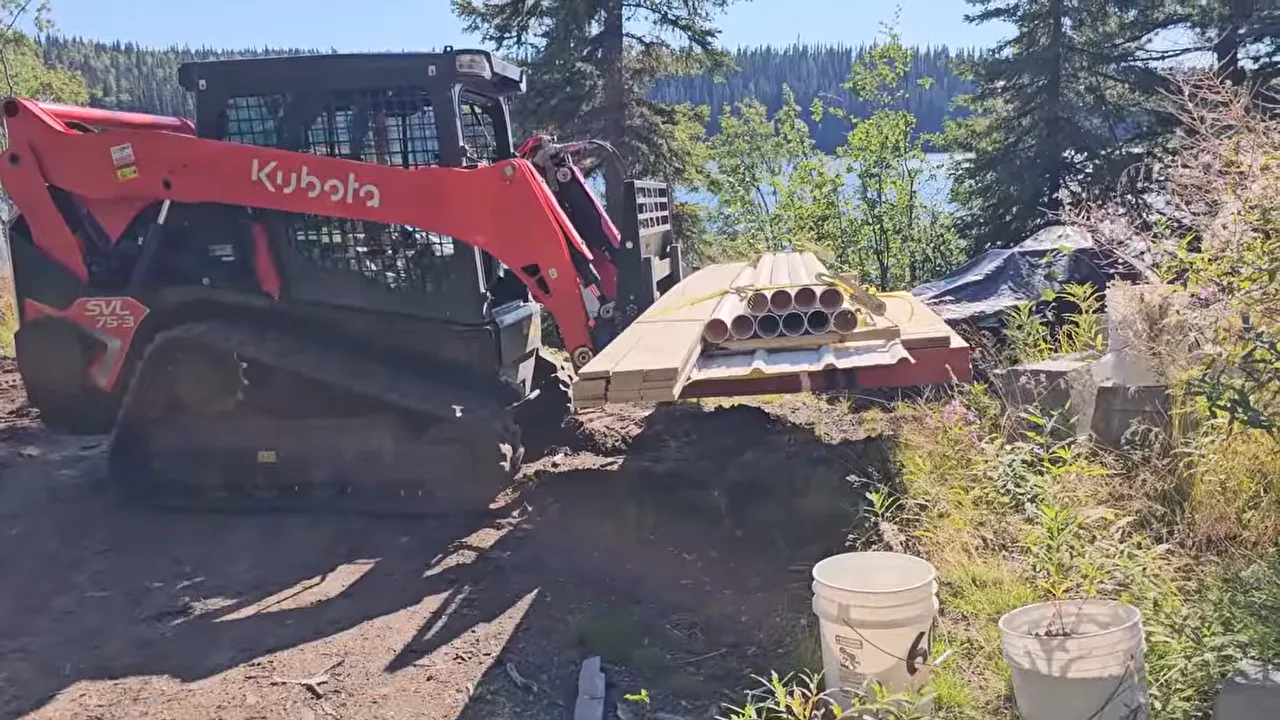
By the time we returned with the final load, we had more trim for the cabin and outbuildings, rigid drain pipe for the battery bunker perimeter drain, and extra sheeting and roofing material we always seem to need. We also had garbage going out with us, as always. Every single trip off the island includes a dump run.
We take that seriously. There is something deeply satisfying about sorting it properly, getting it off the island, and knowing it is handled responsibly. Carelessness with waste really bothers us. Whether it is our island or the side of a road somewhere else, we simply do not want to contribute to that kind of mess. Respect for the land is part of self reliance, not separate from it.
Simple Off Grid Living Moments That Remind Us Why We Chose This
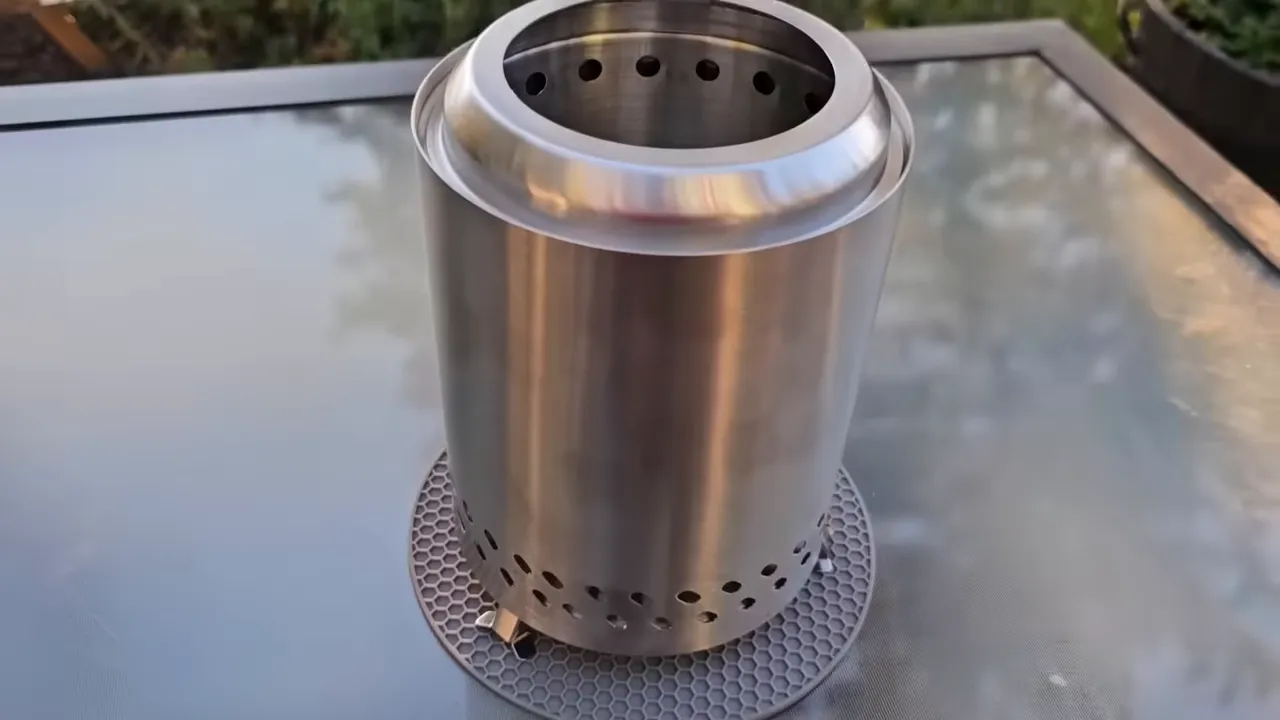
That evening had the kind of peace that makes all the work make sense. Warm air, a soft breeze, no real wind on the lake, and just enough energy left to enjoy a small new addition to cabin life. We had picked up a tabletop smokeless fire pit, something in the spirit of our Solo Stove but sized for the deck.
It was compact, stainless steel, and designed to burn wood or pellets with low smoke. We were already imagining using it for a cozy little deck fire and maybe roasting a marshmallow or two. Tiny things matter on a tiny cabin homestead. They add warmth without demanding much space, which is exactly what this cabin needs.
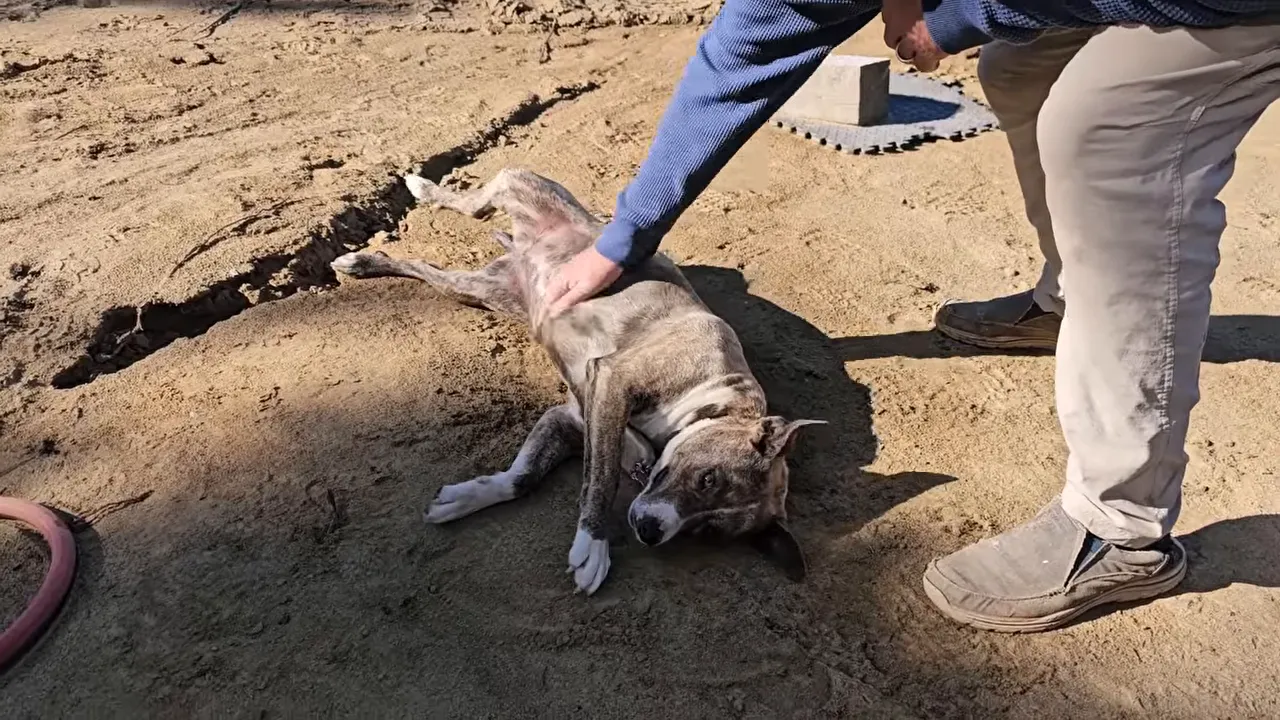
And then there was Opal, rolling around in the grass, asking for belly rubs, getting the zoomies, and generally reminding us that joy is often very uncomplicated. She was happy, we were tired in the best way, and the island felt especially lovely.
Those are the moments people sometimes miss when they picture living off the grid. Yes, there is work. There is also laughter, silliness, and a lot of gratitude tucked into ordinary evenings.
Emptying the Cabin to Start Over in 192 Square Feet
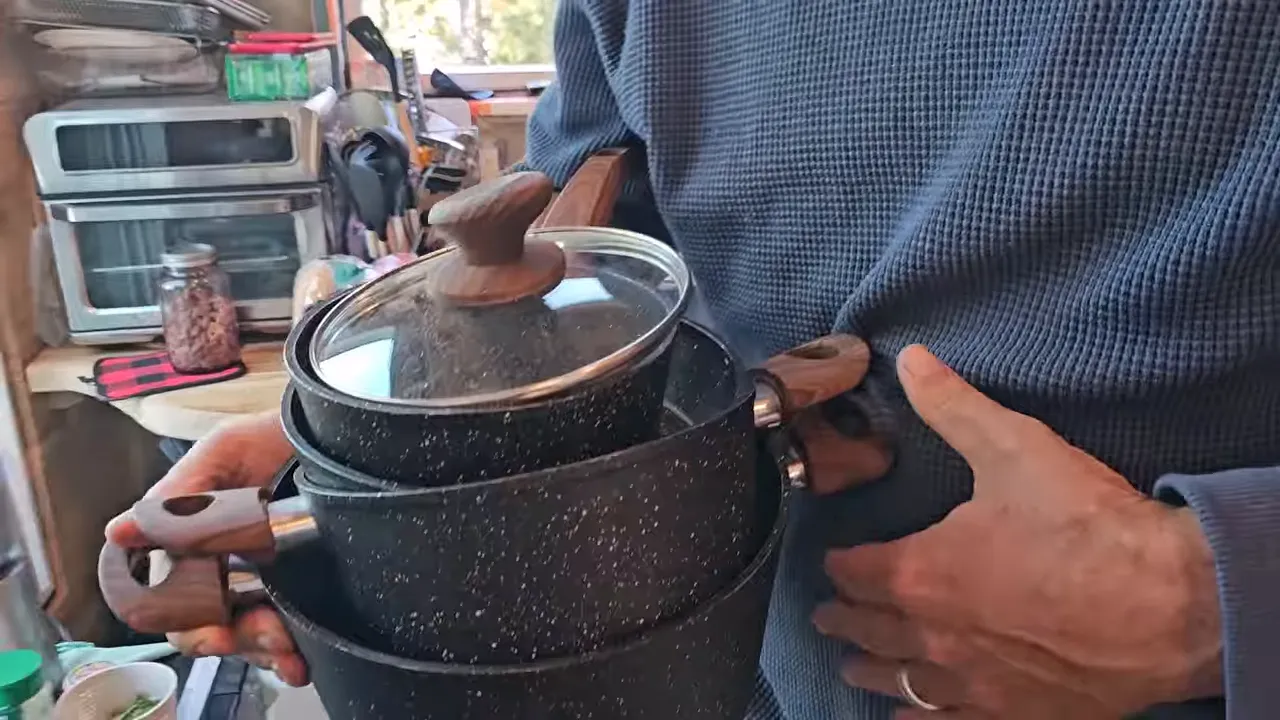
The next major push was inside the cabin. We had reached the point where enough was enough. The place had to be emptied so we could finally do the interior wall and begin turning the space into something more functional.
When we say emptied, we mean emptied. Everything came out onto the deck. The fridge had to move. The little wardrobe shelves had to move. The whole interior briefly looked like a jumble of belongings and building supplies, but it was the only way to reset the cabin properly.
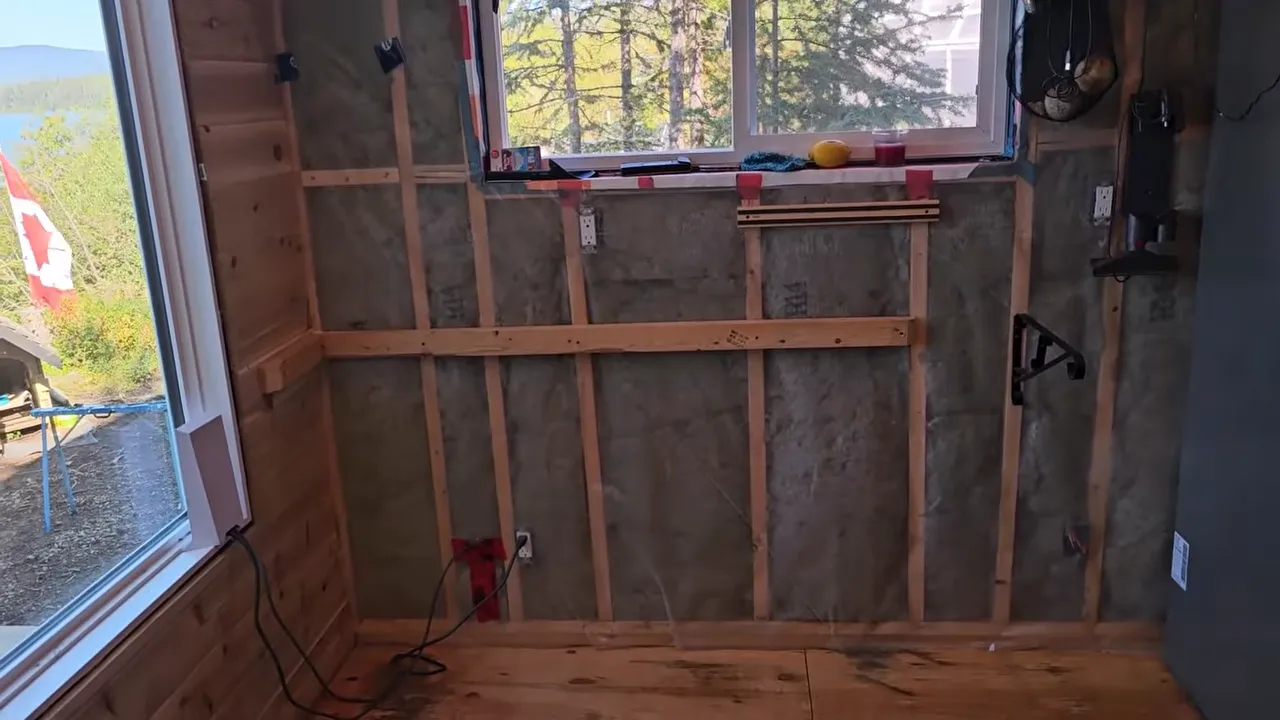
This is where tiny cabin living becomes very honest. We had been making do, but making do is not the same as living well. The plan was to finish the wall, then build proper upper cupboards, lower cupboards beneath the countertop, and additional storage under the other window as well. We wanted less clutter in our line of sight and more thoughtful storage hidden away.
We were also discussing future layout ideas. Maybe a little shelf instead of the small table. Maybe a wood box below one window. Maybe shallower or deeper storage depending on use. In a 192 square foot cabin, those decisions are not decorative. They shape whether the room feels calm or chaotic.
When the Build Doesn’t Go Perfectly in a DIY Cabin Build
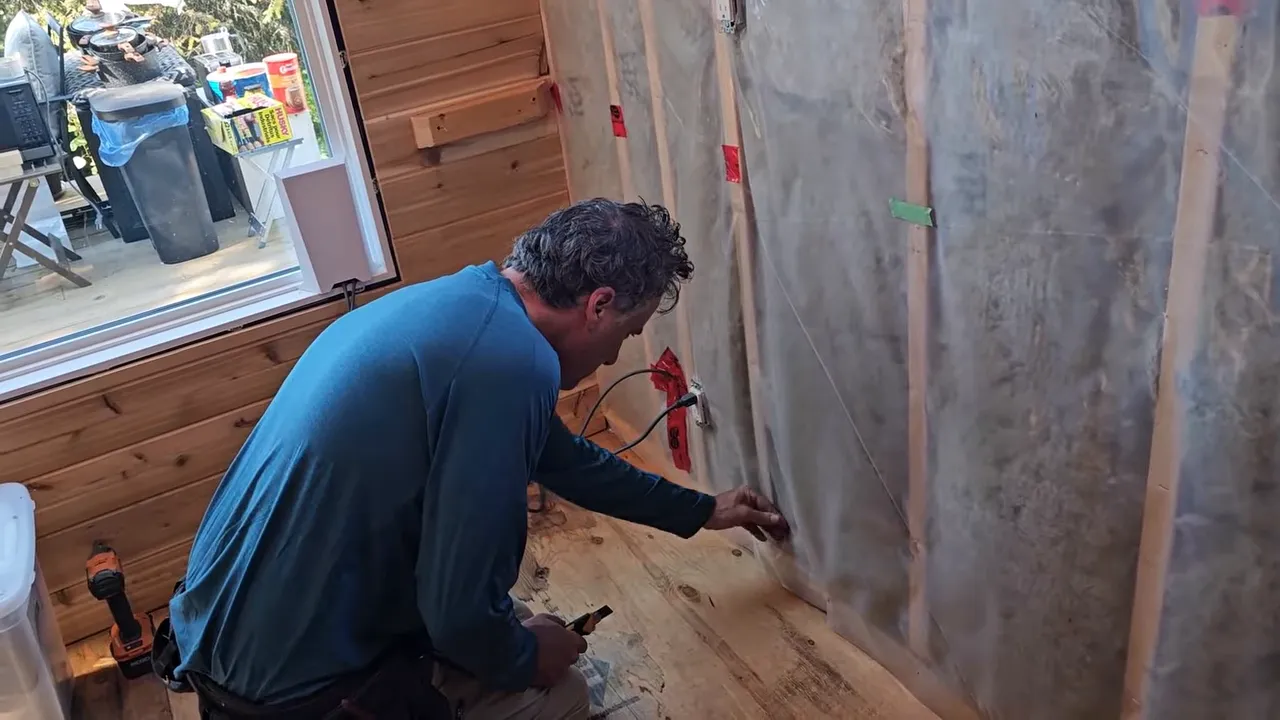
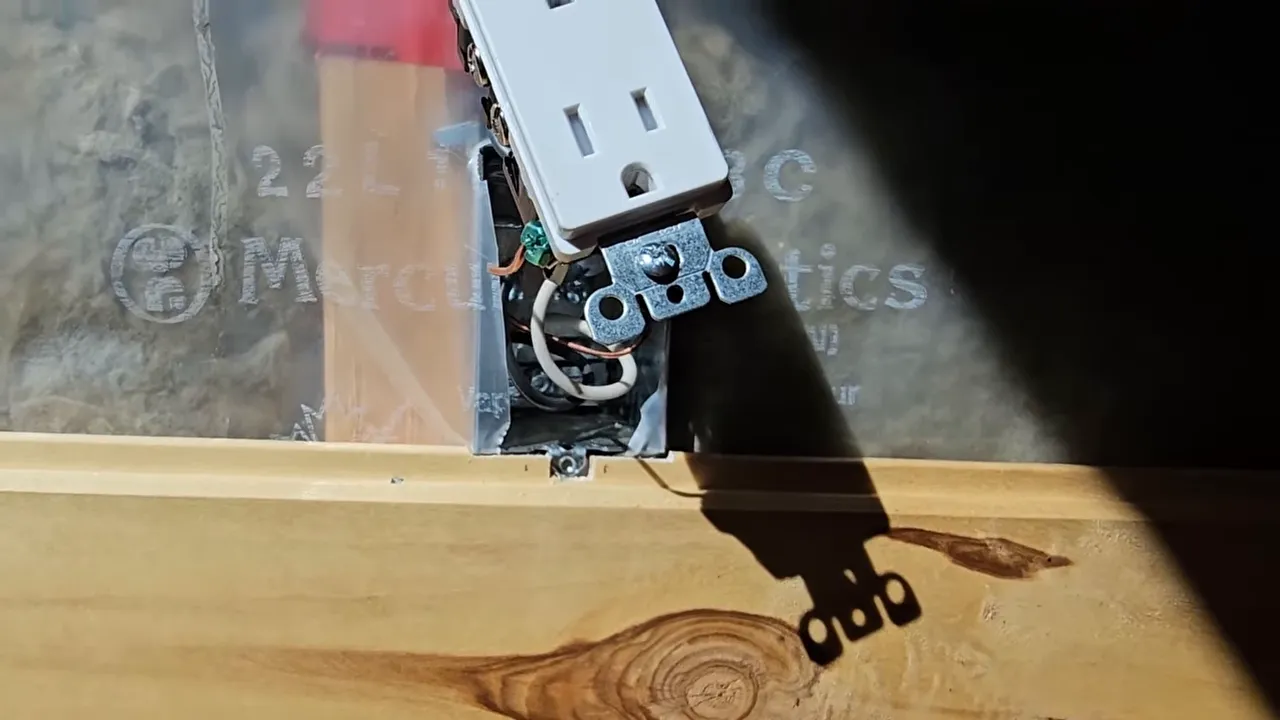
Before the wood could go on the wall, there was prep work to do. Every nail and staple hole in the vapor barrier had to be sealed with tuck tape to reduce warm air movement into the wall cavity. That matters because warm interior air can condense on cold insulation surfaces, and moisture in a wall is never something you want. If we had known from the start that this cabin would serve as a winter cabin, some of that detailing would have been done differently from day one.
We also talked openly about the drafts. Some were coming from unfinished details in the wall, but much of it was from the floor. There were still gaps and no insulation beneath in places, so winter-proofing underneath the cabin remains part of the plan. Rigid foam insulation, more sealing, and some under-cabin crawling are all in our future before cold weather living becomes comfortable.
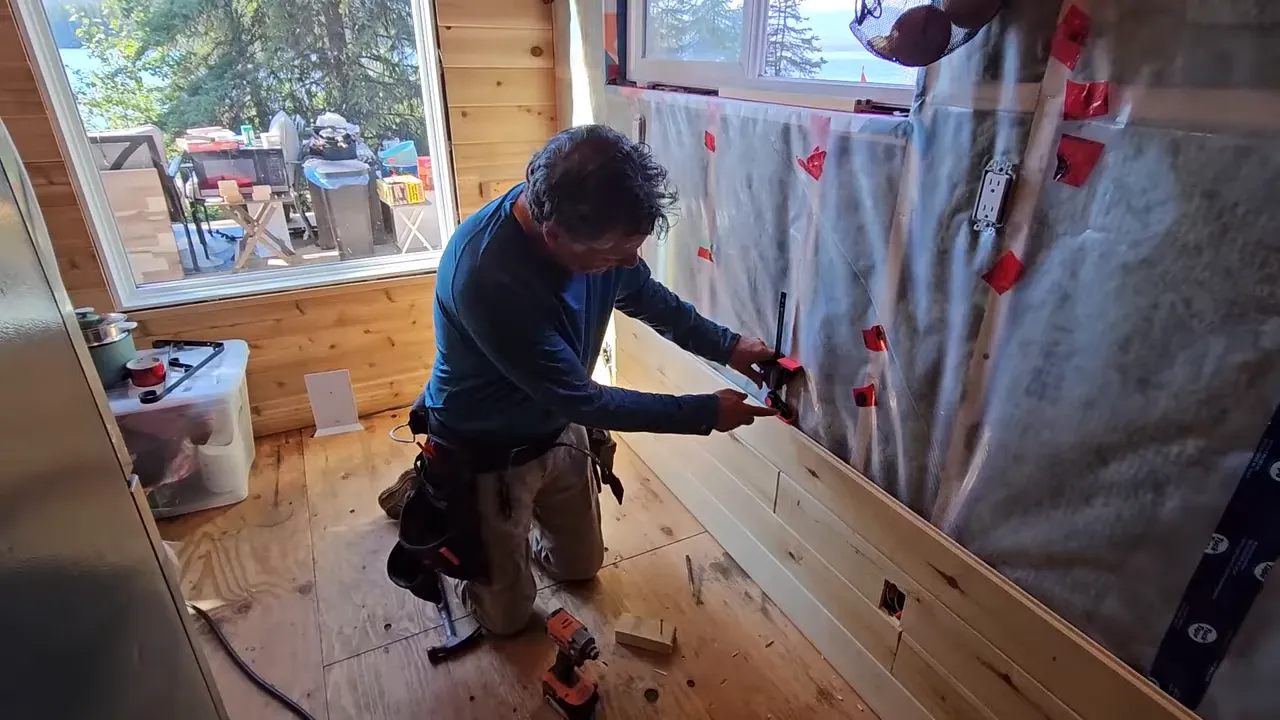
Once the boards started going up, the wall immediately changed the feel of the cabin. But of course, real building work rarely goes in a perfectly straight line. Some boards had a crown that needed flattening. Ryan rigged up a clamp setup to force one bowed board down into place, and to our delight it actually worked beautifully.
Other pieces were less cooperative. There were outlet and switch cutouts to make. One plug location needed correcting. Then came the issue of inconsistent board widths. Adjacent boards were not exactly the same size, which made the lines look off in one area. The fix was to trim the tongue on one board carefully to bring things back into alignment.
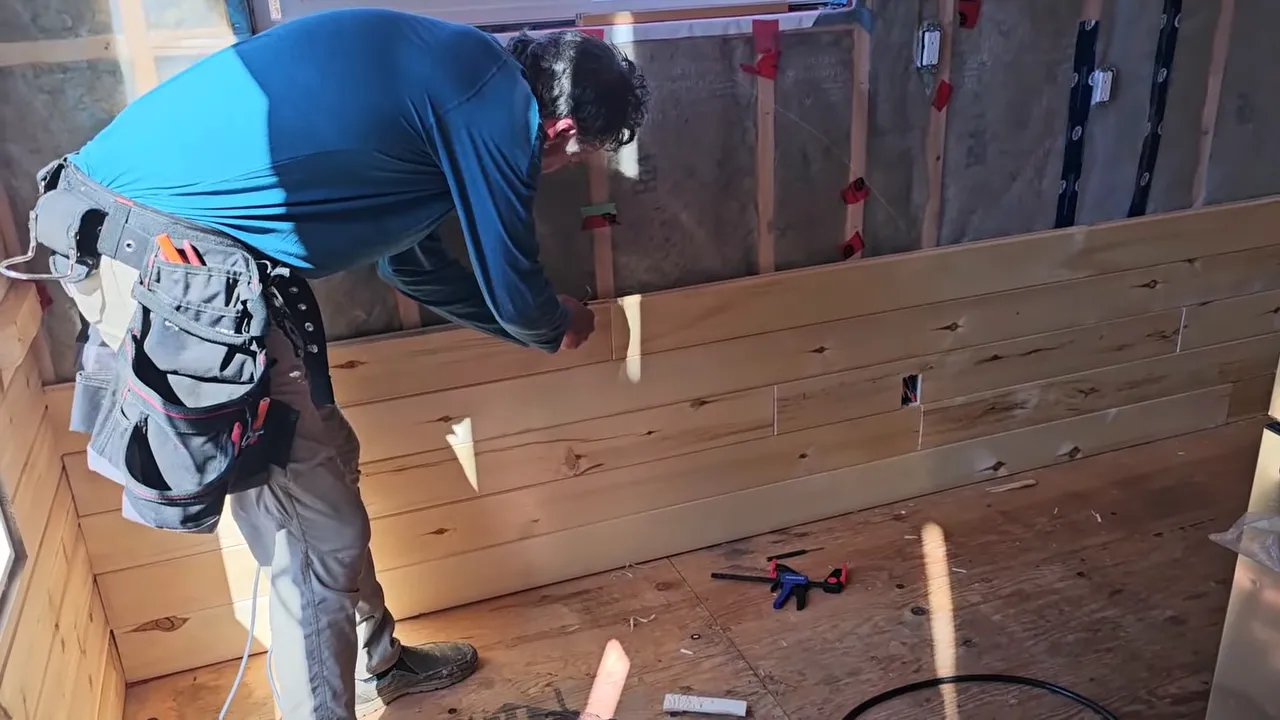
That is really what a lot of off grid homestead building looks like. Not perfection. Problem solving. You adjust, you laugh, you trim a little, clamp a little, and keep moving. We do not take ourselves too seriously, and honestly that helps. If every imperfection becomes a personal crisis, this kind of life would be miserable.
At the same time, we still care deeply about doing things well. Even if part of the wall will be hidden by cupboards and countertops later, we want the structure sound, the finish pleasing, and the whole room moving steadily toward better function.
Turning a Small Space Into a Home With Better Storage and Better Choices
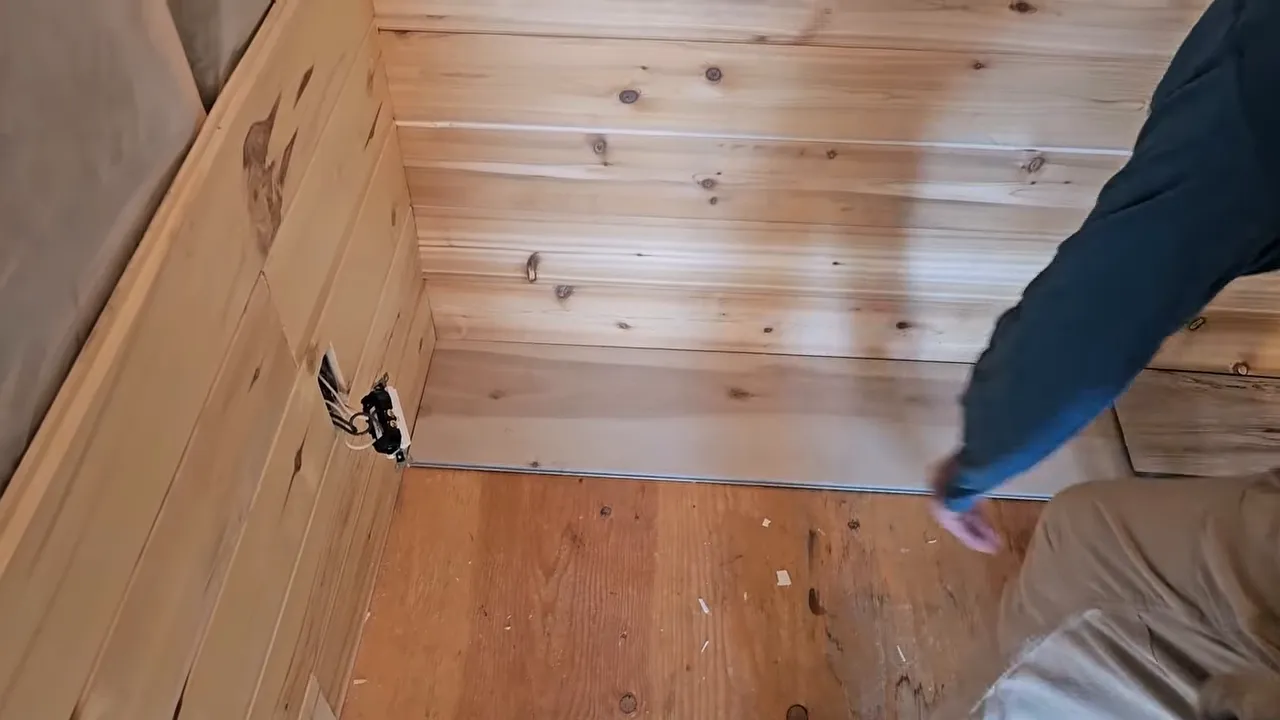
As the wall came together, we also had to make a flooring decision. We had originally picked one option that leaned a little gray, but once we brought it into the space we were not fully convinced. The blinds are gray and the cabin exterior is gray, but inside, the warmer wood tones were clearly leading the room.
So we compared two choices. One floor sample had a rougher texture and narrower planks. The newer choice felt smoother, had wider planks, and just sat better with the cedar tones. Cleanability mattered too. In a small off-grid cabin, flooring has to look nice, yes, but it also has to be practical. Dirt comes in. Sand comes in. Everyday island life comes in.
We decided the new floor was the right one for the cabin. The original flooring would likely be used elsewhere, perhaps in the array shed studio space or even the bird bath building. Nothing goes to waste easily out here. If we buy it, we almost always find a use for it.
We also talked about future workspace plans. Melodi wants a carving area and already has the knives and finger guards ready to go. That matters because an off-grid property is not just about sleeping and storing gear. It is also about making room for meaningful work, creativity, and all the little parts of life that turn a site into a home.
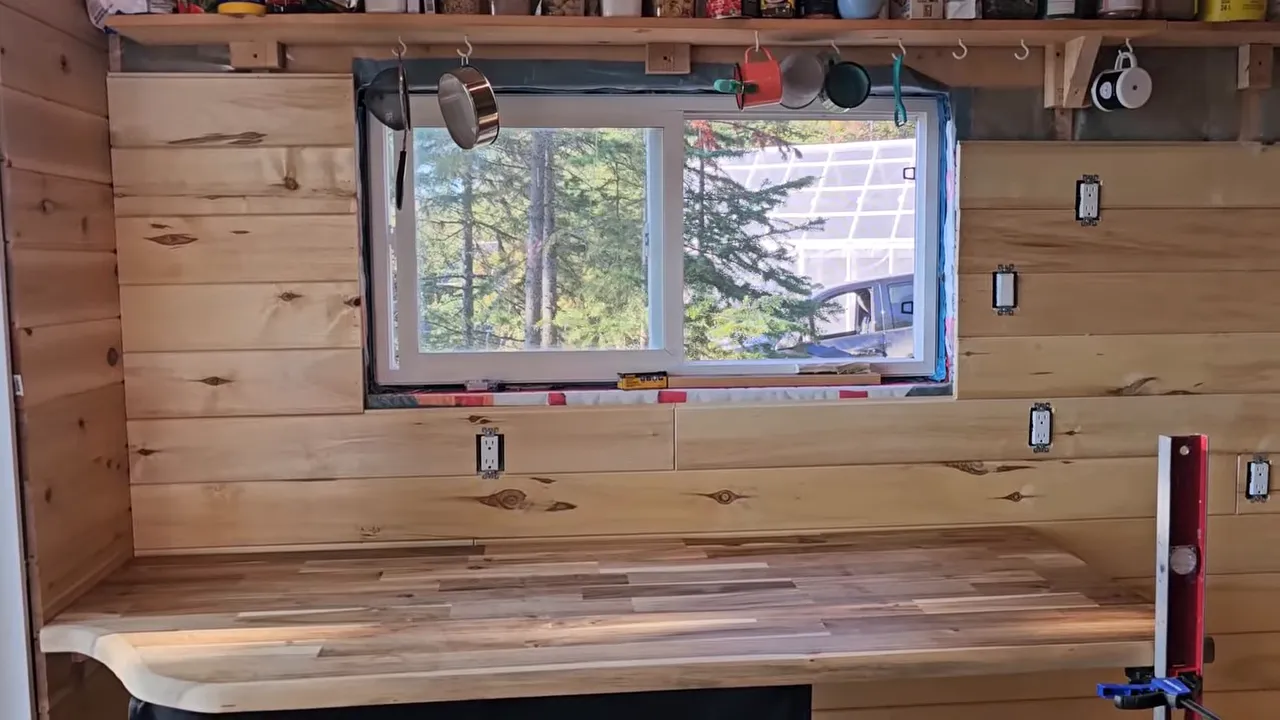
By the end of the day, the transformation on that wall was dramatic. The new wood tied beautifully into the rest of the cabin, the room looked brighter and more intentional, and for the first time in a while it felt as though the 192 square feet were beginning to work with us instead of against us.
The next steps were already clear:
- finish the outside details while the weather holds
- go to town and order the cupboards
- install upper and lower storage
- use the full depth of the wall more effectively
- continue winter-proofing the floor and underside of the cabin
This is the heart of remote island living for us. We build, adjust, haul, repair, laugh, and keep shaping a life that fits the place we chose. A tiny cabin can feel very small when it is unfinished and cluttered. But with the right storage, thoughtful materials, and a bit of stubbornness, it can also begin to feel beautifully enough.
If you enjoy this kind of off grid life, we keep our favorite gear and supplies gathered at My Wild Holm Favorite Things, and we also share a broader list through our Amazon store. For updates, photos, and everyday moments from the island, you can also find us on Facebook, as well as on Instagram and Pinterest.
Keywords: Off Grid Living, remote island living, off grid life, tiny cabin living, off grid living Canada, remote island homestead, cabin life, DIY cabin build, self reliance, tiny cabin, off grid cabin, living off the grid, remote cabin living, off grid homestead.