When the Excavation Started Caving In: An Off Grid Reality Check
With Melodi away for a short trip, the island settles into a quieter rhythm. Ryan uses the time to finally finish the front of the tiny cabin work that’s been waiting patiently while also continuing on with the important project of the year: digging the battery bunker. He got a serious reality check and it looks like he has a few lessons to learn.
Table of Contents
- A quieter rhythm while one of us is away
- Finishing the tiny cabin front before the weather turns
- Laying out the bunker and seeing the first warning signs
- The Bird Nest front is finally done
- When equipment trouble eats the whole day
- Digging deeper into the bunker and rethinking the walls
- Calling it for the day
A quieter rhythm while one of us is away
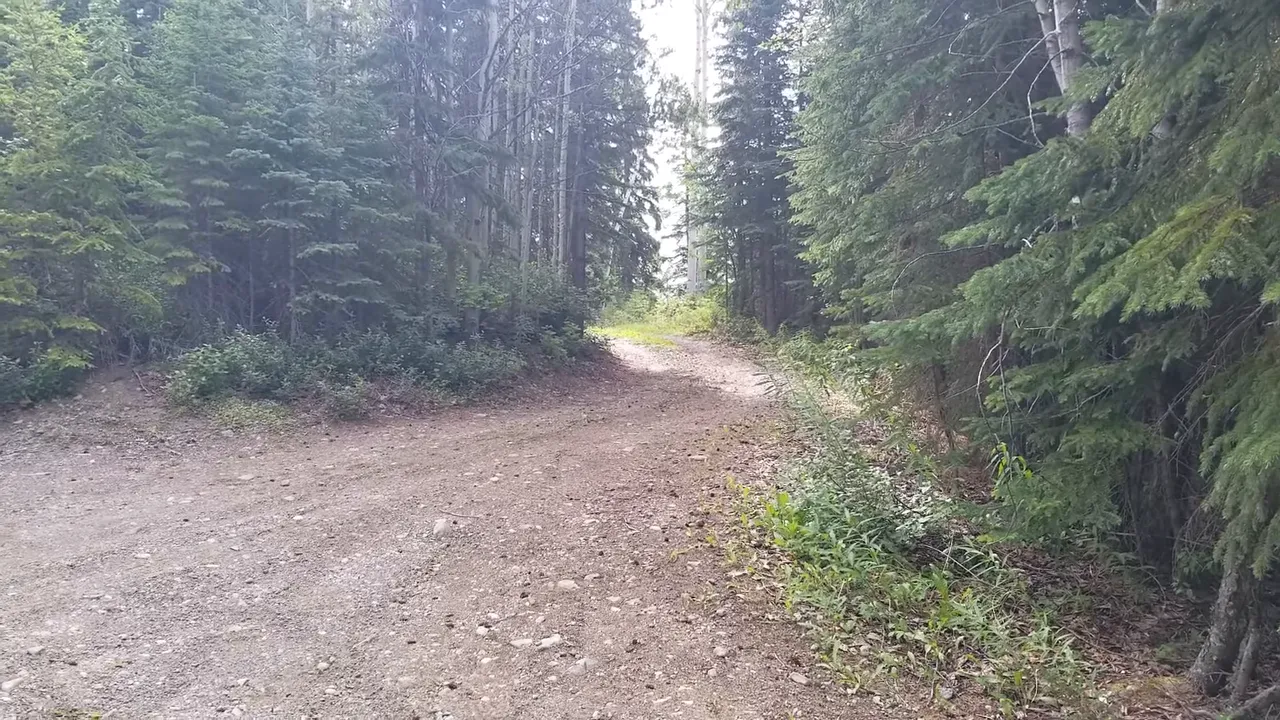
Some days in Off Grid Life are full of noise, hauling, cutting, and problem solving together. Other days feel different right from the start. This was one of those days. With Melodi heading out for a dental appointment on Vancouver Island, the island took on a much quieter feel.
Even a simple appointment is no small errand when we are living remotely. It means getting to the boat launch, making connections, and being away from home much longer than a quick town visit would ever require. While she was on the move, she also talked about the practical side of life in the woods, including getting chewed up by mosquitoes while working away from the area protected by the mosquito trap near the garden.
That set the tone for the day. One of us was travelling. One of us was staying behind. And when that happens, the work list tends to get reshuffled around whatever weather and daylight will allow.
Finishing the tiny cabin front before the weather turns
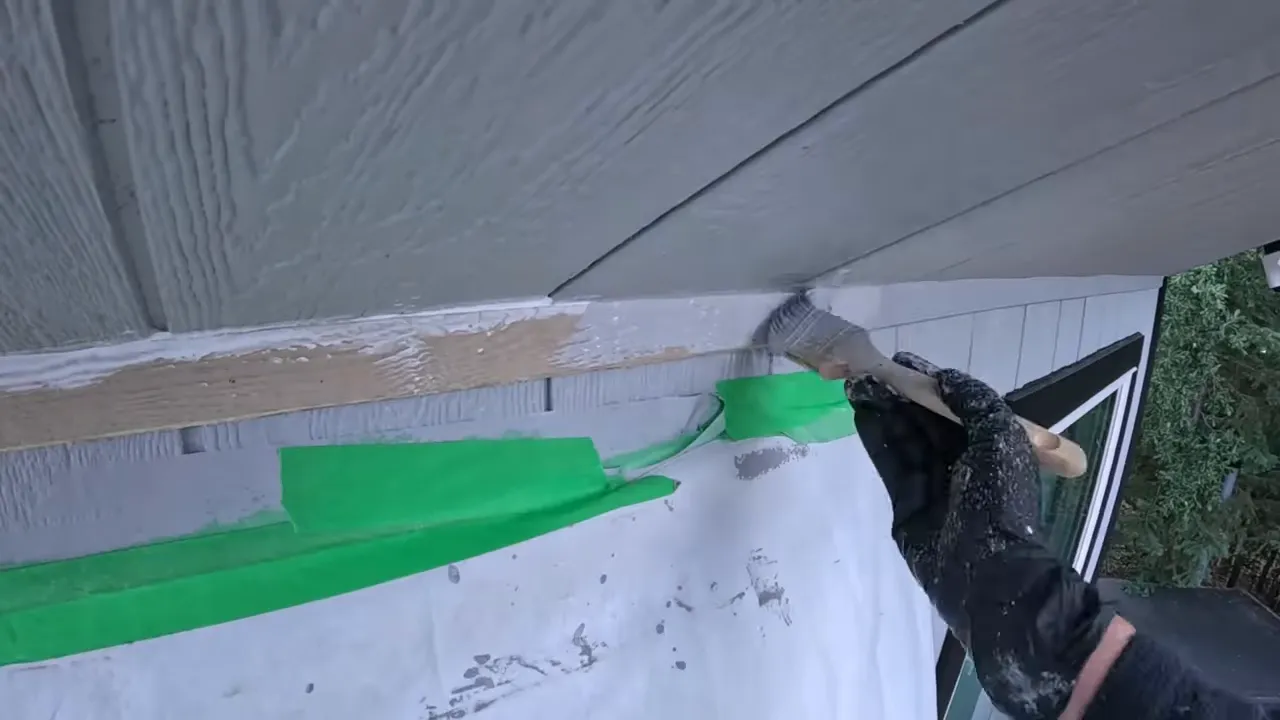
With the island suddenly quieter, the priority became clear. The front of the tiny cabin still needed its final transition piece and the last fascia board. That had been hanging over us for a while, and the weather window looked narrow enough to make everything feel rushed.
Jobs like this never sound that complicated when we list them out. Paint a piece. Fit a board. Install the trim. Done. But real building work has a way of turning one neat line item into a whole string of measuring, checking, trimming, hauling material back and forth, and then checking it all again.
That was exactly the case here. The fascia had to match up on both the lower edge and the groove, so there was no room for eyeballing it. The fit had to be right. Even using leftover siding material for the trim meant more careful cutting and more trial and error than expected.
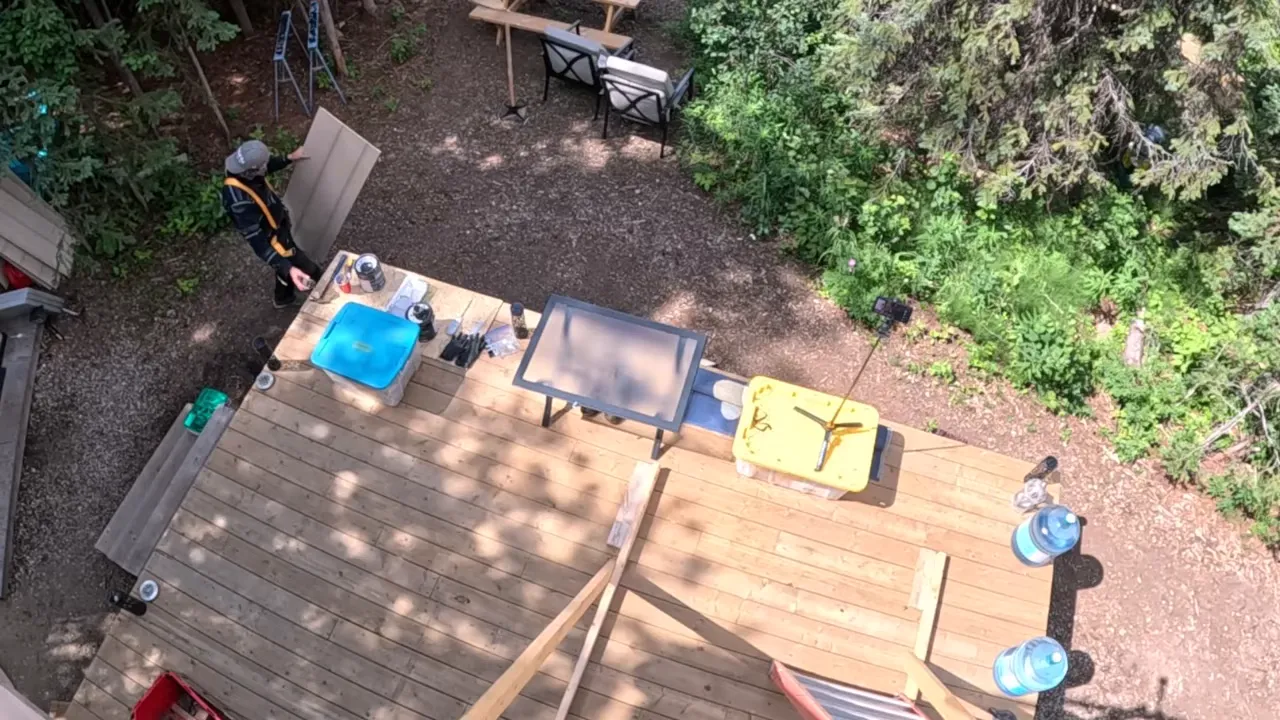
One piece did not work. That meant another walk to the saw, another cut, and another attempt. When the saw is a long distance from the actual install point, every adjustment gets magnified. What should be a quick fix starts turning into a small workout.
Over all of this sat a sky that looked increasingly unfriendly. The clouds rolling in were enough to keep the pressure on. The plan became simple. Move quickly, get the board fitted, and get paint on it before the rain hit.
That kind of pace is familiar in Off Grid Life. You are not only building against the clock. You are building against distance, weather, terrain, and whatever else decides to show up that day.
Laying out the bunker and seeing the first warning signs
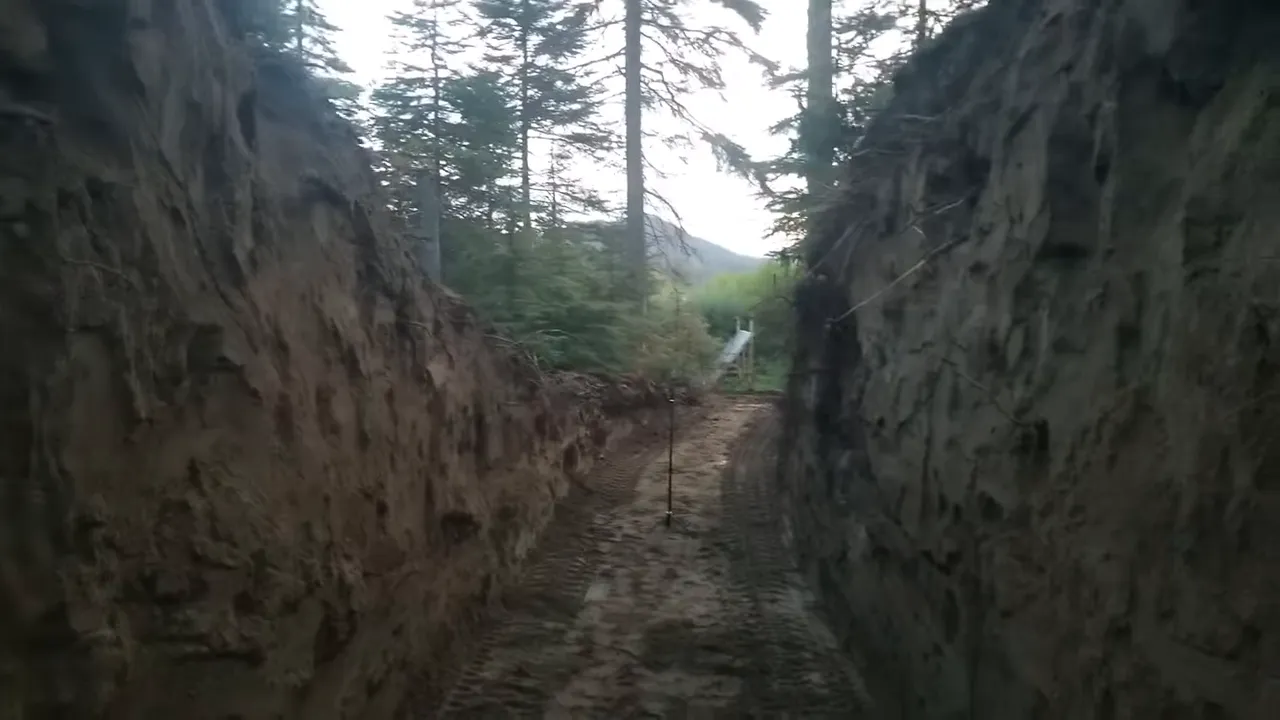
While the cabin front work was being wrapped up, the bigger project looming over the season was the battery bunker. The idea behind it was practical. We wanted protected storage through winter so sensitive gear would not freeze, burst, or get ruined by temperature swings. Batteries, liquids, and other supplies all benefit from a more stable underground environment.
The early layout made the scale obvious. The entry area had to be dug down significantly, and the excavation had to go deeper still to account for the full floor assembly. That included the base layer, insulation, and concrete slab. Once all of that is added up, the hole has to be deeper than it first appears from the surface.
The goal was to create a flat interior footprint around ten by twelve feet, with room beyond that for drainage around the outside. The simplest way to picture it was a structure sitting within a wider excavated space so water could be managed around it rather than pressing directly against it.
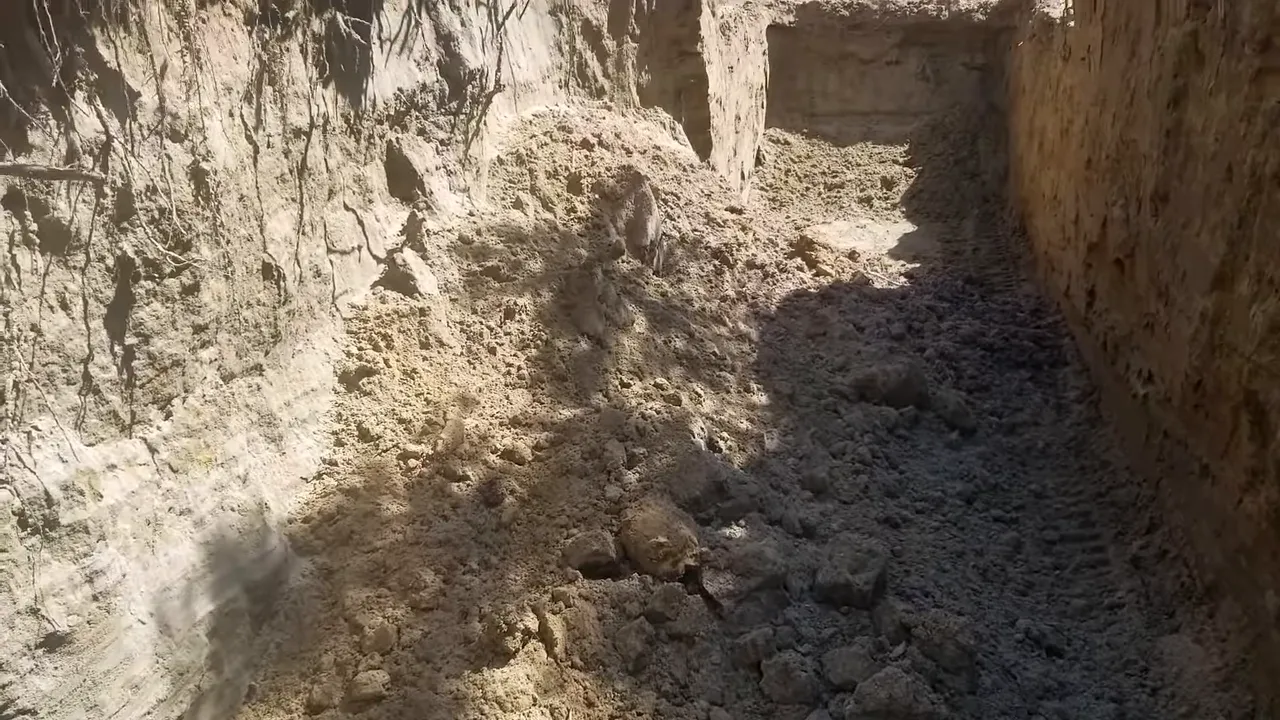
But very early on, the walls started telling their own story. Sand and clay can look stable until they are not. A small release in the wall showed that material could break loose without much warning. That changed the mood of the work immediately.
Water under the array shed added another complication. Discovering moisture where it should not be meant one more future repair to add to the list. On a homestead, one issue rarely stays in its own lane. A bunker dig can reveal a roofing job. A trim task can run into weather. Everything overlaps.
General excavation practice makes one thing very clear. Soil type, depth, vibration, water, and nearby loads all matter. This was one of those moments where the ground made the lesson impossible to ignore.
The Bird Nest front is finally done
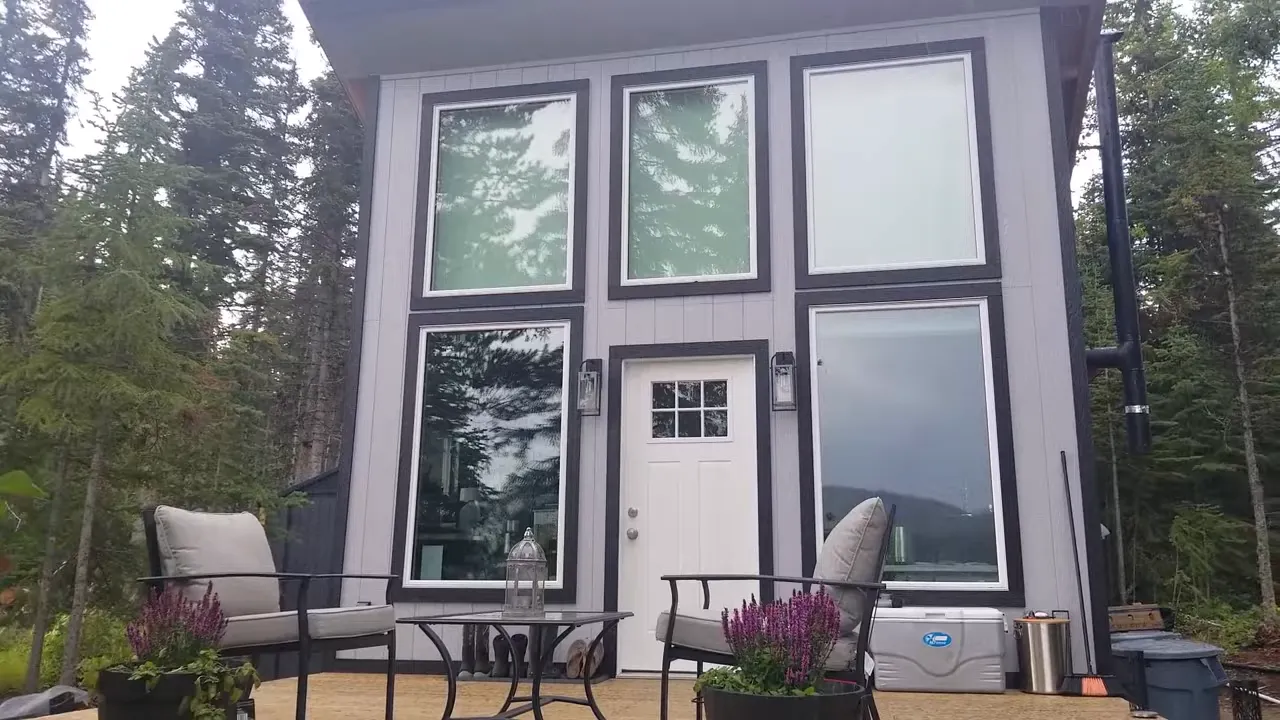
After all the measuring, cutting, painting, and racing the weather, the front of the cabin was finally complete. That felt good. There is a special kind of relief that comes from finishing a visible exterior detail that has been lingering in the background for a long time.
The scaffolding still had to come down, and even that turned into its own awkward little event. It was heavier and more cumbersome than expected, but once it was off the deck, it could be moved out of the way and lowered more safely for dismantling. Using equipment to spare our backs whenever possible is one of those small decisions that pays off over time.
After that, the cleanup phase started. Dust, sawdust, and construction debris had worked themselves into the cracks of the deck boards, and a burst of compressed air made quick work of it. Suddenly the whole front looked less like a work zone and more like the tiny cabin we have been steadily shaping.
We call it the Bird Nest, and this was one of those satisfying points where the structure really looked like itself. For anyone interested in our broader mix of tools and gear for projects like this, we keep a running list on our favorite things page.
When equipment trouble eats the whole day
Then came the sort of day that turns a simple work plan into a full detour. Pepper, the track loader, quit unexpectedly in the excavation area. At first glance the fuel gauge still showed plenty left, which made the shutdown even more confusing.
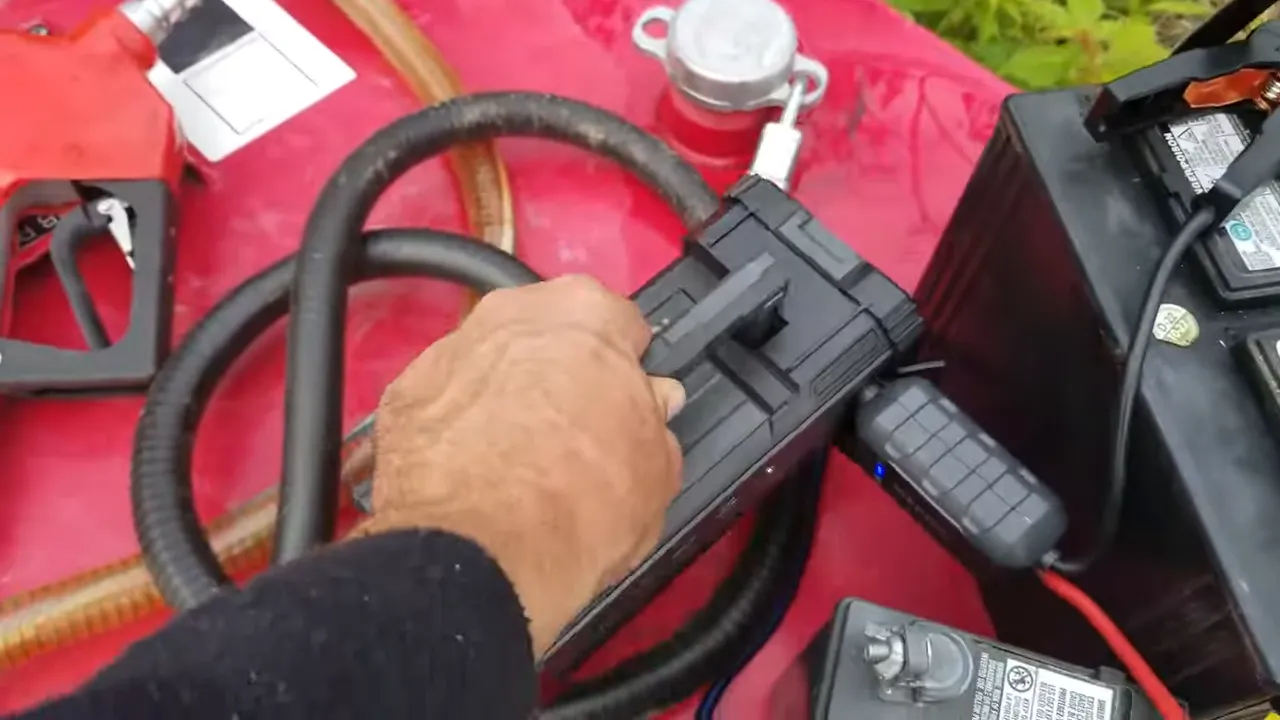
From there it became a string of little setbacks. One battery was flat. The boat battery was flat too, even though it should have been charging. That meant the backup plan was also down. So the next move was to bring in the portable jump pack and improvise a way to power a small pump and transfer diesel.
It was the kind of domino effect that anyone living remotely will recognize. One issue on its own is manageable. Two or three stacked together can consume an entire day before any real progress resumes. That is a very real part of Off Grid Life, especially when your equipment is spread out and your support systems are limited by what you have on hand.
Once fuel finally got into the machine, it did restart after some effort. That pointed to a false gauge reading or a fuel supply issue that left the system dry and needing to prime itself again. Even once it was running, the machine did not seem to have its usual strength at first, which only added to the uncertainty.
Then another snag appeared. A fuel hose was leaking, though thankfully the issue seemed limited to the hose itself rather than something more serious. Hold it one way and it leaked. Hold it another and it did not. That was irritating, but at least straightforward to identify.
By the end of all that shuffling with batteries, cans, and hoses, very little actual excavation had been completed. Some days are like that. You spend all your energy just recovering the ability to work. For folks interested in following the whole story from the beginning, the Season 1 playlist shows how this homestead started taking shape.
Digging deeper into the bunker and rethinking the walls
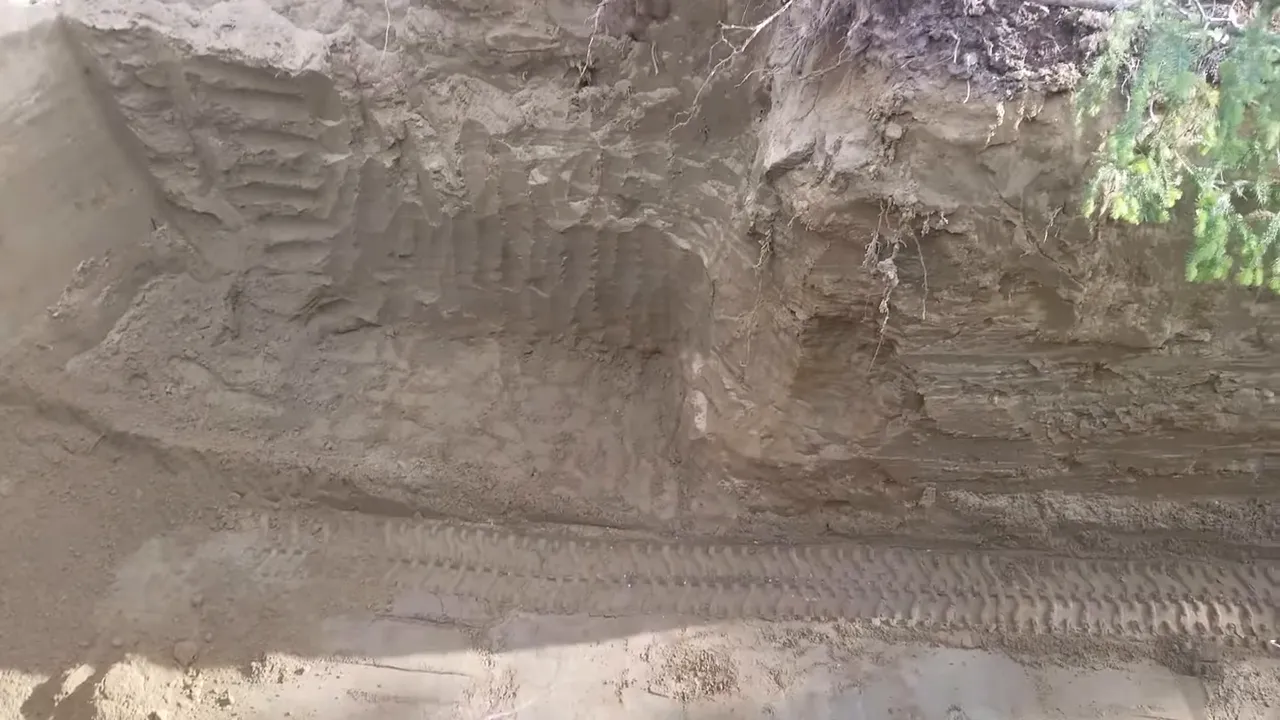
When the digging resumed, the deeper purpose of the bunker came back into focus. The aim was not just to make a hole. It was to create a stable, usable underground space with enough mass around it to help moderate temperature through both summer heat and winter cold. That is one reason underground storage has long appealed to people interested in homesteading Canada and remote living.
At full depth, the scale was easier to appreciate. The floor assembly still had to go in, and the surrounding ground was expected to contribute to the bunker’s insulating effect. On top of that, room had to be left for drainage around the perimeter. That wider excavation was part of the concept from the start.
The work also became more methodical. Hand digging was used where the machine could not safely refine corners or where a more delicate touch was needed. That slower pace was not wasted time. It helped define the work area, clear loose material, and make progress easier to read. Sometimes cleaning the site mentally clears the work as much as physically clearing it.
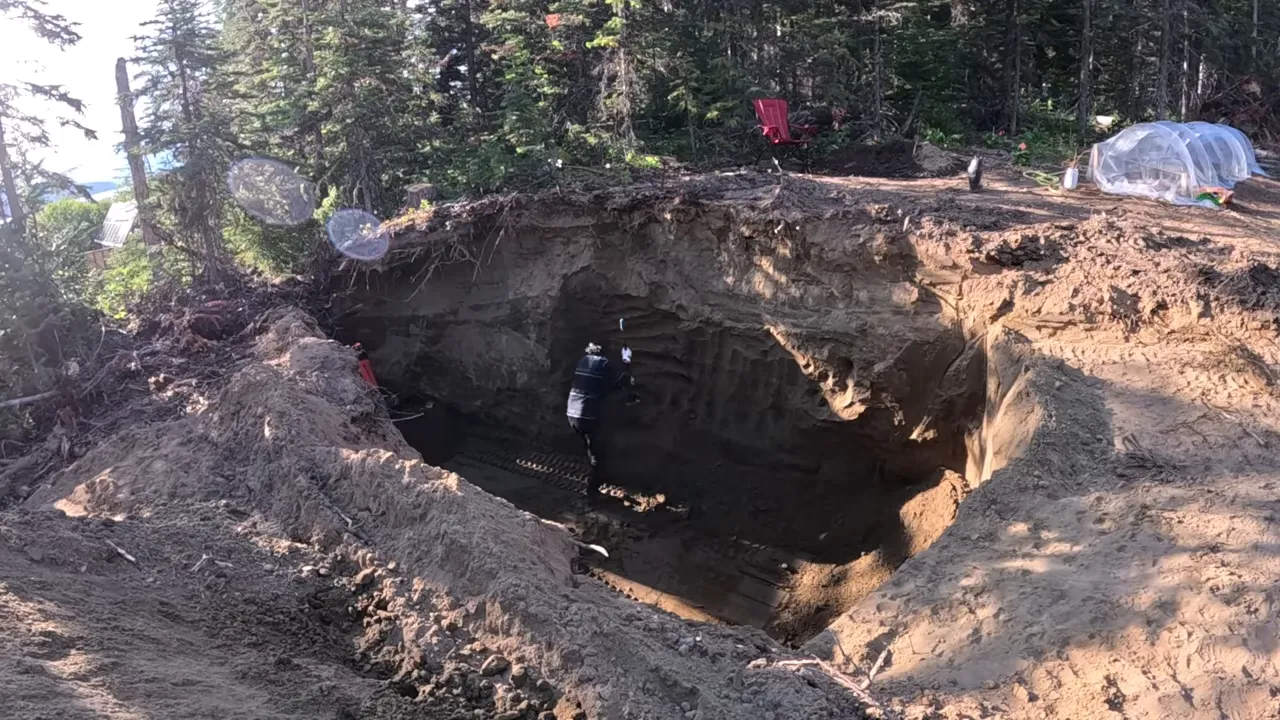
As the excavation grew, it became obvious that the upper portions of the walls would need to be sloped. A straighter, more vertical face is much more likely to break away in larger chunks. A sloped face tends to reduce how much material comes down at once. Even the natural slides that did happen started to show this. When the wall gave way on a slope, it was less alarming and sometimes even helped move material that would have needed to be removed anyway.
There was also the need to stay aware of overhangs and root masses near the top edge. Some sections behaved almost like a lip hanging out over the void, and those areas demanded distance and attention. The machine itself introduced vibration, which could trigger additional movement in the soil. When cracks appeared, the best response was to work them down on purpose rather than pretend they were not there.
This is where the reality check really landed. It was not just about digging harder or moving faster. It was about recognizing that the ground was active, changeable, and not interested in our schedule. For people drawn to remote cabin living and independent build projects, that is an important lesson. Nature does not care how committed we are to the plan.
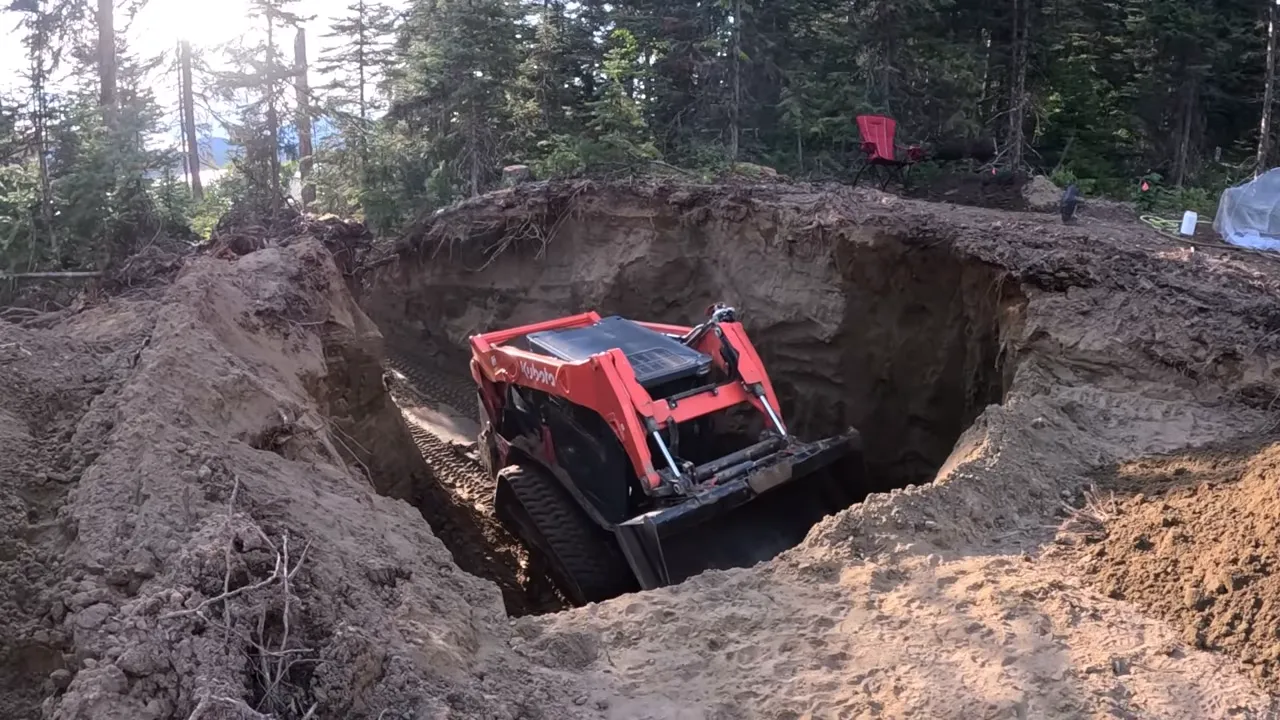
Eventually there was enough room for Pepper to move and turn more effectively in the hole, which made shaping the perimeter and refining the slopes much easier. The spoil piles grew. The corners were squared up. Tougher clay bands were carved out. Piece by piece, the bunker footprint started looking more intentional and less like a raw cut in the earth.
That does not mean the day went perfectly. It means the work progressed in spite of the interruptions, the stormy weather, the false starts, and the constant need to reassess. That is a fairly honest snapshot of Off Grid Life. It can be deeply satisfying, but it has a way of correcting overconfidence very quickly.
Calling it for the day
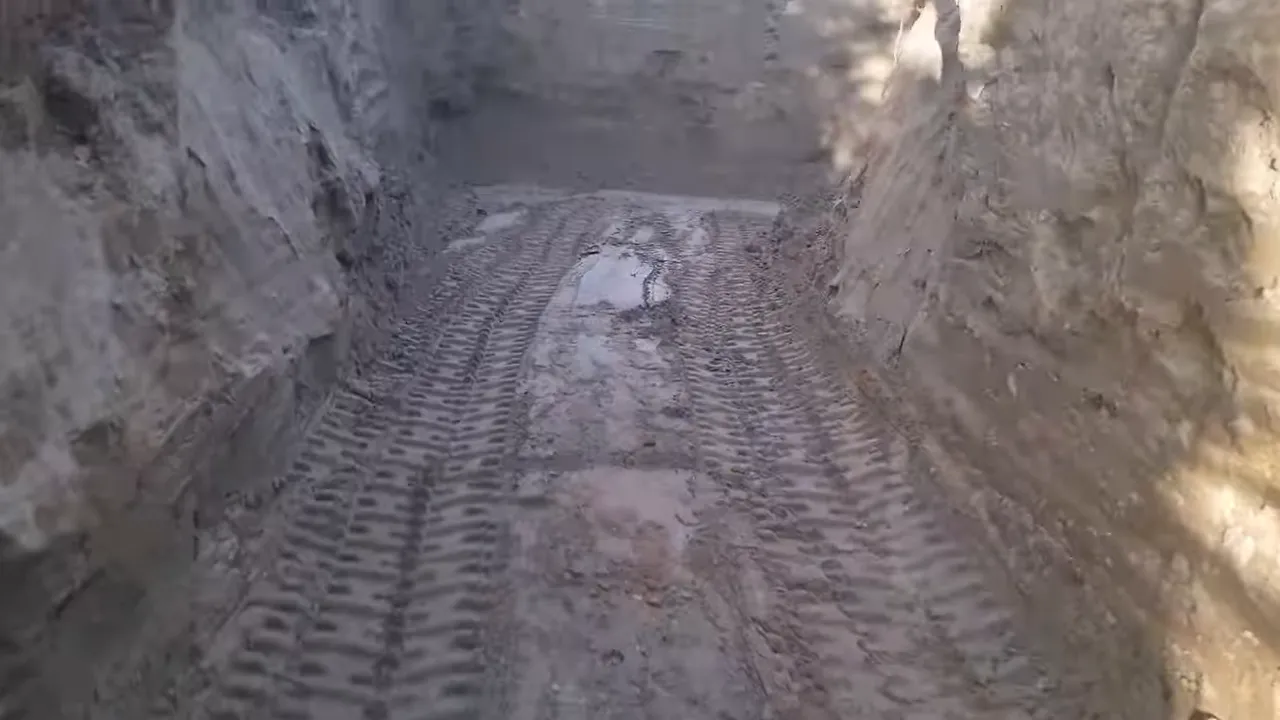
By evening, enough had been done to step back and assess the progress. The site was more defined, the bunker shape was clearer, and there was at least some satisfaction in seeing a hard day produce visible results.
There is also a physical side to days like this that cannot be ignored. Repetitive labor, climbing, digging, hauling, and working around machinery all add up fast. But there is a certain rhythm that develops when physical work becomes normal. The body adjusts. Recovery gets easier. And as long as we keep moving, we tend to feel better overall.
Even so, knowing when to stop matters. Not every day ends with a neat finish. Sometimes the most sensible move is simply to call it, leave the site in the best shape possible, and come back with fresh energy the next day.
That was the feeling here. The site supervisor, Opal, gave the place a once over, and the day was done. If you want to keep up with what we are building and sharing beyond the videos, you can also find us through our community links like our Facebook page and the rest of the My Wild Holm channels as they appear with each episode.
Hashtags: #OffGridLife #OffGridCabin #OffGridHomestead #BatteryBunker #RemoteCabinLiving #HomesteadingCanada #MyWildHolm