Off Grid Life: We Bought an Island in Canada – 3 Years Later, Here’s What We Built!
Step into off grid life on a remote Canadian island — wild, unpredictable, and breathtaking. We’re building our dream from scratch : cabins, solar power and filtered water systems, plus warmth in a place where nature always has the final say. Our videos are unscripted, and unfiltered — just real off-grid living in its purest form: Adventure, resilience, and a little bit of chaos — Welcome to My Wild Holm!
Table of Contents
- We Bought an Island (Sight Unseen) — 3 Years Later
- Boat Ramp Cleanup and Float-Grading
- Pollen Season: Tap Water Test
- Off Grid Water System Walkthrough
- Cutting and Hanging Smart Panel Siding
- Bug Season Begins and Mosquito Management
- Land Clearing Win and Orchard Expansion
- Opal Zoomies and What’s Next: Battery Bunker
- Sources and Notes
We Bought an Island (Sight Unseen) — 3 Years Later
Three springs in, and we still get the same thrill every time we cross the lake. The old barge we rescued has hauled everything from building supplies to the 10,000-pound track loader we call Pepper. She is salt-of-the-earth workhorse material, and she deserves a proper paint job before next season.
Boat Ramp Cleanup and Float-Grading
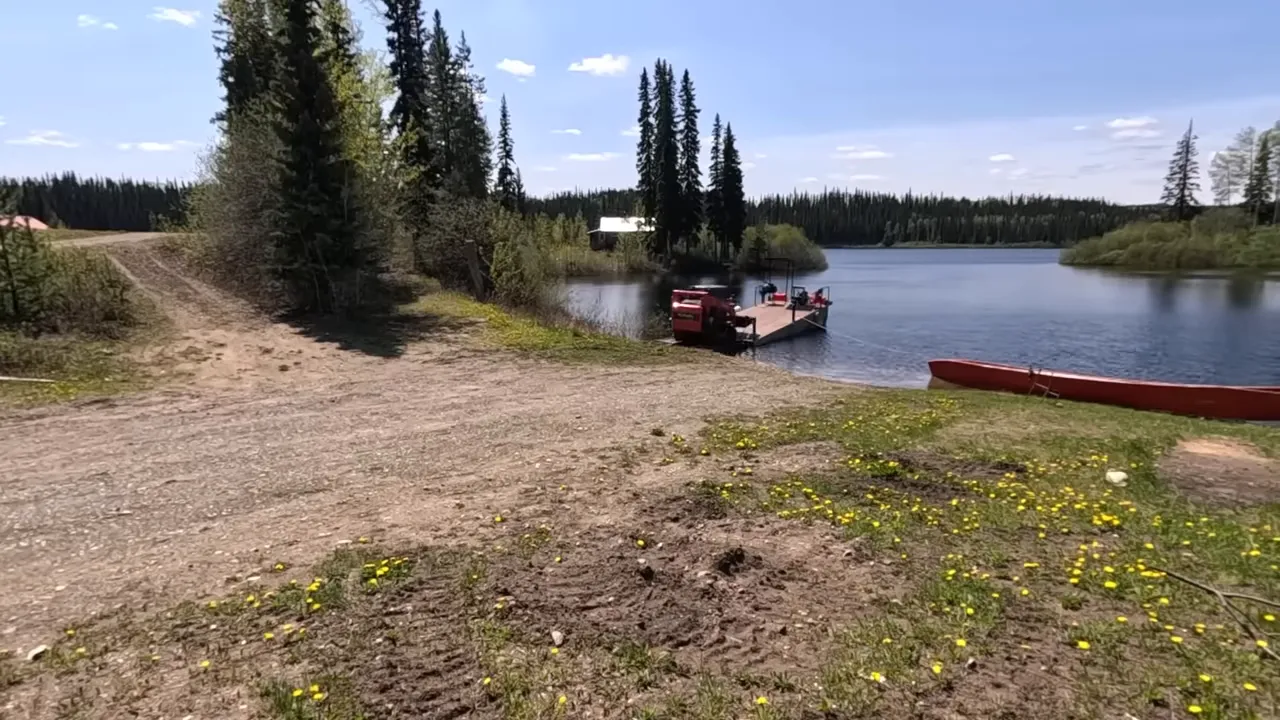
We try to leave no trace. Before heading back to the cabin we tidy the public boat launch, smoothing out track marks with the loader bucket floated on the lift arms. Float-grading avoids gouging the ramp, gives a rough finish that’s easy to rake out, and is respectful to other users of the lake.
Pollen Season: Tap Water Test
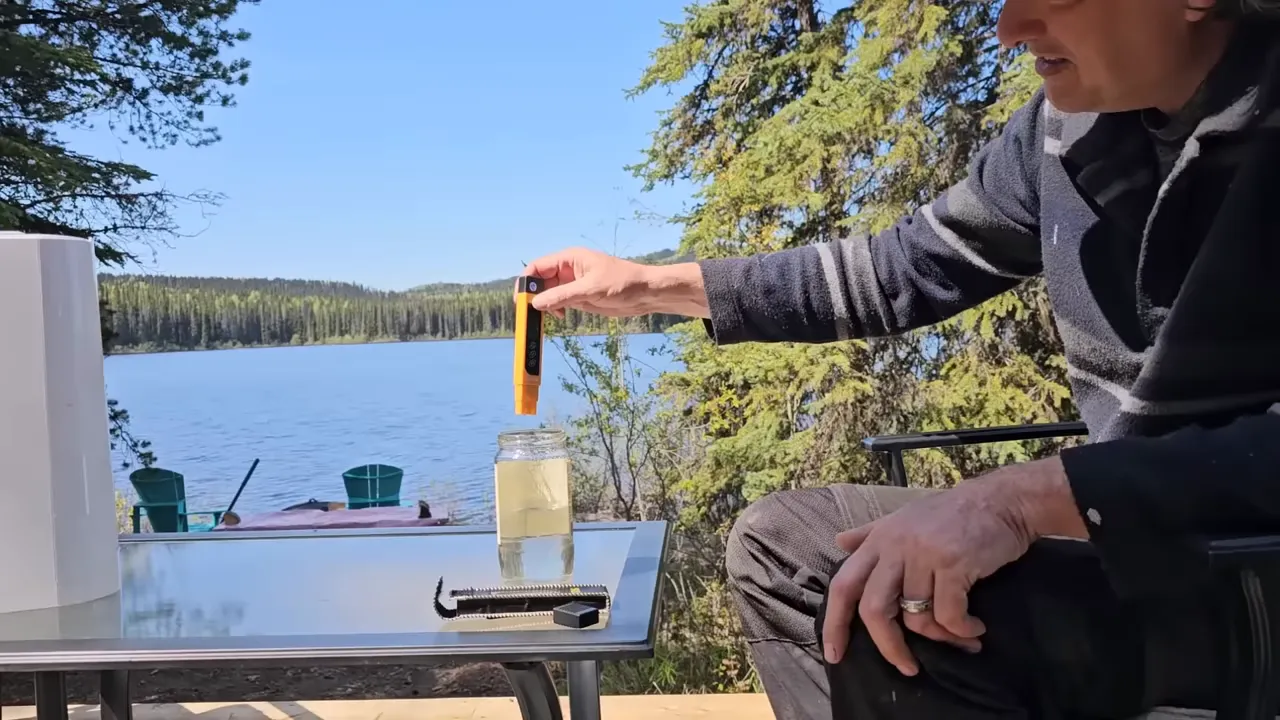
Spring pollen turns the surface of the lake milky, so we tested how our system handles it. The water coming from our taps after filtration measured at 40 parts per million total dissolved solids. That reading makes us confident the water is safe to drink without a reverse osmosis system.
Off Grid Water System Walkthrough
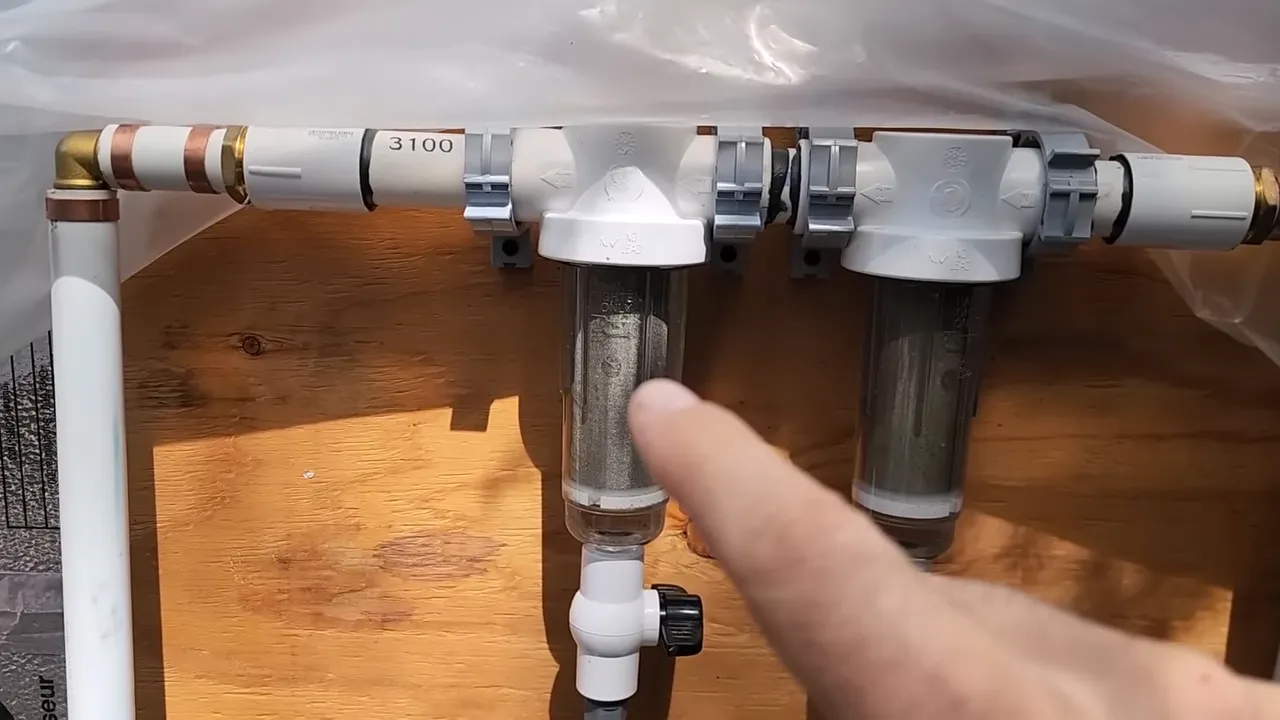
Here’s how the water flows: intake from the lake into our pressure tank, then through sequential filtration — a 500 micron spin-down, a 140 micron spin-down, a 25 micron big blue sediment filter, and finally a carbon block. The carbon block is the reason our final TDS is slightly higher than raw lake water. After filtration, a UV sterilizer eliminates pathogens like Giardia. This setup gives practical, reliable OffGridDrinkingWater for daily use.
Cutting and Hanging Smart Panel Siding
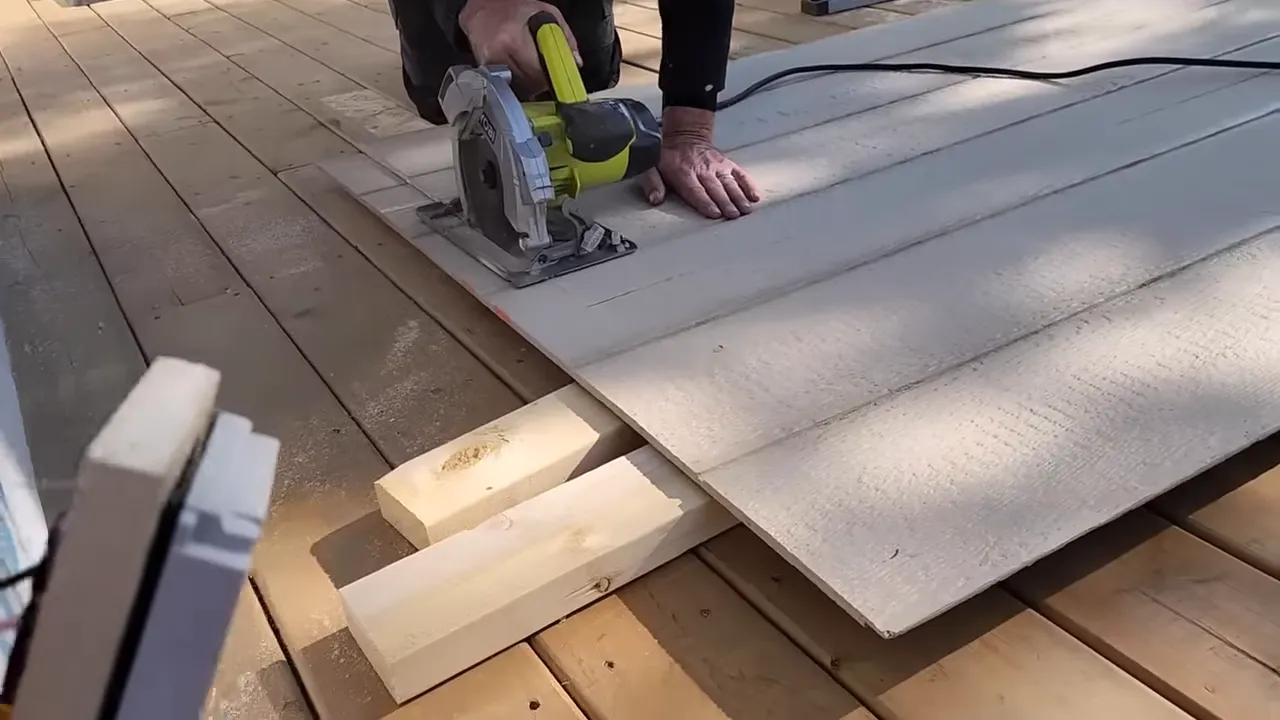
We chose 1/2 inch Smart Panel from Home Depot for speed and appearance. Its rabbited edge creates a continuous board-and-batten look when fitted. Working on the deck makes cutting long trim pieces easier, and using a small oscillating cutter gave us precise outlet openings without the bounce of a jigsaw.
For the door trim we rabbited the combed face so the siding tucks beneath it, giving a clean finished look. Off-grid exterior work always requires a little extra planning for long fasteners and for preserving electrical grounding. Our outlet trim needed longer bolts and, when we ran out, a quick MacGyver fix with glued wood shards made the screw holes bite again.
Bug Season Begins and Mosquito Management
Early spring means no-see-ums, mosquitoes, and flies. Our Mosquito Magnet is small but massive in impact. When it is on, the site is tolerable and productive; when it is off, we are putting on veils and calling it a day.
Land Clearing Win and Orchard Expansion
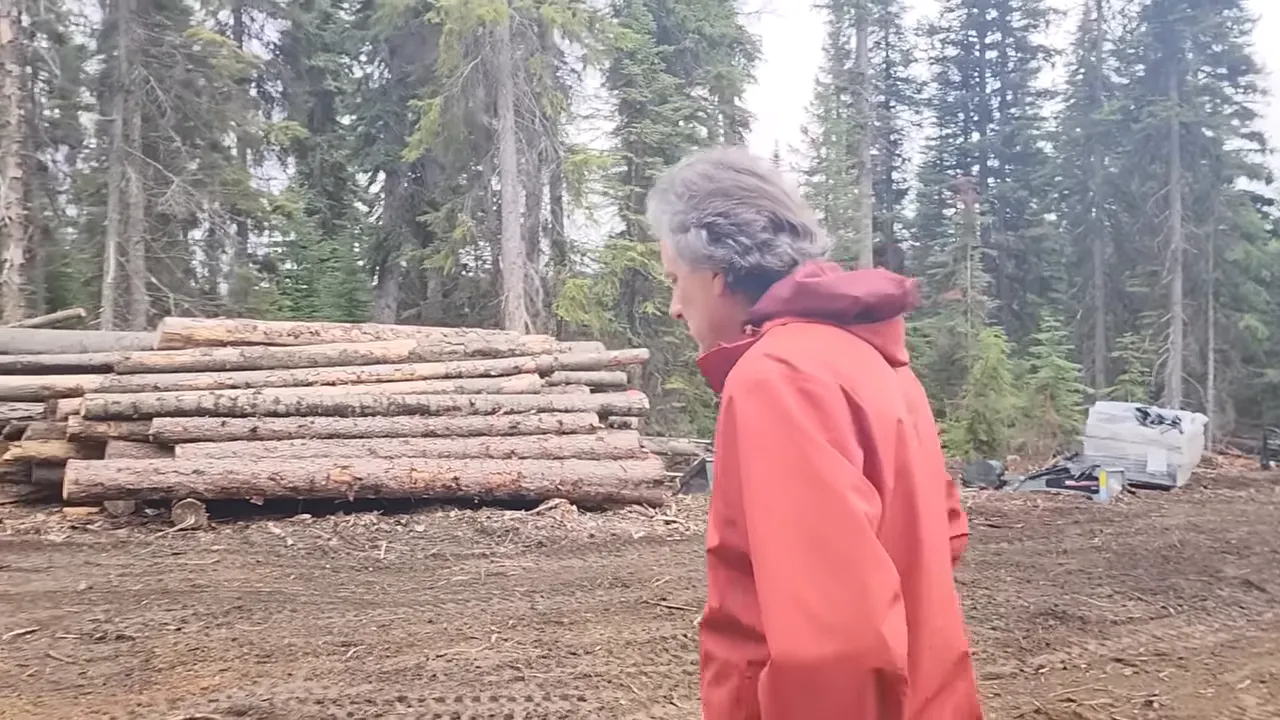
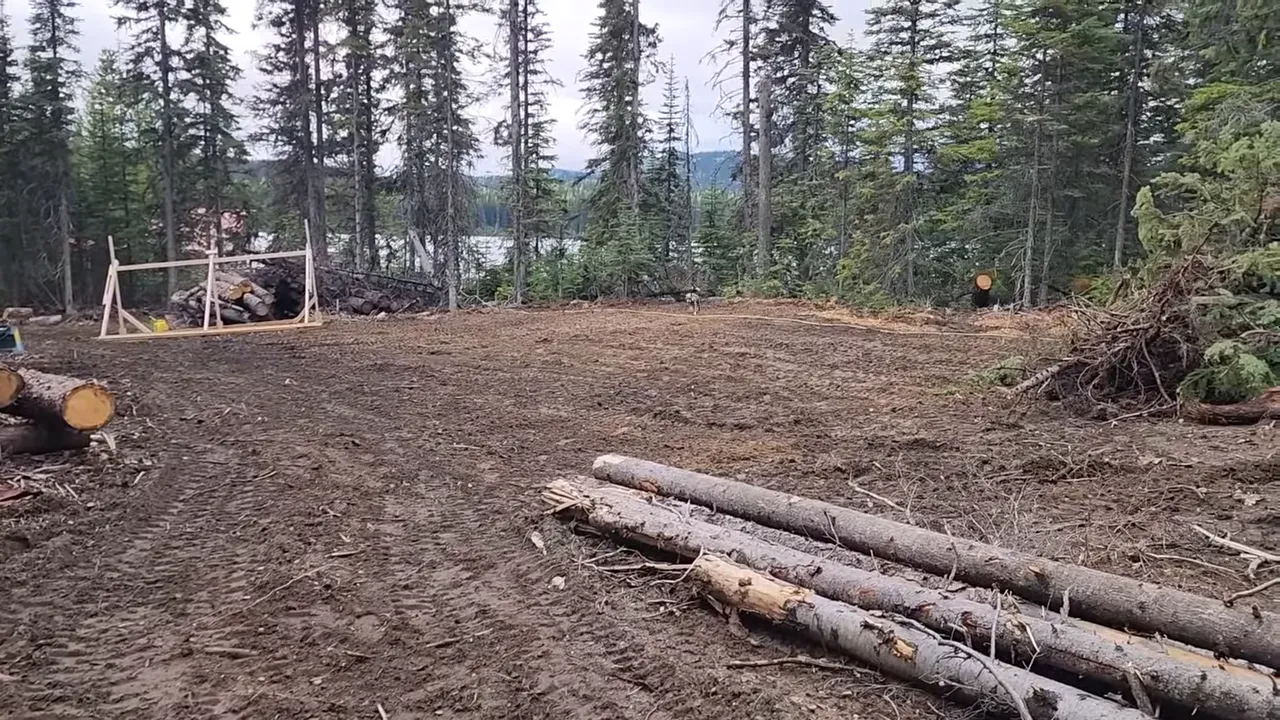
We cleared stumps, shifted logs, and opened up space to move the orchard down to the base of a hill. The goal is better access with Pepper and more productive spacing for the grapes, raspberries, blueberries, and newly planted fruit trees. Early bud checks showed promise on many of the trees, but some will need protection from nibblers — we plan to bag and water as needed.
Opal Zoomies and What’s Next: Battery Bunker
Opal’s quick clean-up and celebration zoomies are the small joys of island life. With the siding nearly finished, our next major task is building a safe, permanent battery storage bunker so we stop hauling our batteries off the island each winter. That will move us closer to long-term SelfReliance and make our off-grid power system easier to manage.
Tools, Gear, and Where to Find Them
On-site power came from a portable Bluetti station that ran saws and charged phones quietly. We also relied on basic hardware store supplies, Smart Panel siding from Home Depot, and our Mosquito Magnet pest controller.
Where to Shop & Socials
Some of the gear we use and mention: Bluetti power stations, Smart Panel siding available at Home Depot, and Mosquito Magnet units. For shopping and gear lists see our favorites and Amazon store pages (My Wild Holm favorite things and Amazon store).
Social links we use include Facebook, Instagram.
For product info check the Mosquito Magnet pages at woodstreambrands.ca.
Tags: #OffGridLife #OffGridLiving #OffGridCabin #SelfReliance #TinyCabin #RemoteIslandHomestead #OffGridDrinkingWater #BluettiPowerStation #OffGridSolarPower #MyWildHolmestead