Wilderness Island History Revealed — As Told by One of Its First Children
This trip back to the Island was pretty rough, but a wonderful surprise awaited us! One of the highlights of this trip was meeting Beverly, who grew up on Bird Island and hearing stories about rafted logs, an orange jeep hauled across on a log barge, peanutty childhood treats, peeling logs for the smokehouse, and berry picking. Her memories tied our work to the island’s human history and deepened our appreciation for the place we now steward.
Table of Contents
- Ferry Chaos & Propane Limits
- Meet Subscribers & Trailer Logistics for Pepper
- Tim’s Run and the Extra Trip to the Island
- Winter Wonderland in Late May
- We Recovered Our Keys — A Small Miracle
- First Morning Back in the Cabin
- Mystery Critters Invade the Homestead
- Pepper to the Rescue — Hauling & Offloading
- Precious Memories From a Founding Family Member
- Final Crossing and What Comes Next
Ferry Chaos & Propane Limits
We rolled into the ferry terminal loaded to the gills—four propane tanks, a trailer full of crates, and the usual nerves. Provincial ferry rules meant we couldn’t transport everything we intended, so we played musical tanks until we squeezed aboard as the very last vehicle. It was stressful, but part of practicing true offgridliving is anticipating odd regulatory details and improvising when plans change.
On the road we talked about safety upgrades—bigger trailers to meet the 50% GVW restrictions and better tarping—and we reminded ourselves why we keep doing this: to live simpler, to build a durable homestead, and to keep learning. This season we’re focused on smarter logistics for our remote island homestead.
Meet Subscribers & Trailer Logistics for Pepper
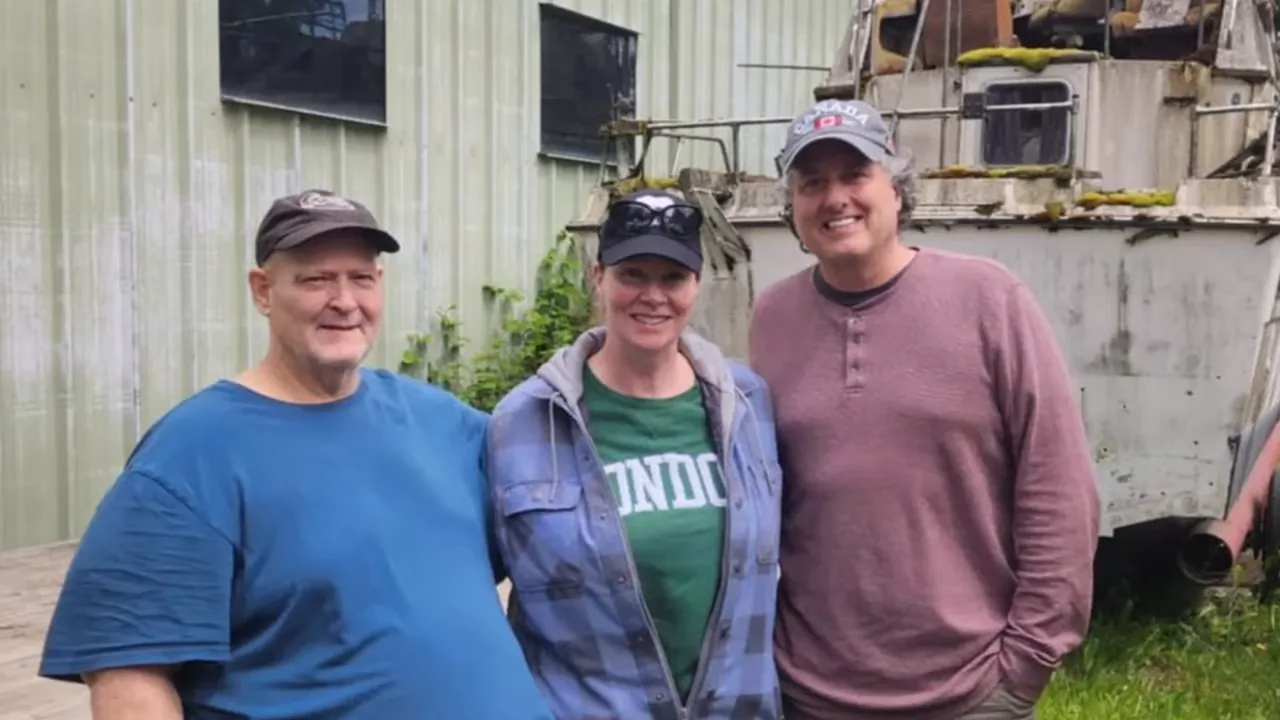
One of the best parts of this life is the people we meet. A subscriber, Colin, fabricated a slipper to help us move equipment with a hitch—small acts that make a huge difference. We also stayed with local supporters who offered us food, stories, and a reminder that community matters even when living remote.
Because of a spring road ban we needed a higher-rated trailer to legally move Pepper, our Kubota track loader. We solved that by finding a trailer rated for twice Pepper’s weight so we only use half its capacity—legal and safer for highway travel. This is real-world homesteading logistics: plan, adapt, and move forward.
Tim’s Run and the Extra Trip to the Island
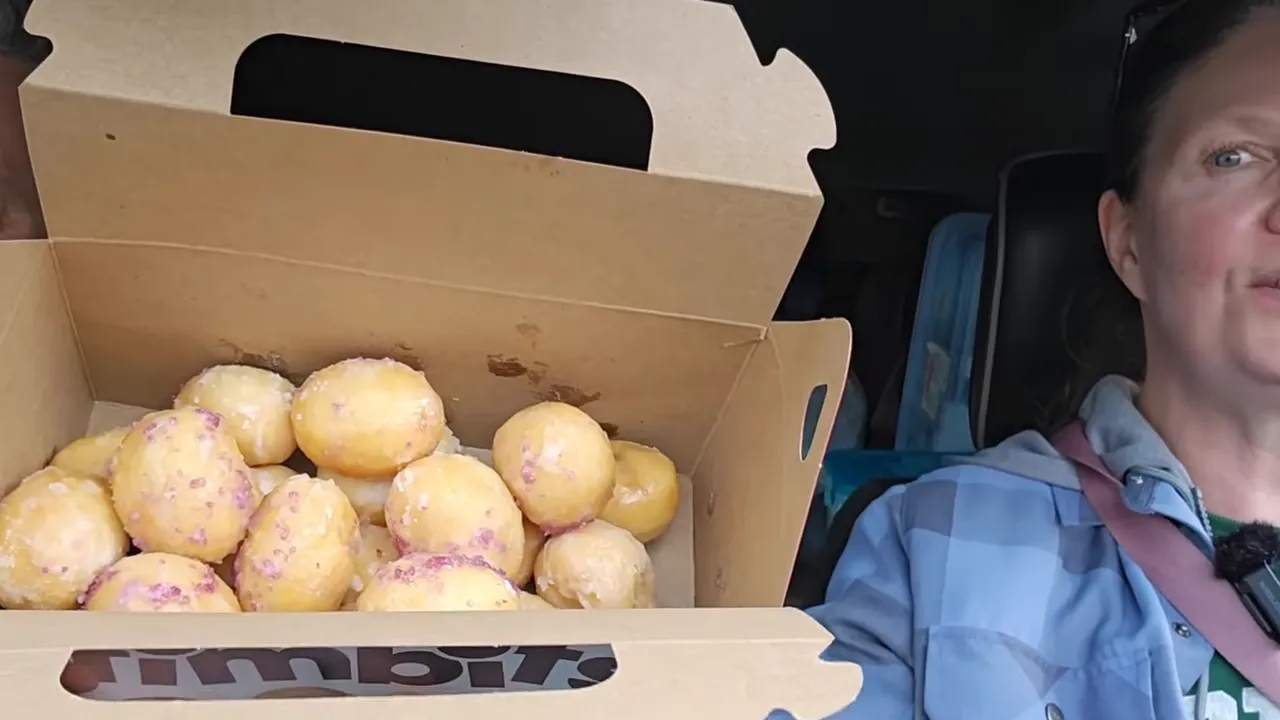
We paused for a quick Tim’s run (yes—timbits are a thing here) and refueled the big diesel tank at the best price we’d seen in a long time. Then came the inconvenient reality: we couldn’t get Pepper out at the same time as the rest of our gear, so we scheduled two crossings. That meant careful packing into sturdy crates and some extra miles—but those crates saved us from losing gear and kept everything dry.
Every trip like this reinforces the value of preparation: crates, button-rocks to hold tarps when grommets fail, and a Gorilla Cart for hauling once we hit shore. Those small investments pay back in reduced downtime and fewer surprises.
Winter Wonderland in Late May
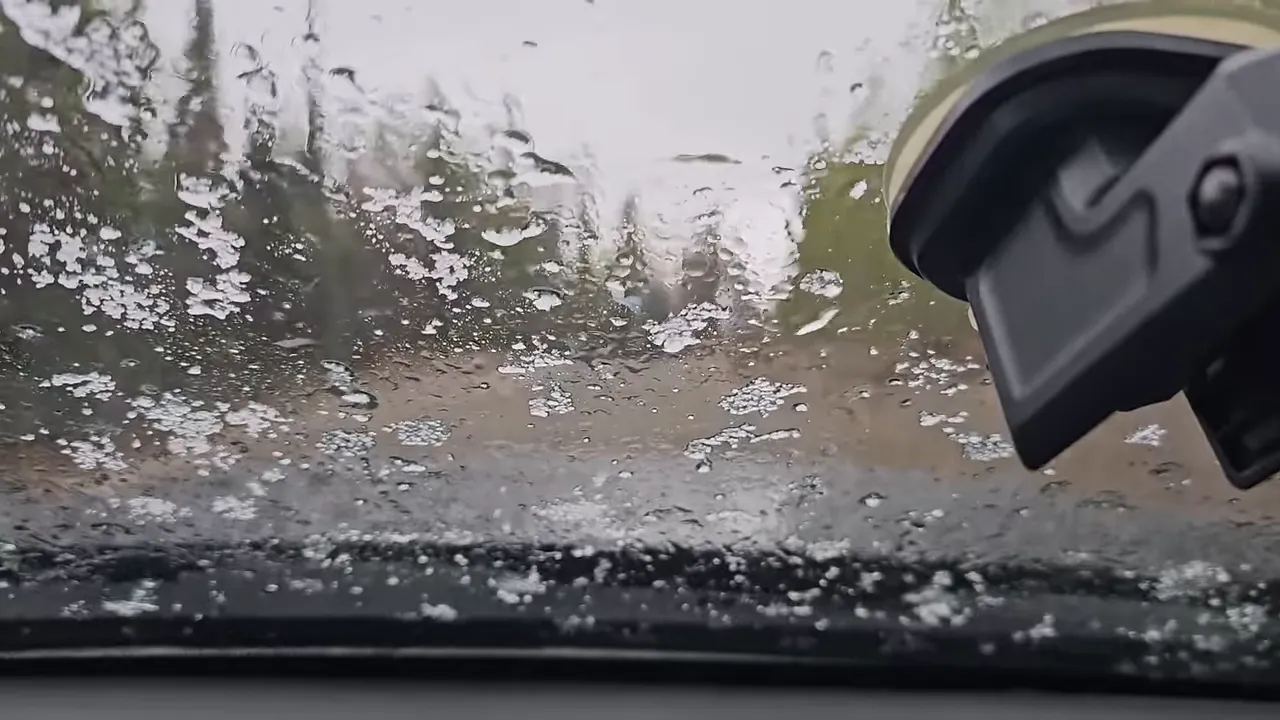
Arriving on May 21 felt like a winter cameo—chilly nights, lingering frost, and a sky that switched fast from storm to clear. The greenhouse and solar array both survived the off-season, which was a huge relief. It reminded us to winter-proof systems as we continue work to make the place functional year-round.
We spent time assessing the island: high water levels, thawing silt at the launch, and beaver activity that had reshaped shoreline trees. It’s part of living in the Canadian wilderness—nature is dynamic and we design our plans to accommodate that.
We Recovered Our Keys — A Small Miracle
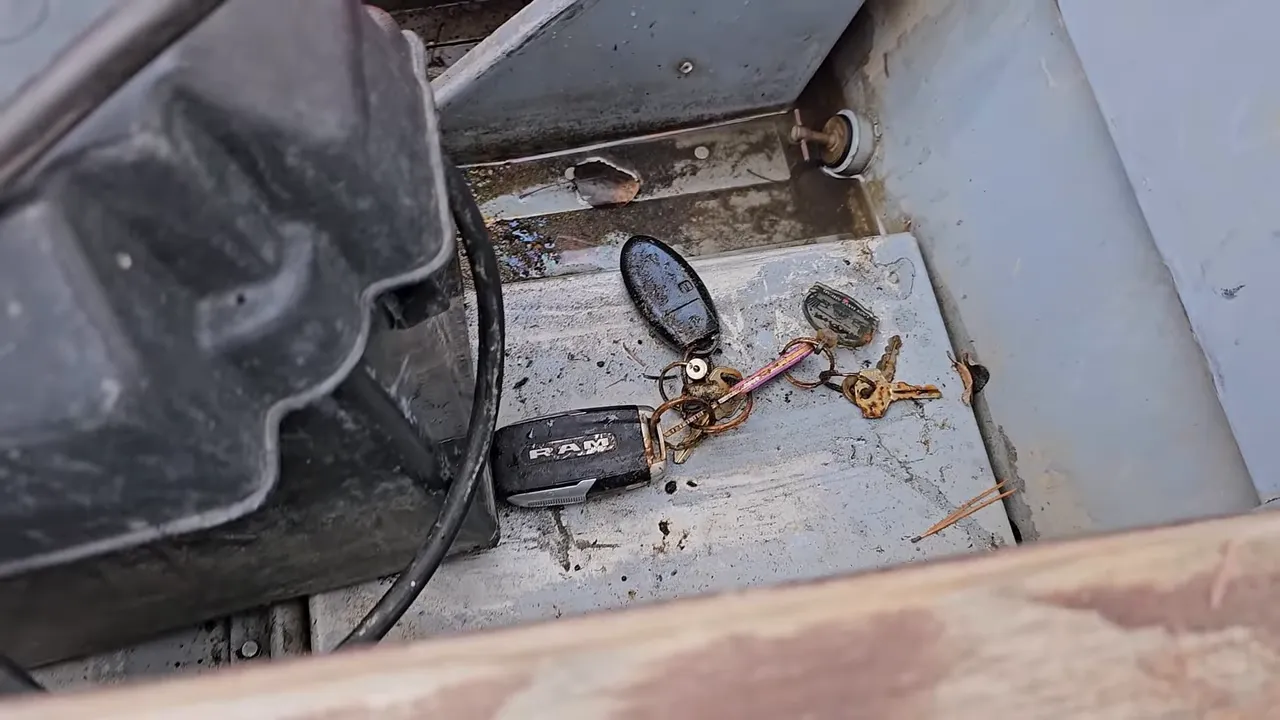
Remember the keys we thought were lost last season? Miraculously, we found them—caked in rust like artifacts from the Titanic. It was unbelievable and emotional, and it solved a logistical headache that had haunted us since the end of the prior season. A spare set in a briefcase and a weak battery had gotten us out of a sub-zero night before, but finding the originals put the mind at ease.
This kind of small victory is emblematic of homesteading: the wins are practical and they lift the spirits in equal measure.
First Morning Back in the Cabin
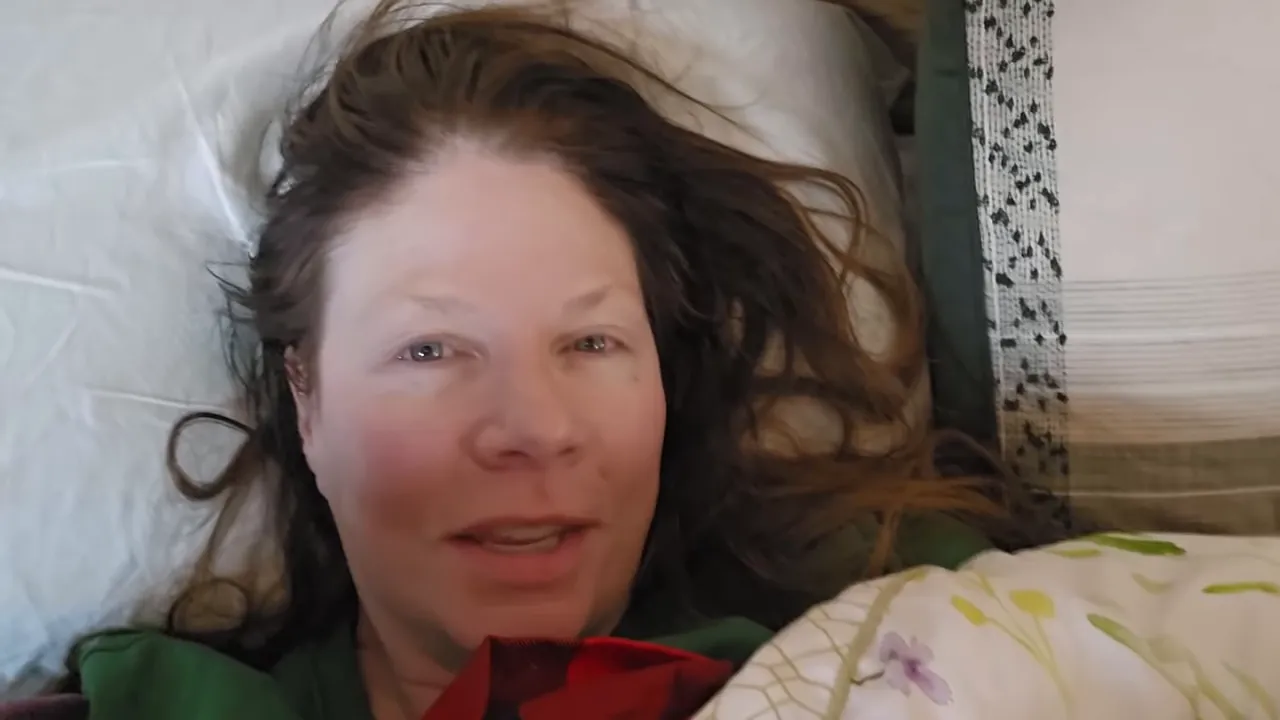
Our first morning back included a modest ritual: build a fire, breathe in the pine-scented air, and take stock. The cabin was chilly after a night in clothes and boots, but lighting a first-season fire felt like turning the page to a new chapter. We’ll be finishing the cabin for cold-weather readiness and hope to test a winter stay soon.
We also set up a small sitting area to pause between tasks—because this life is as much about presence as it is about productivity.
Mystery Critters Invade the Homestead
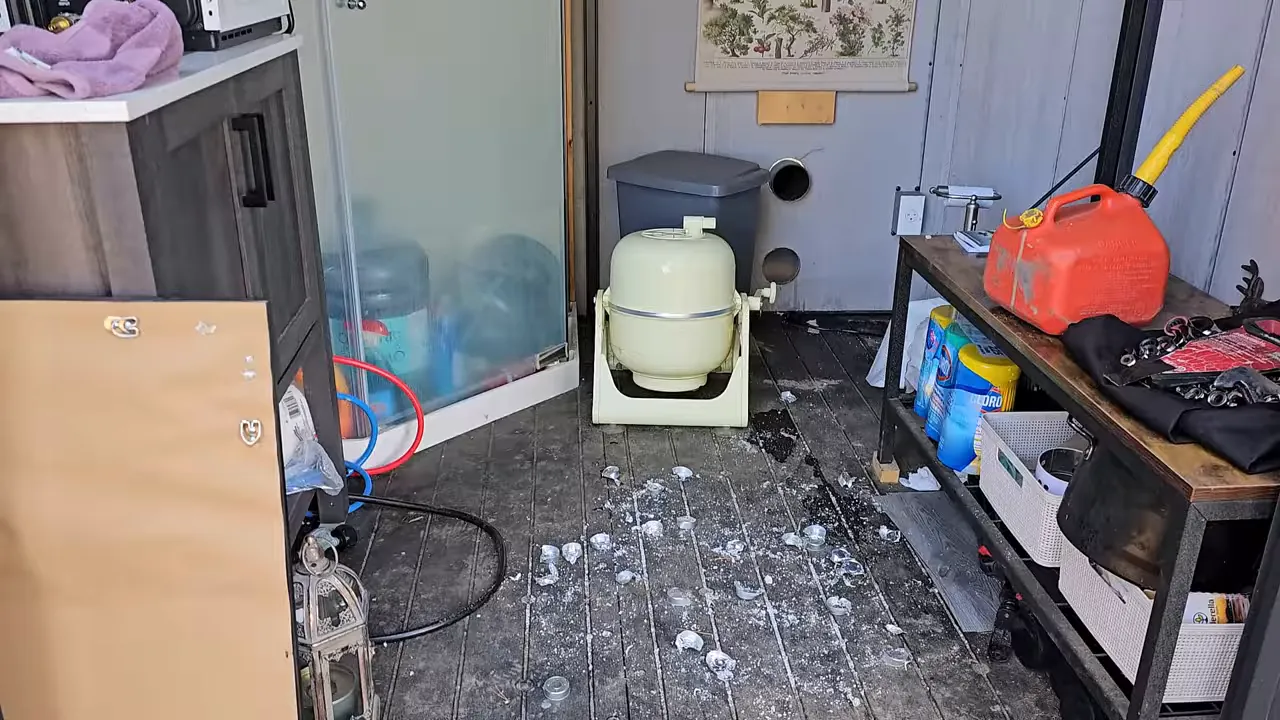
One odd discovery: every tea light in our stash had been shredded, and something small had come in through the incinerator hole. Squirrel? Rat? We aren’t certain. Whatever it was, nothing else had been touched. We cleaned up, sealed that incinerator intake, and made a note to check food and candle storage more carefully. Learning to be diligent about critter-proofing is part of life on an island homestead.
We also found signs of beaver activity—downed trembling aspen turned into logs. The beaver’s work is a reminder that this land was here long before us and will continue to change with the seasons.
Pepper to the Rescue — Hauling & Offloading
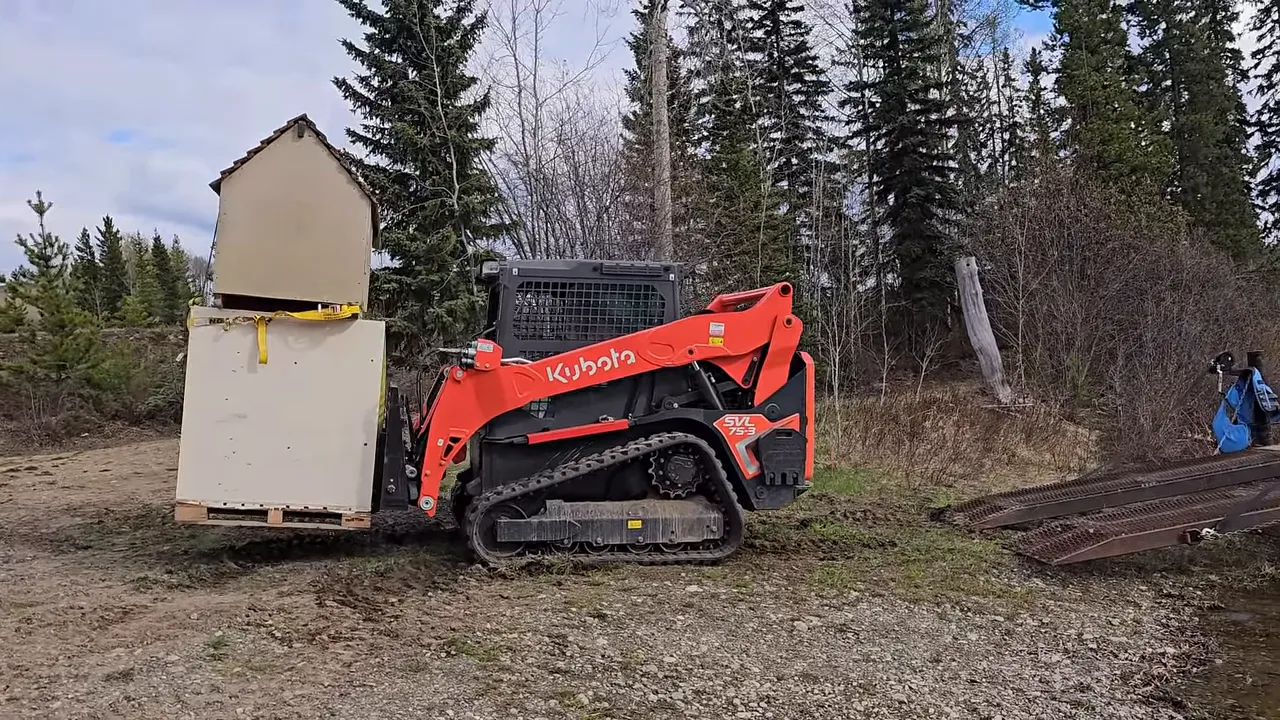
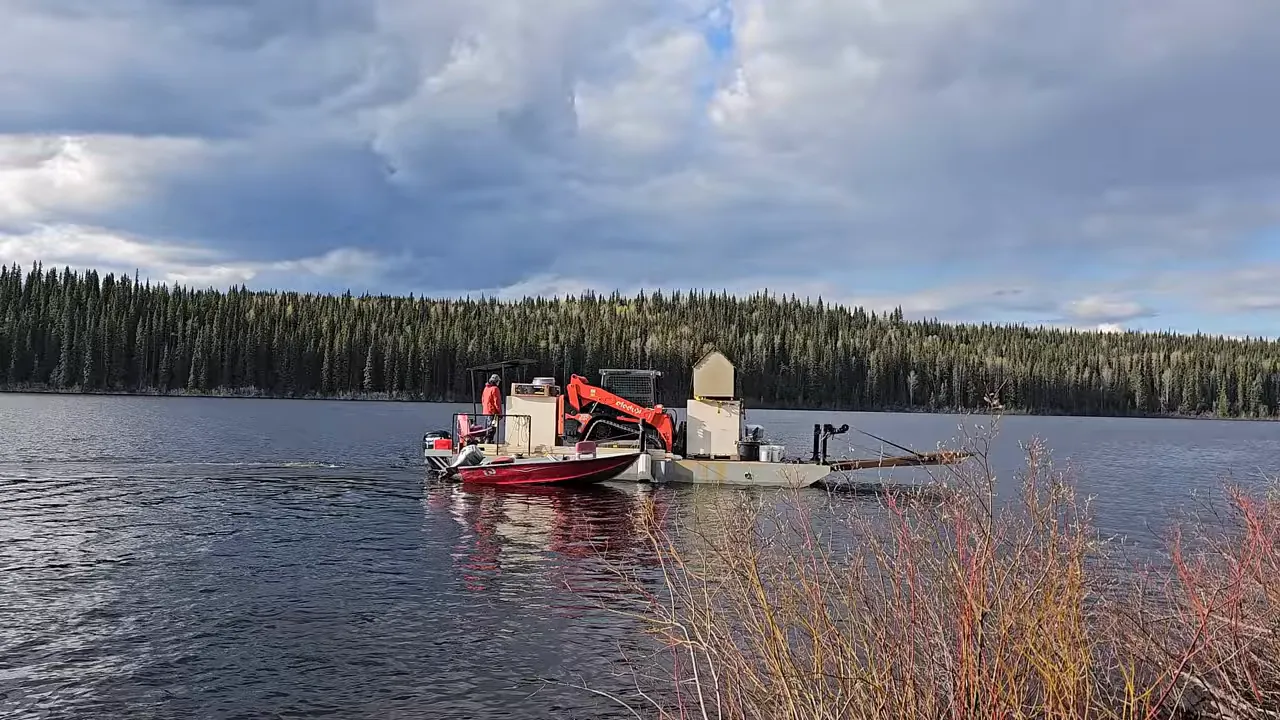
Pepper is essential to our operations. We used him to move heavy crates and even Opal’s surprisingly heavy dog house. Loading the barge required constant rebalancing—Pepper’s weight reduces cargo capacity but also makes otherwise impossible lifts feasible. We strapped loads carefully, affixed plywood to protect doors, and learned to position weight toward the back to stabilize the barge.
Those practical moments underscore why we invest in the right tools: a well-used loader, proper ratchet straps, and creativity when ramps or grommets fail.
Precious Memories From a Founding Family Member
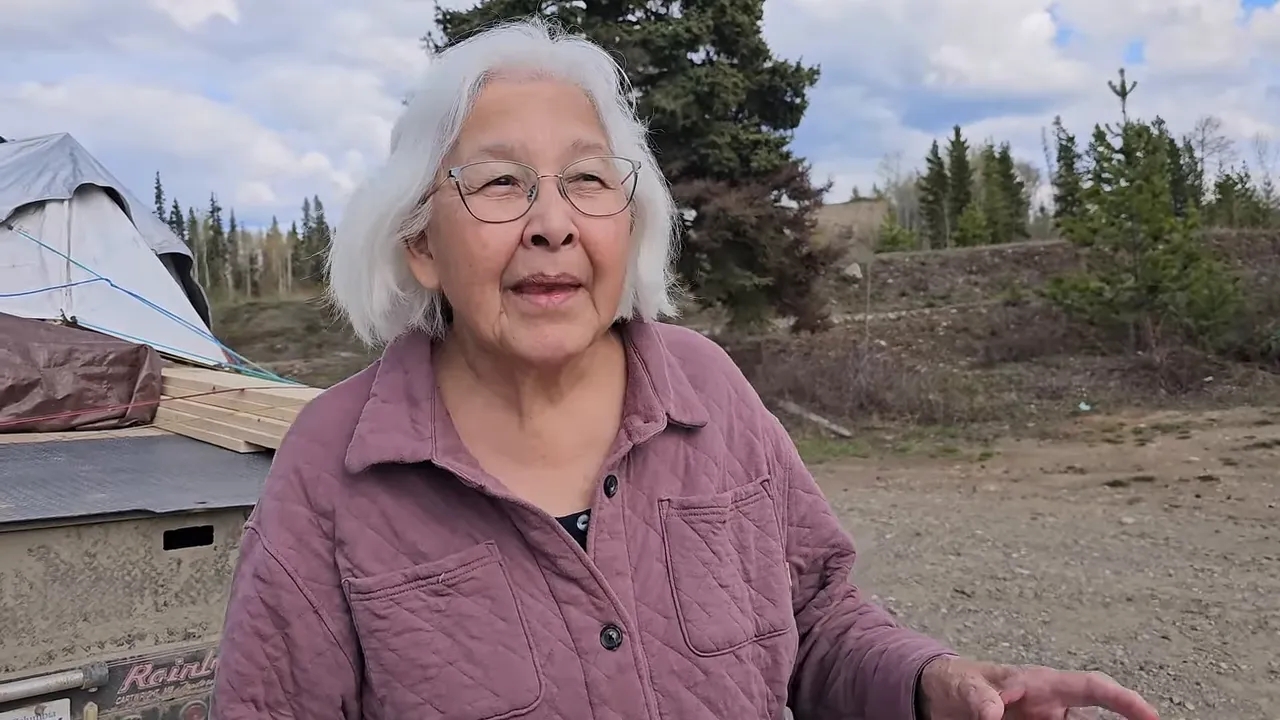
One of the highlights of this trip was meeting Beverly, who grew up on Bird Island—then called Simpson Bay by some—and hearing stories about rafted logs, an orange jeep hauled across on a log barge, peanutty childhood treats, peeling logs for the smokehouse, and berry picking. Her memories tied our work to the island’s human history and deepened our appreciation for the place we now steward.
We decided to keep the name Bird Island in honor of the families who made their lives here. These conversations are part of why our project matters: preserving memory while building for the future.
Final Crossing and What Comes Next
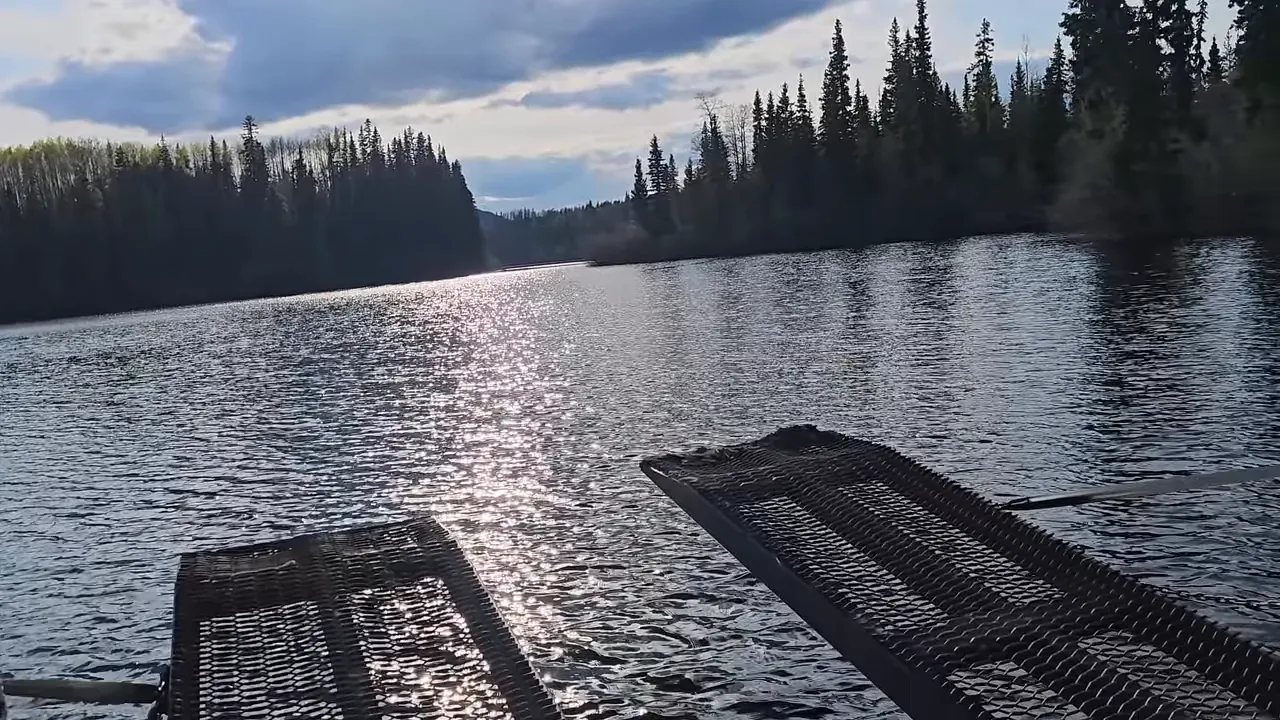
The last load floated across as daylight softened: crates, barrels, Opal’s house, and equipment. It’s always a mix of relief and excitement to see everything come together. We unloaded, set up a few systems, and closed the day with gratitude by the shore. This life is about small, steady advances—one load, one repair, one memory at a time.
Coming up: scaffolding built for safer elevated work, a sawmill installation that will change how we process wood, and preparations to test winter habitation. We’ll keep learning and adapting—sharing what works and what doesn’t so other homesteaders can benefit from our lessons.
Tags: #offgridliving #OffGridLife #RemoteIslandLiving #RemoteIslandHomestead #CabinLife #WildernessLiving #CanadianWilderness #WildernessIsland