Heading Back to the Wilderness – Trailer Packed for Remote Island Living
Season 4 begins with the long-awaited drive north as we return to our Remote Wilderness Island in British Columbia. 🚛🌲 After months away, the planning, packing, welding practice, custom crate building, and last-minute fixes all lead to this moment: gearing up the barge, loading the new sawmill, and preparing for another year of building our off-grid homestead.
With a visit from Greg Ovens, a strengthened doghouse for Opal, and a whole lot of gear to organize, this episode sets the tone for a season focused on learning new skills, improving our setup, and digging deeper into life lived off the grid.
Table of Contents
- Season Kickoff: Heading North
- Why We Chose the Norwood Sawmill
- Welding 101: Skills for Barge and Cabin Work
- Tool Talk: Helmets, Tips, and Gear
- Building Low-Cost Transport Crates for Safer Hauling
- Opal’s Doghouse Makeover
- Loading the Trailer and Final Prep
Season Kickoff: Heading North
We left months of planning behind to get back to what we love: hands-on homesteading on a remote lake in British Columbia. From the first blossoms of spring to prepping gear and supplies, this season opener marks the moment we take everything we’ve learned and put it into action. Our focus for this year is simple: work smarter, build better, and enjoy more of the true cabin life that drew us to this place.
On the road north we packed carefully, tightened lists, and double-checked the ferry reservation so the long drive and ferry crossing pay off. This is the start of our renewed emphasis on Remote Island Living and refining how we move gear for sustained off-grid work.
Why We Chose the Norwood Sawmill
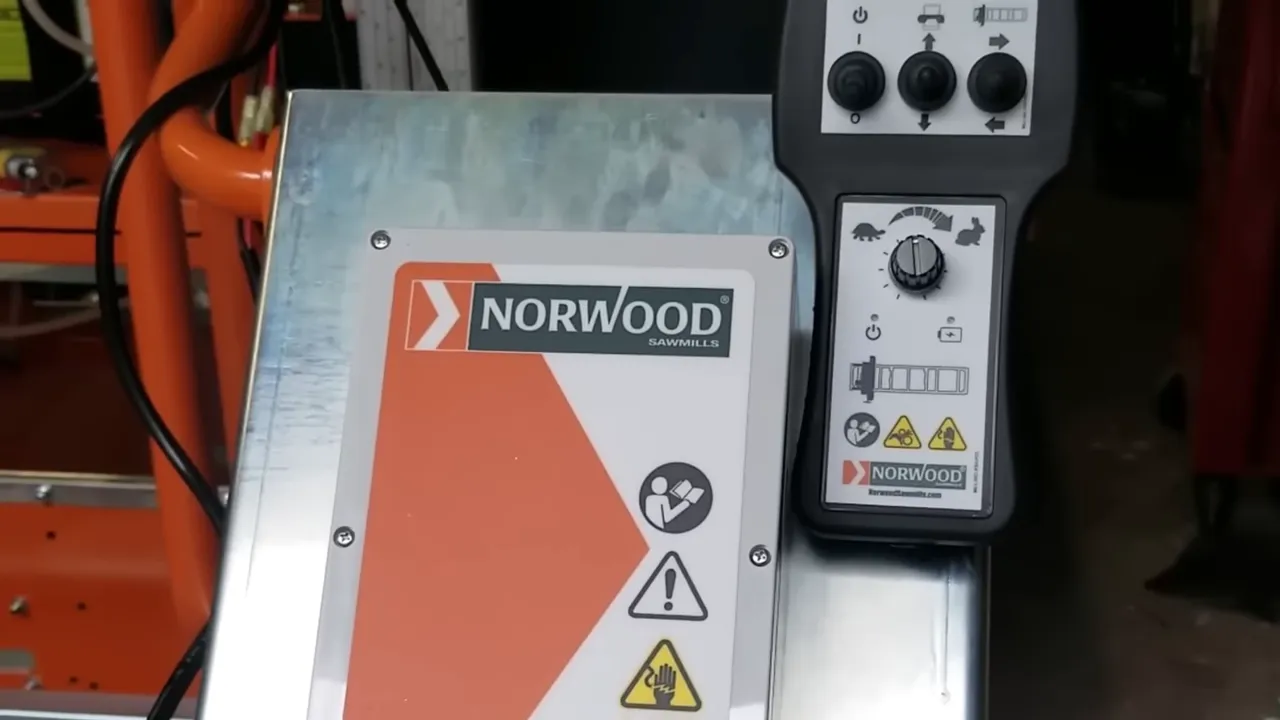
After researching sawmills we landed on the Norwood Lumber Pro HD36 v2. Our goal was to bring an on-site milling capacity that reduces hauling and lets us turn felled logs into building material right on the island. The mill came unassembled, which meant we installed every nut and bolt ourselves. That intimacy with the machine translates into confident maintenance and fewer surprises later.
The hydraulic controls and loader made the decision simple: hydraulics reduce manual strain and let us process heavier logs with less effort. The new mill is central to our plan this season—it’s the backbone of several major builds. This year is truly about bringing capability to our off-grid island rather than hauling everything from town.
Welding 101: Skills for Barge and Cabin Work
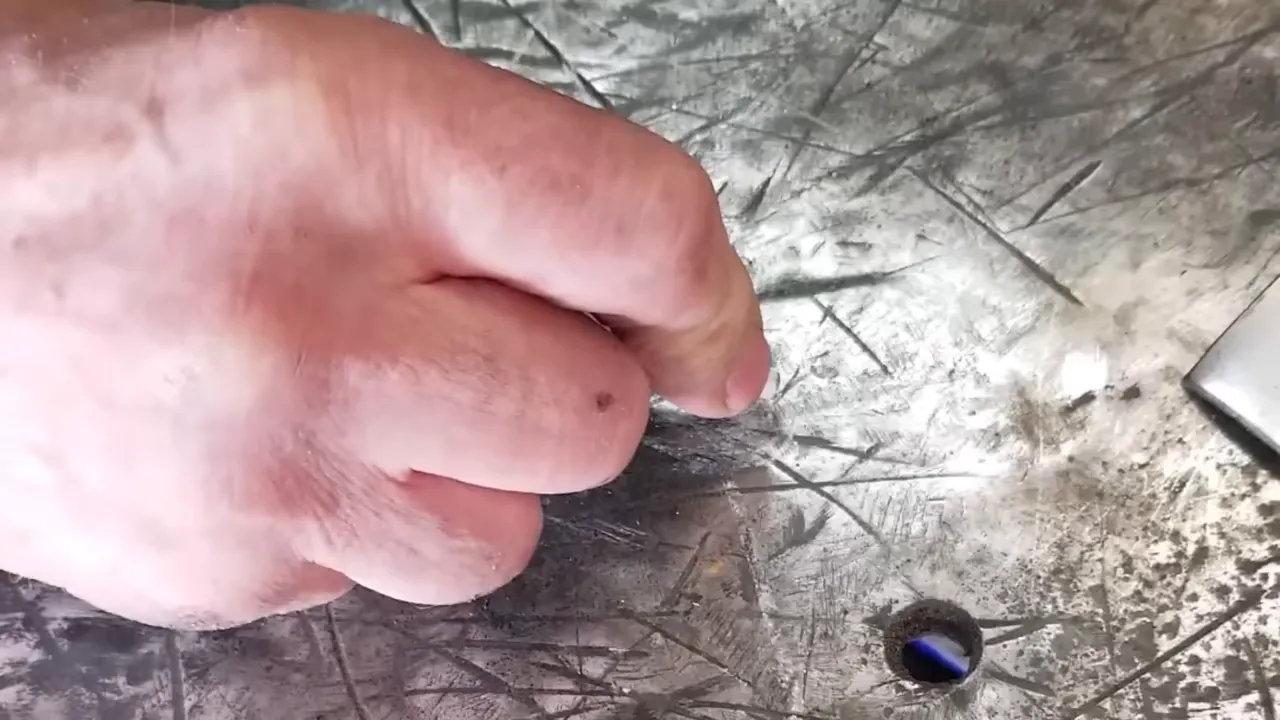
Learning to weld was a practical step for upgrading the barge ramps and fabricating on-site fixtures. We spent time with a machinist and a local expert to cover the basics: cleaning and prep, proper wire feed, tack welding, and maintaining the correct distance between nozzle and workpiece. Small details—like marking wire brushes for steel versus aluminum to avoid contamination—make a big difference in longevity.
What started as a necessity became an opportunity to expand our off-grid skill set. Tack methods, beveling for penetration, and using jigs for alignment made fabrication more repeatable. As we practiced, we could already see how welding complements the timbers from the Norwood Sawmill and how metalwork will enable faster, stronger builds on the island.
Tool Talk: Helmets, Tips, and Gear
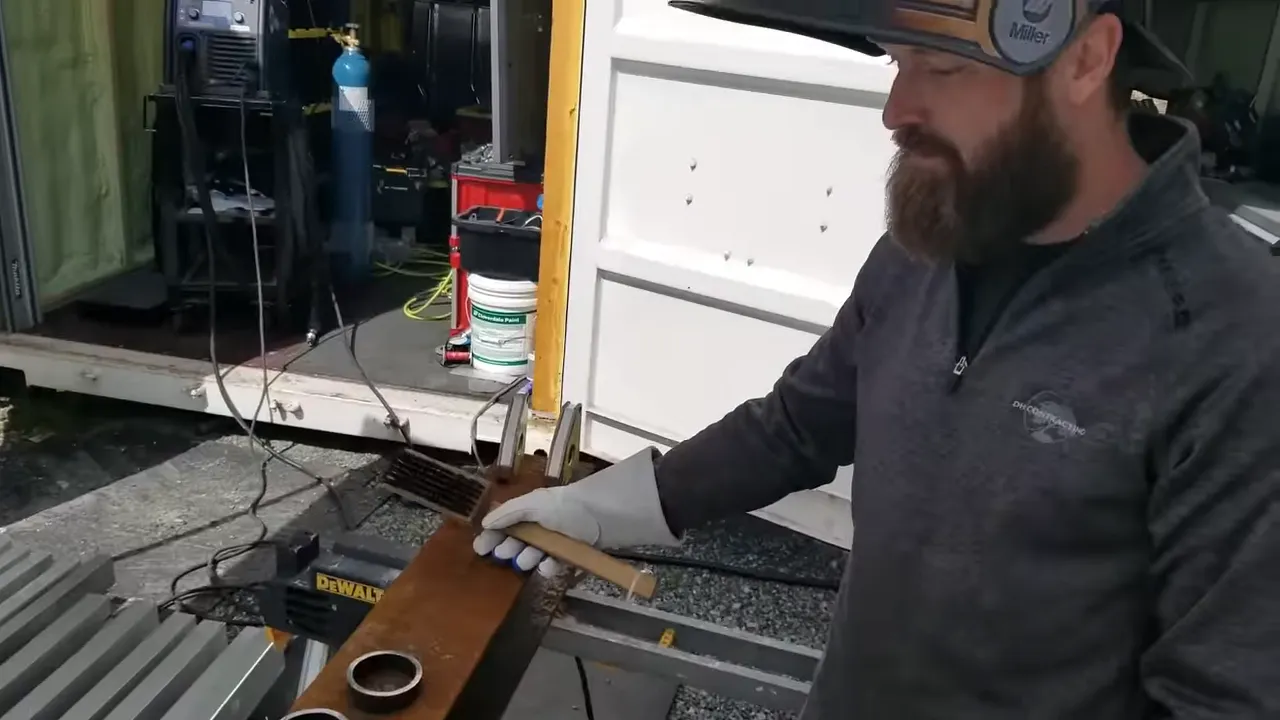
Good gear matters. We adopted a ‘buy once, cry once’ approach for helmets and critical tools. A clear helmet that lets you see the weld pool dramatically shortens the learning curve. Proper cutting snips, tip cleaners, and dedicated gloves are small investments that pay off in cleaner welds and fewer costly mistakes.
Distance management between gun and material, fresh cuts on wire feed, and keeping grind shards away from prep surfaces are practical tips we now practice every time. These simple habits protect equipment and produce better results as we build more metal fixtures for the barge and cabin.
Building Low-Cost Transport Crates for Safer Hauling
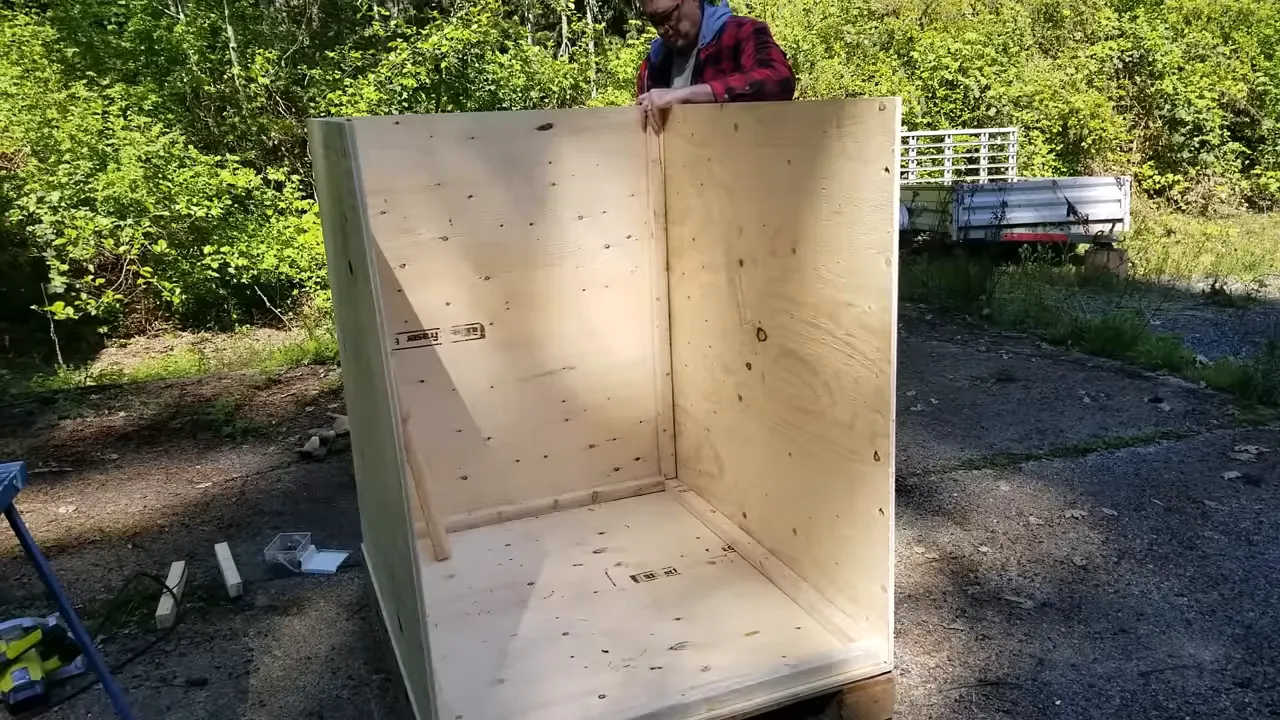
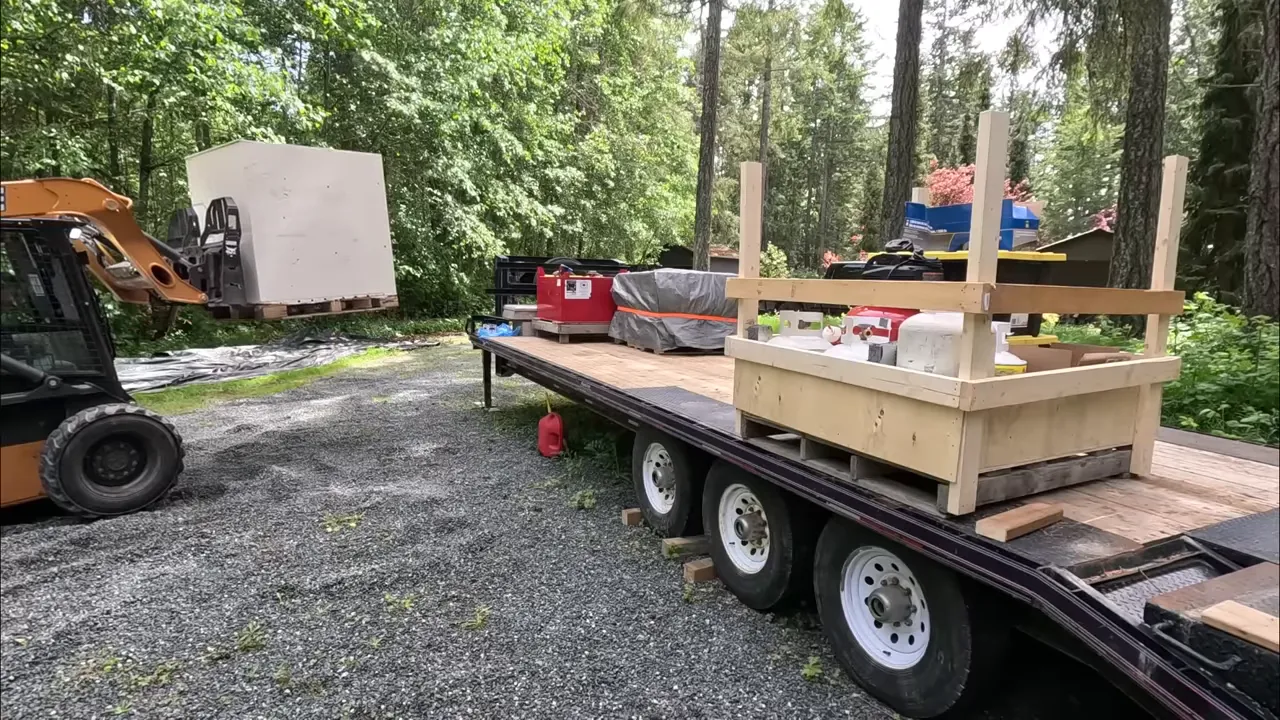
Transporting gear to the island used to be chaotic—bins shifted, straps loosened, and bumpy logging roads tested our packaging. This season we designed forklift-ready crates built from standard pallets and half-inch plywood floors. The crates are braced internally with ripped two-by-fours and reinforced at corners for rigidity.
Constructing our own crates was far more economical than buying ready-made units. We can build multiple high-strength crates for the price of a single commercial option and customize sizes for tools, clothing, and moisture-sensitive items. Using these crates reduces load movement and weather exposure during transport and is a big improvement for our ongoing Barge Transportation and resupply workflow.
Opal’s Doghouse Makeover
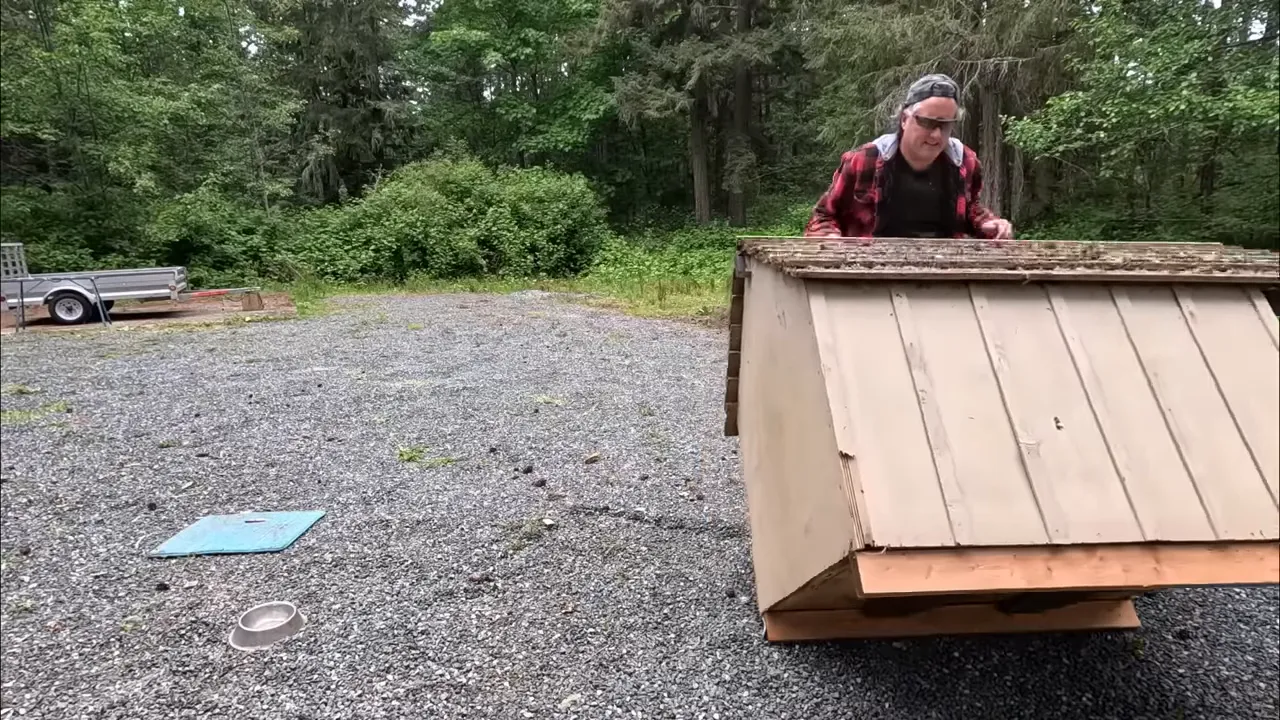
We found Kramer’s old doghouse in worse shape than expected—rot at the bottom meant a surgical repair. Rather than replace it entirely, we cut away the rotten sections, added skid rails to lift it off the ground, and reinforced the floor for longer life. Power washing, gluing, and replacing select ship-lap boards made the structure sound and ready for finish work that will match our cabin exterior.
Small fixes like this keep the island functioning and give our dog Opal a comfortable, protected space. It’s a reminder that on-site maintenance and adaptable repairs are key parts of sustainable Wilderness Homestead living.
Loading the Trailer and Final Prep
With crates stacked, the sawmill prepped, and tools organized, the final step was loading the trailer and securing everything for the long haul north. We used a rented skid steer to make the process more efficient and arranged fuel tanks, batteries, and heavy gear for balanced transport. A small grease on the gooseneck ball and proper use of the through pin made hooking up smoother than past attempts.
Organization through labeled crates, proper bracing, and the right equipment reduces stress and saves time on both ends of the trip. With the trailer hitched and the ferry reservation confirmed, we set off confident that our improvements—from welding skills to custom crates—will make this season of island life more productive and enjoyable.
Final Notes and Links
We’ll be sharing more on how the Norwood Sawmill performs, how our welding practice turns into practical fabrications for the barge, and ways we continue to refine Off Grid Life systems. For gear references, tips, and our favorite tools you can find our curated lists and shopping links on our site and stores.
- Favorite Things: https://mywildholm.com/favorite-things/
- Amazon Store: https://amzn.to/4rE3ER3
- Merch Store: https://www.youtube.com/@mywildholm/store
- Facebook: https://www.facebook.com/mywildholm
- Instagram: https://www.instagram.com/mywildholm