Building an Off Grid Power System to Survive Winter – Life on Our Remote Island
Building an off-grid power system that can survive a Canadian winter isn’t just about solar panels — it’s about protecting what matters most when the temperature drops and help is days away. On our remote wilderness island in British Columbia, we’re laying the groundwork for a power system designed to function year-round, even when winter hits hard.
Table of Contents
- Table of Contents
- We bought a Remote Wilderness Island
- The Forgotten Fuel Problem
- Clearing Land for the Battery Bunker Site
- Mission Control: How the Building an Off Grid Power System to Survive Winter Works
- Moving Wires and Building a Sandy Road Bed
- Progress Check: Chainsaws, Debris, and Yarding
- Root Balls, Burn Piles, and Fire Starters
- Why Batteries Need Winter Protection
- Closing Notes and Next Steps
We bought a Remote Wilderness Island
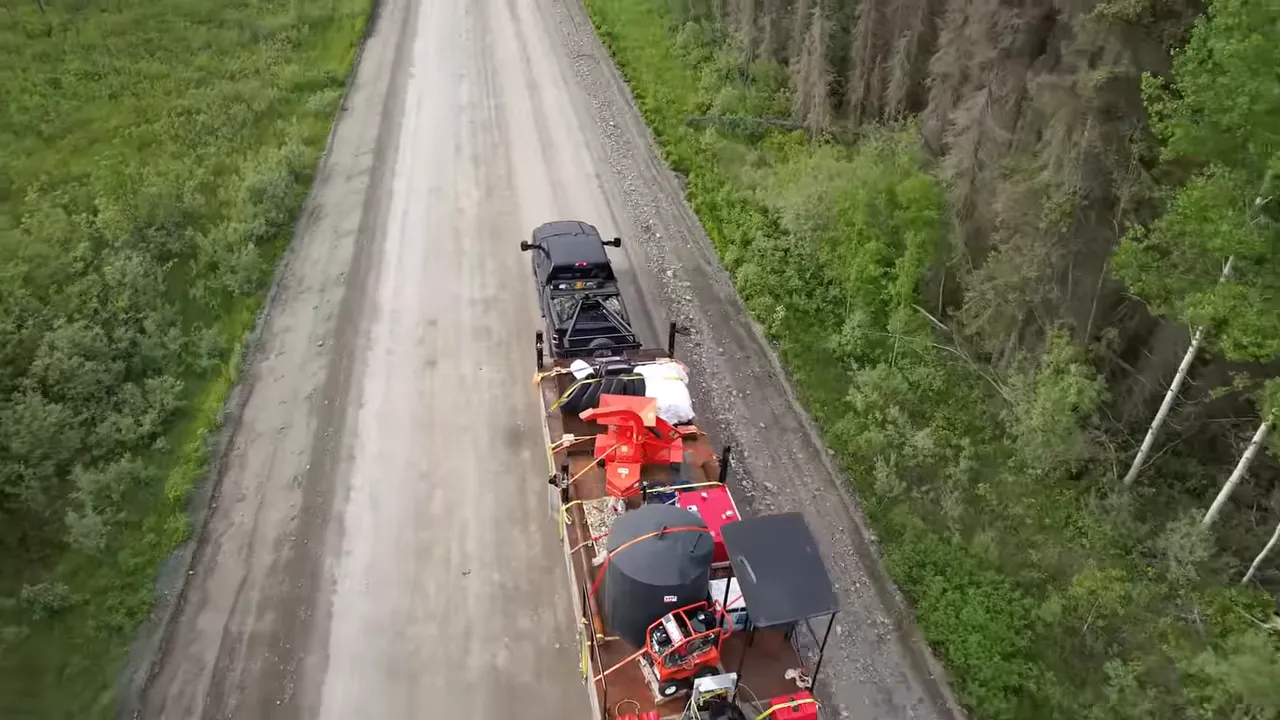
We bought a remote wilderness island sight unseen on a lake in British Columbia in the spring of 2022, and since then we have been converting raw nature into a functioning homestead. Living off the land here means combining the romance of cabin life with pragmatic systems: shelters, water access, and most importantly, reliable power.
The Forgotten Fuel Problem
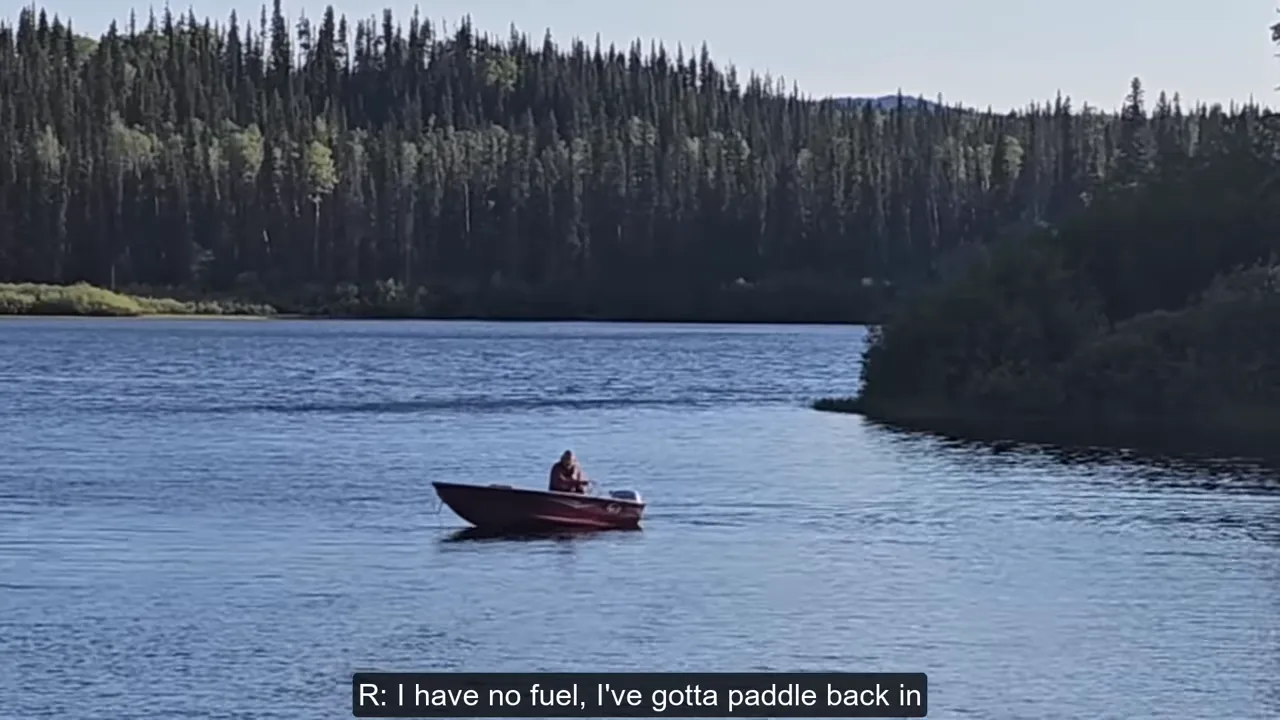
Small mistakes happen. One day, a rushed departure became a lesson when the boat sputtered because we forgot to take the fuel. We love the rhythm of boat runs, but they remind us that logistics matter as much as big plans. Keeping the truck and barge coordinated reduces handling and keeps equipment safer when help is not nearby.
Clearing Land for the Battery Bunker Site
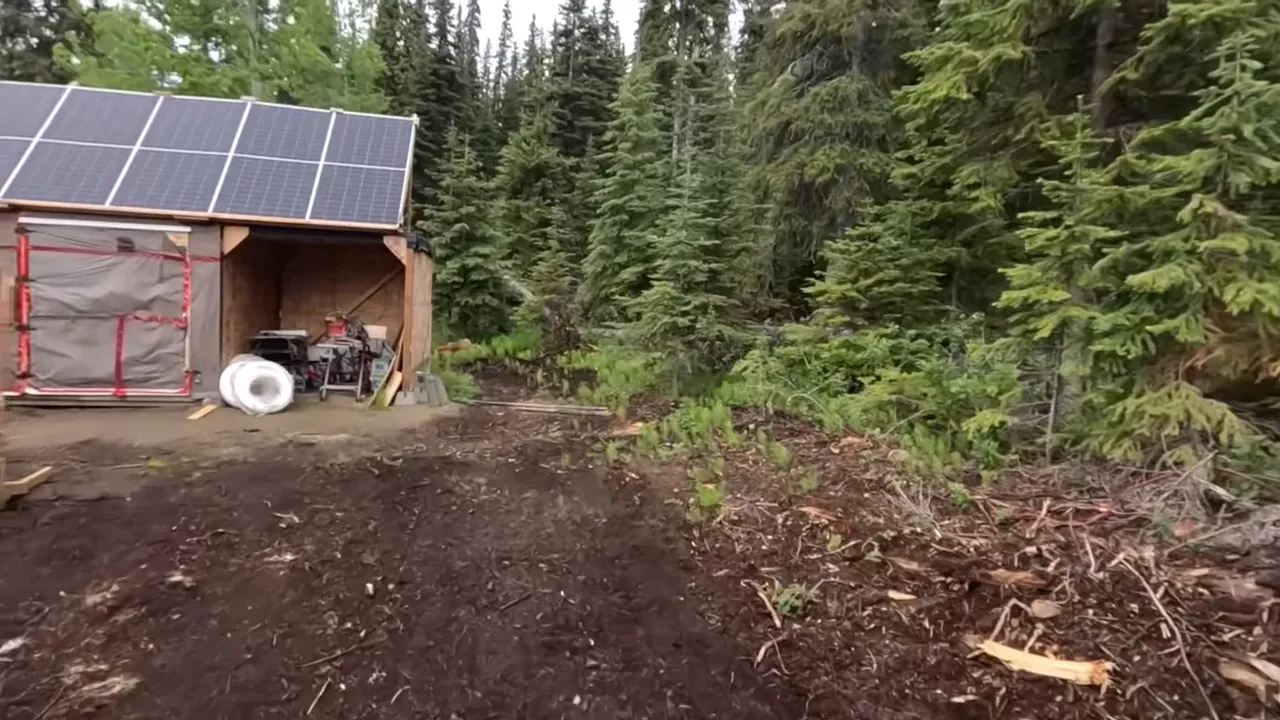
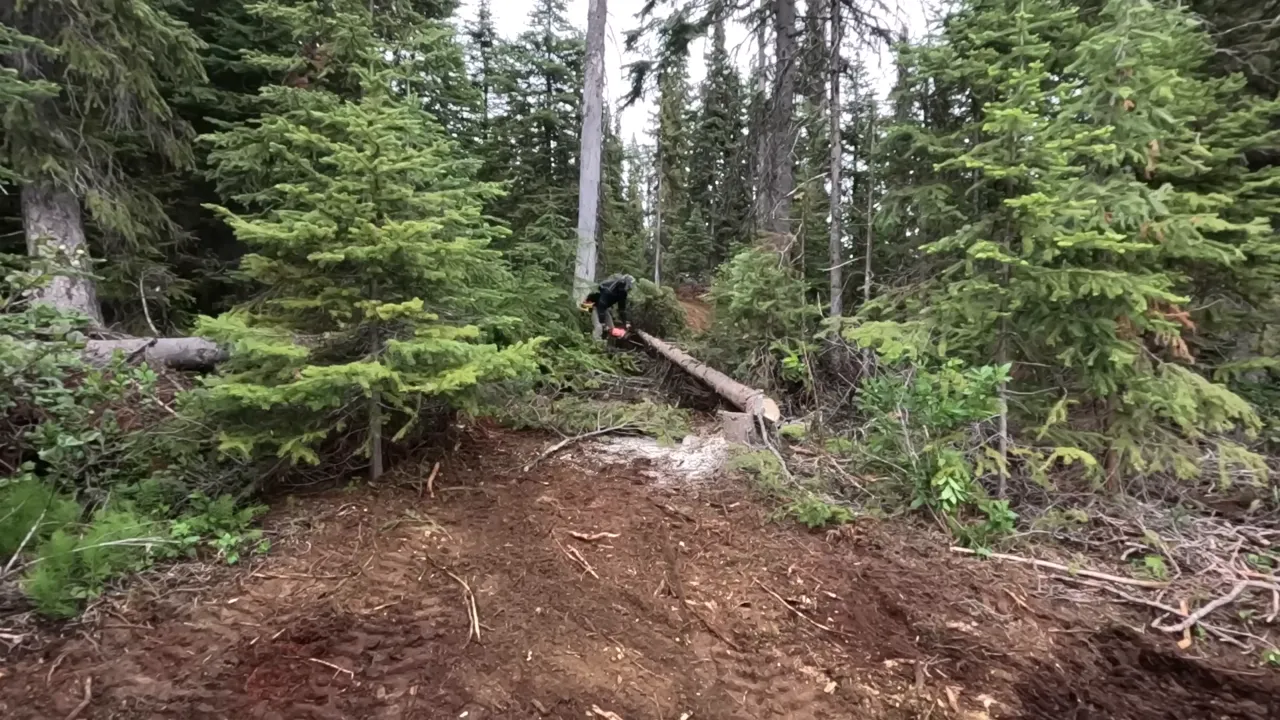
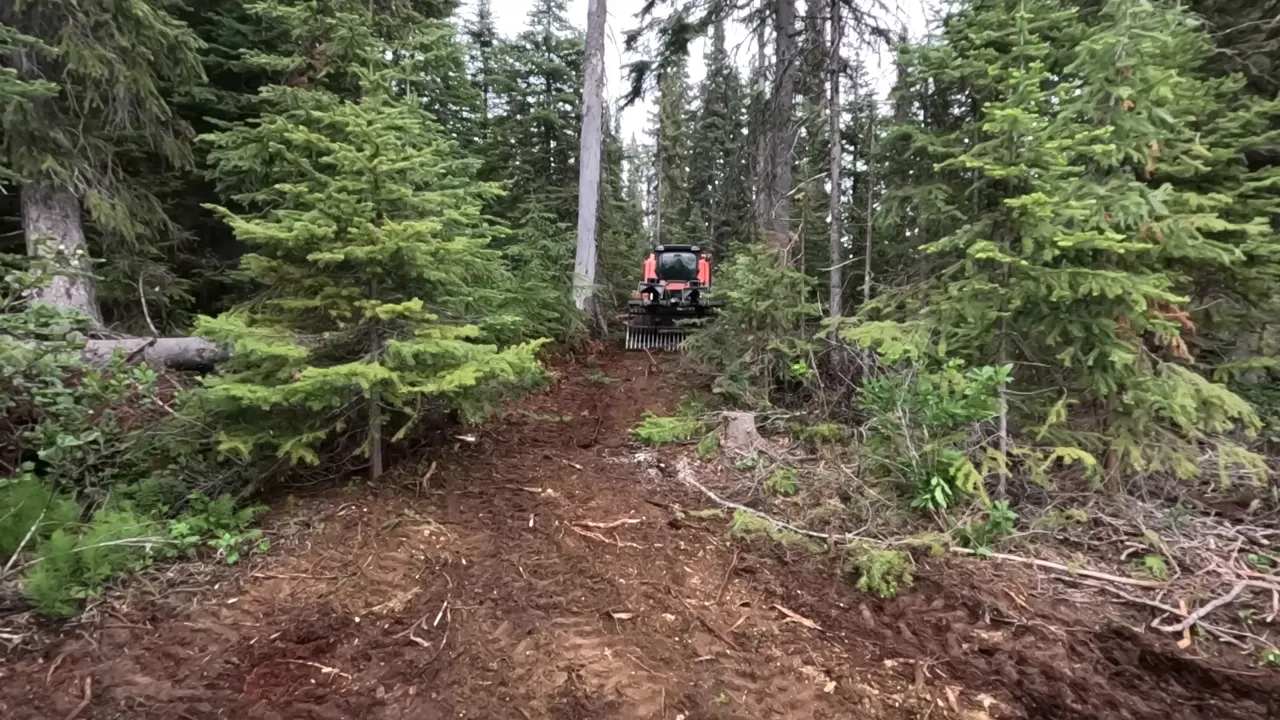
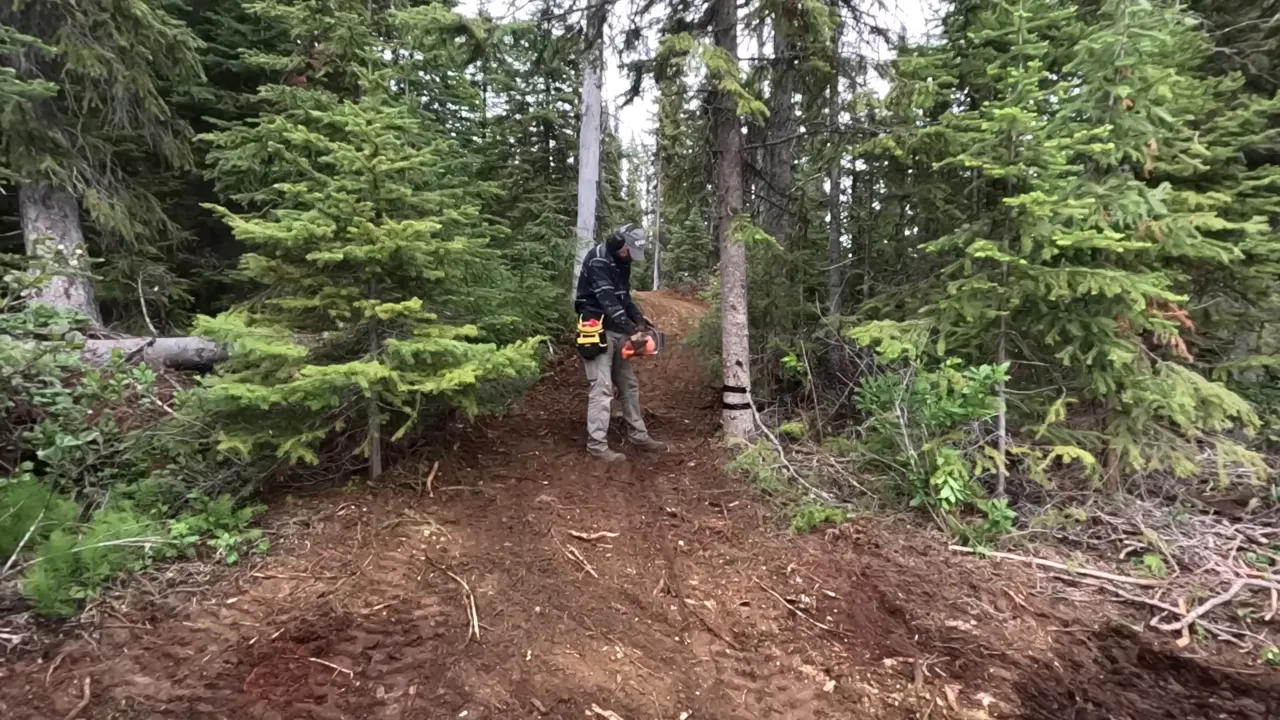
Before any concrete work happens, access matters. We marked trees, cut a path, and cleared deadfall so equipment and materials can move freely. The site sits on a mesa about eleven feet above our array shed, so creating a safe route for trucks and machinery was a priority.
Mission Control: How the Building an Off Grid Power System to Survive Winter Works
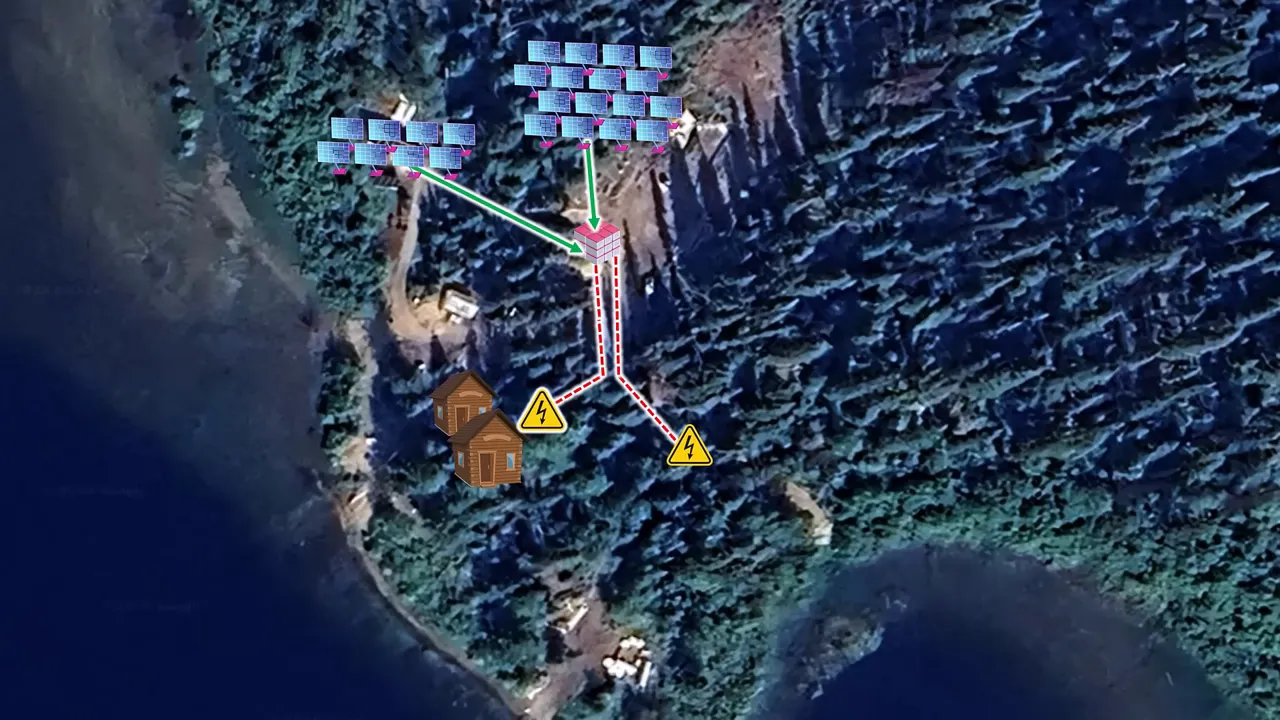
Our plan centers on an underground electrical control bunker that acts as mission control for the island. Solar panels will feed DC power into battery banks housed in the bunker, inverters will convert stored energy into AC, and two distribution boxes will direct power across the property.
One distribution circuit will serve the small cabins, greenhouse, array shed, and south dock. The other will feed the main cabin, east dock, and a future mill shed. Placing batteries below grade simplifies thermal management and protects the most expensive component of our system.
Moving Wires and Building a Sandy Road Bed
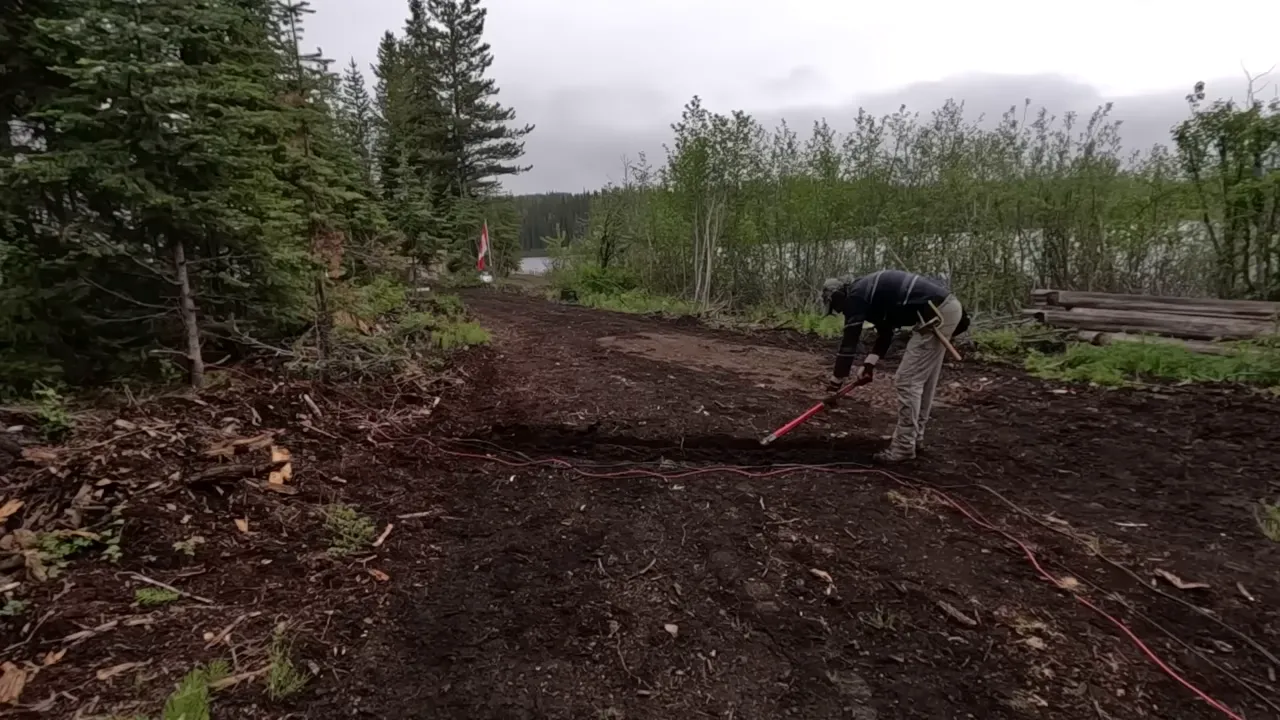
Wiring needs to be flexible during the build. We temporarily moved and protected lines so our skid steer, Pepper, can haul materials without damaging them. In wet seasons, the site becomes muddy quickly, so we’ll add a sandy road bed to keep equipment moving and to avoid getting stuck during critical work.
Progress Check: Chainsaws, Debris, and Yarding
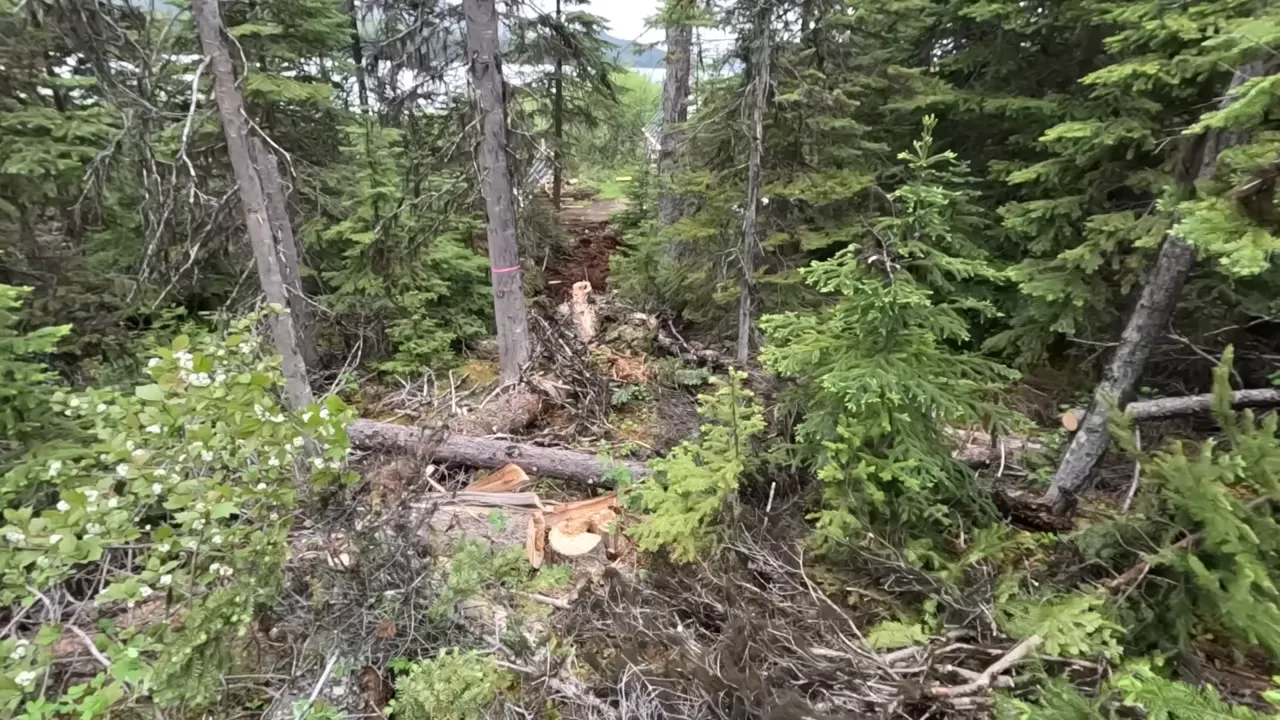
In about four hours we cut a usable access path through the forest. About forty percent of the clearing was done on that day, with larger trees and root masses still to handle. We use a mix of chainsaw work and mechanized hauling to break wood into manageable pieces for removal or burning.
Root Balls, Burn Piles, and Fire Starters
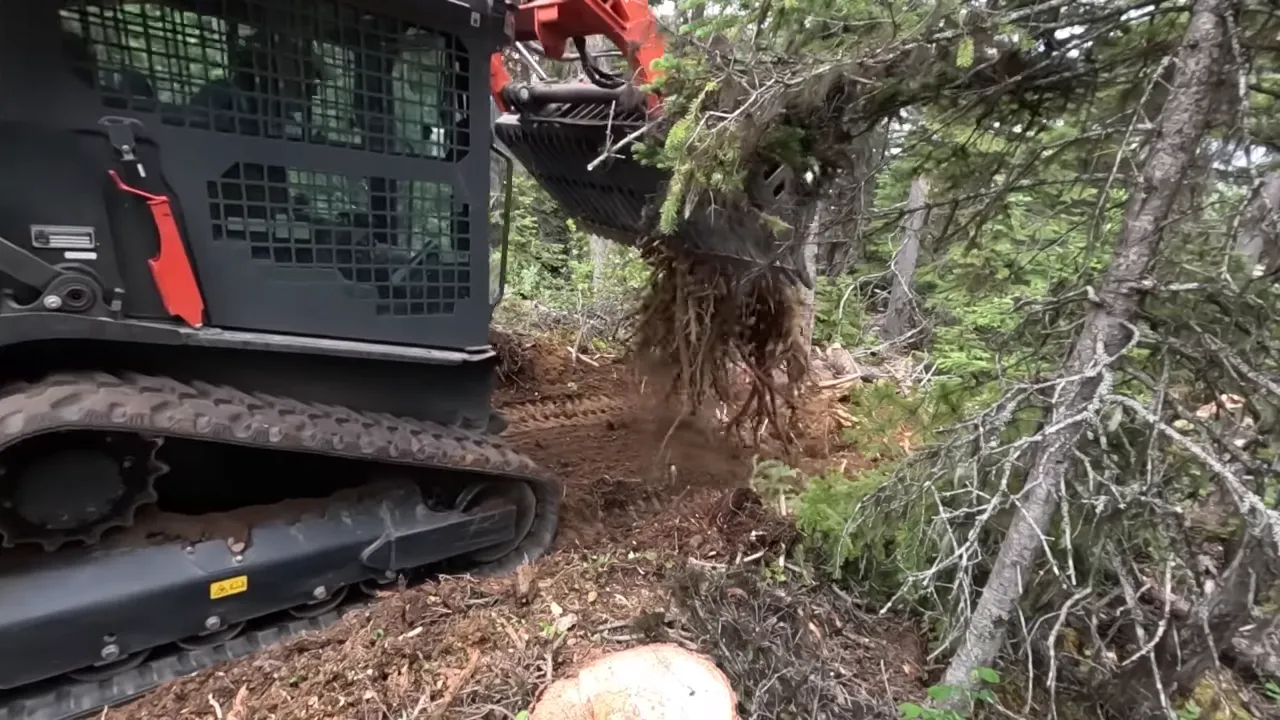
When Pepper pulls root balls, we drop them from height to shake off excess soil. Cleaner wood burns more completely, which helps with efficient burn piles and reduces ash. We also collected wood shavings for fire starters — a small idea Melodi suggested that could turn into something practical and useful.
Why Batteries Need Winter Protection
One technical reality shaped our entire strategy: lithium iron phosphate batteries cannot be charged below zero degrees Celsius. They can discharge in the cold but charging them at subfreezing temperatures damages them and shortens their lifespan. That makes battery storage the most sensitive and expensive part of any off-grid solar setup.
To protect the batteries we will place them in a watertight room below the frost line where the ambient temperature should stay around six degrees Celsius year round. This approach eliminates the need for active heating to keep the batteries within safe charge temperatures and preserves capacity through long, cold months.
Closing Notes and Next Steps
With the access road cut and the bunker excavation planned, our next work phases are excavation and building the watertight battery room, welding protective equipment, and finalizing the distribution lines. We’ll iterate on the temporary fixes — like the log rounds we used to protect the truck’s air dam — and replace them with permanent, welded solutions once the workshop is in place.
Throughout the process we balance practical systems with minimal impact. Our goal is resilient off-grid power that supports greenhouse growing, cabins, and day-to-day living in an environment that can reach -40 degrees Celsius. This is real off-grid work: messier and more iterative than glossy installs, but built to last.
Quick Practical Takeaways
- Design for thermal protection — keep batteries below frost line to enable charging year round.
- Plan logistics — coordinate barge, truck, and fuel so trips are efficient and safe.
- Build temporary protections for wiring and vehicle components during construction, then replace with permanent hardware.
- Use mechanized help like a skid steer to reduce physical strain and speed yarding and stump removal.
Questions we’re thinking about next
- How to size the battery bank for deep winter use while keeping costs manageable.
- Best practices for watertight, ventilated battery rooms for lithium ferro phosphate chemistry.
- Optimal placement of inverters and distribution panels to minimize losses and simplify maintenance.
We hope this overview helps anyone planning to build an off grid power system that must survive long winters. If you’re planning a similar setup, focus on reliable thermal protection for batteries and practical site access — both will save time and expense down the road.
Keywords: offgridpowersystem, offgridlife, remoteislandhomestead, offgridsolarpower, batterybunker, offgridlivingcanada
Tags: #offgridpowersystem #offgridlife #remoteislandhomestead #offgridsolarpower #batterybunker #offgridlivingcanada