Escaping the Noise: Our BOLD MOVE to a Remote Wilderness Island – My Wild Holm S3 Ep23
We did it! We made the leap! We’ve embraced off-grid life on our stunning off grid remote wilderness island in Canada. We have several DIY homestead projects on the go – from our tiny cabin, our shop, our guest ‘shed-rooms’, greenhouse, solar arrays… we’re building roads and falling trees, we’re bringing in a sawmill to build our new mill shed and forever cabin. We’re doing it all – and doing it all by ourselves! We’ve never done this before, so buckle up and come join the adventures because every day brings a new adventure!
Table of Contents
- Weatherproofing Our Array Shed – protecting structures for off-grid living
- That’s an interesting way to film — awkward angles, tight spaces, and creative fixes
- Not your ordinary thunder and lightning — mistakes fixed and lessons learned on the roof
- Wow! The greenhouse works! — irrigation, pumps, and troubleshooting
- Making a nice space for Melodi’s daughter — prepping the shed-bedroom for family
- Our future water plans — spigots, floats, and lake-fed automation
- Saying goodbye to our Island — travel prep, ferry runs, and family reunions
- Conclusion — what’s next for our Remote Wilderness Island homestead?
Weatherproofing Our Array Shed – protecting structures for off-grid living
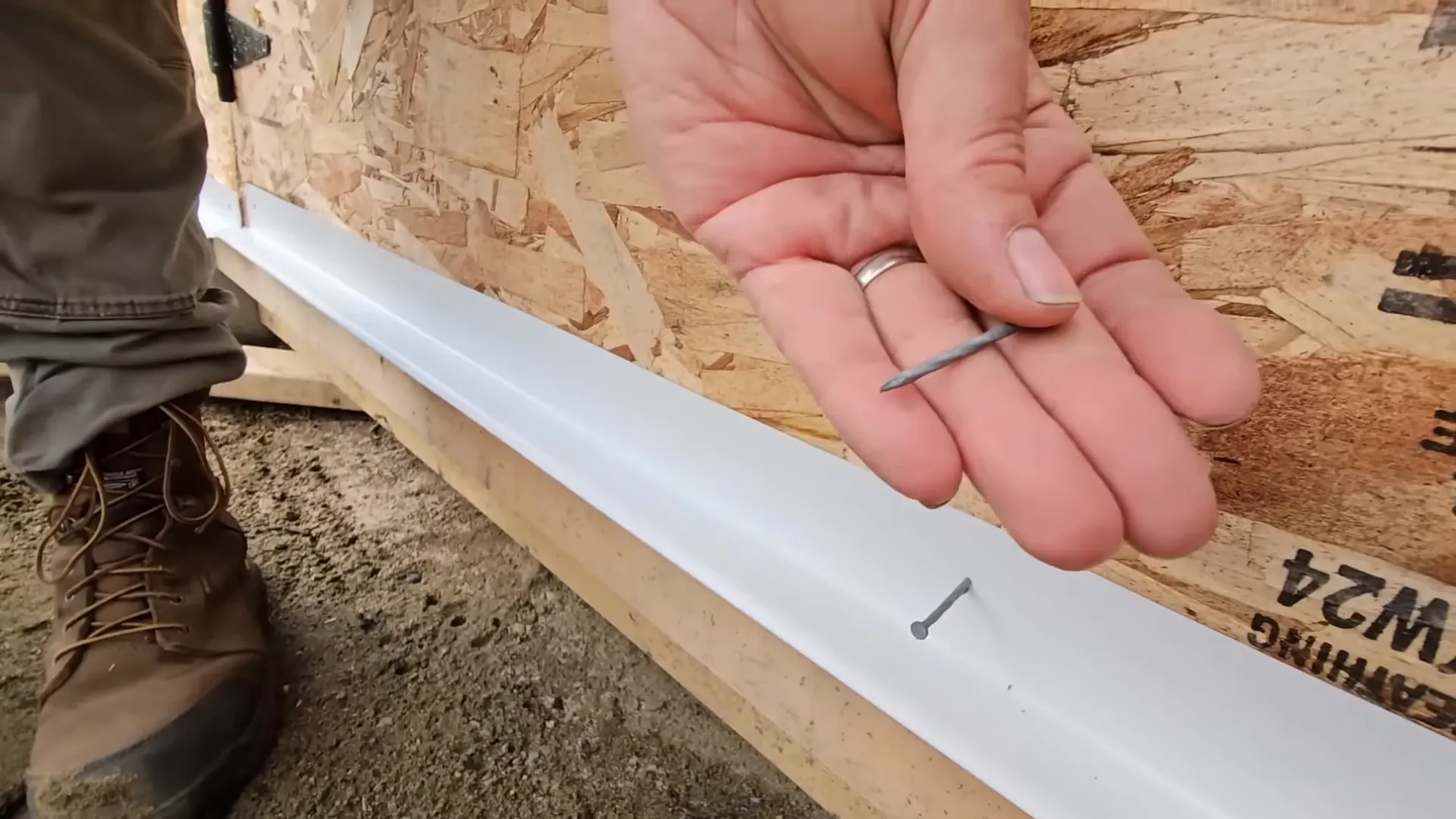
We’re spending a lot of time making sure what we build will last in the elements. On this day we focused on the small but vital steps: wrapping, flashing, and installing drip edges on the array shed so the wall doesn’t get soggy. Little details matter when you live off grid — the right nails, the right tape, and the right angle on a drip edge can save hours of future repair.
We talk through choices as we work: why we used galvanized spiral nails (they resist corrosion and grip better because of the twist) and why a temporary sealant like tuck tape is useful until we can install proper butyl tape. These are typical OffGridConstruction details that make our solar arrays and shed durable in a coastal climate.
That’s an interesting way to film — awkward angles, tight spaces, and creative fixes
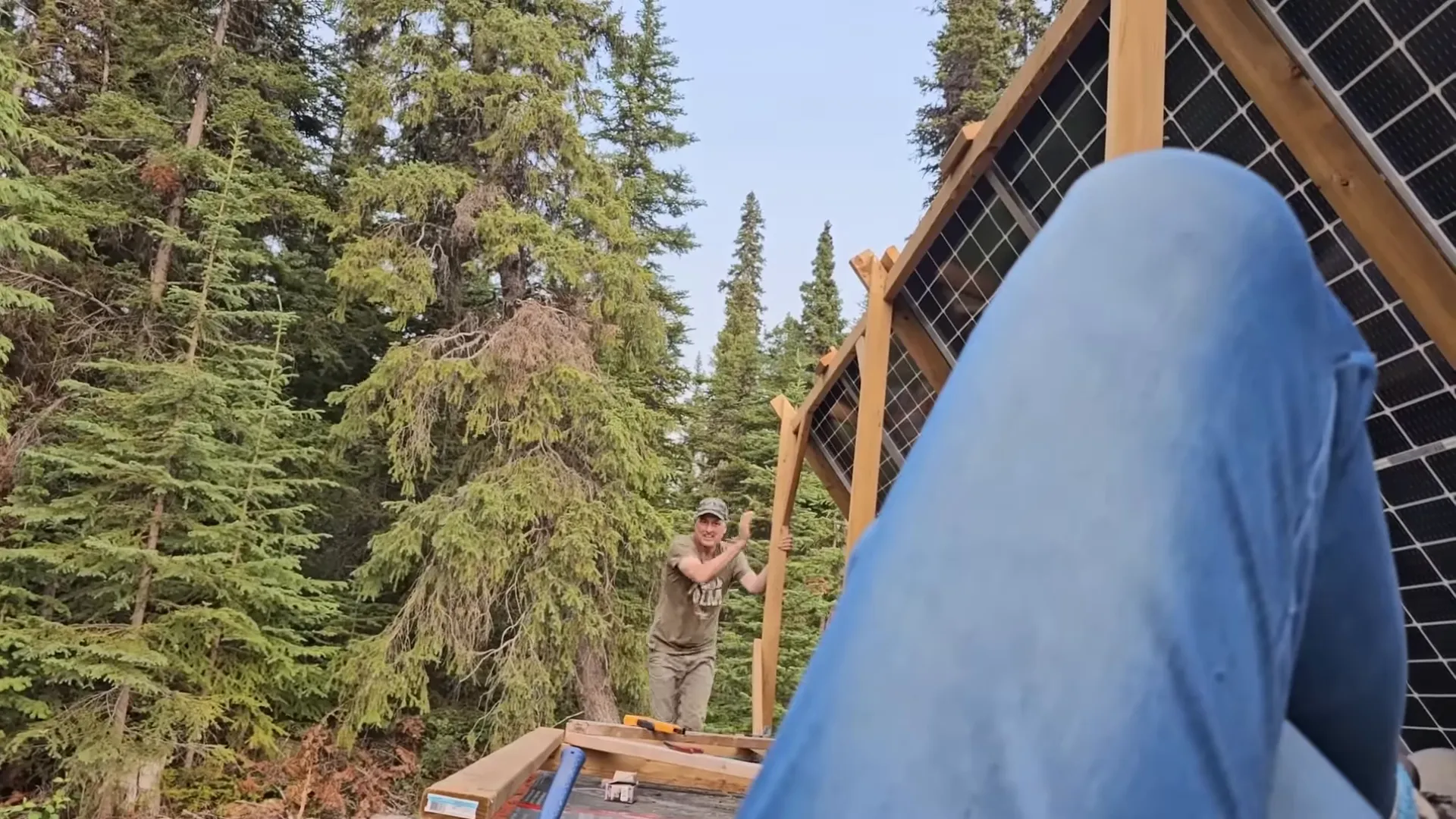
Filming the work isn’t always tidy. One of us ends up leaning off the edge of the roof to capture the right shot while the other balances a step stool and a piece of flashing. We laugh about it and then get back to it — trimming the flange here, folding the metal there, and making a quick triangular notch to avoid leaving a razor-sharp edge that could be dangerous.
We try to balance aesthetic workmanship with practical tools — sometimes we don’t have the perfect “tin snipper” or flattening tools, so we improvise. These improvised moments are part of what off-grid Homesteading and tiny cabins life is about — learning by doing and making things safer as we go.
Not your ordinary thunder and lightning — mistakes fixed and lessons learned on the roof
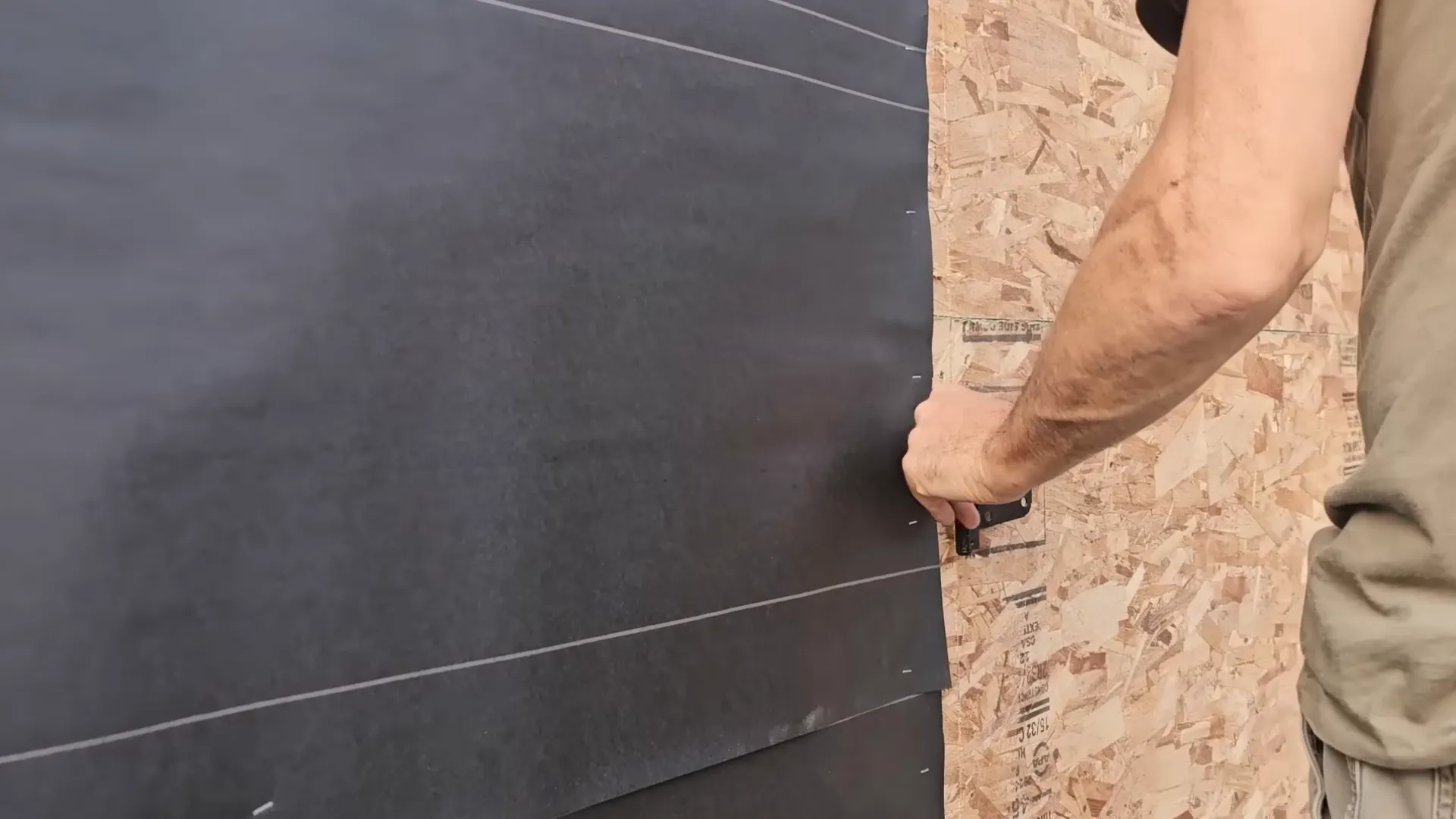
A surprise thunderstorm rolled in while we were finishing up. We also made a small error cutting the house paper in the wrong place, but a bit of tuck tape and quick thinking kept the rain out. It’s funny how a day on the roof can swing from calm to dramatic — and how small mistakes are easily fixed if you stay calm and adapt.
We’re always planning what’s next: a low-profile gutter to direct runoff away from the door jamb and threshold, and perhaps a retrofit down the line. Rainwater from our solar panels is surprisingly forceful, and keeping it away from sensitive joinery is part of reliable Off Grid Living.
Wow! The greenhouse works! — irrigation, pumps, and troubleshooting
One of the most rewarding parts of the day was seeing the greenhouse come alive. We set up a small pump and hoses to make sure the beds stay watered while we’re away. Seeing water flowing across the potatoes, tomatoes, cucumbers and grapes made us breathe a little easier about our upcoming family trip.
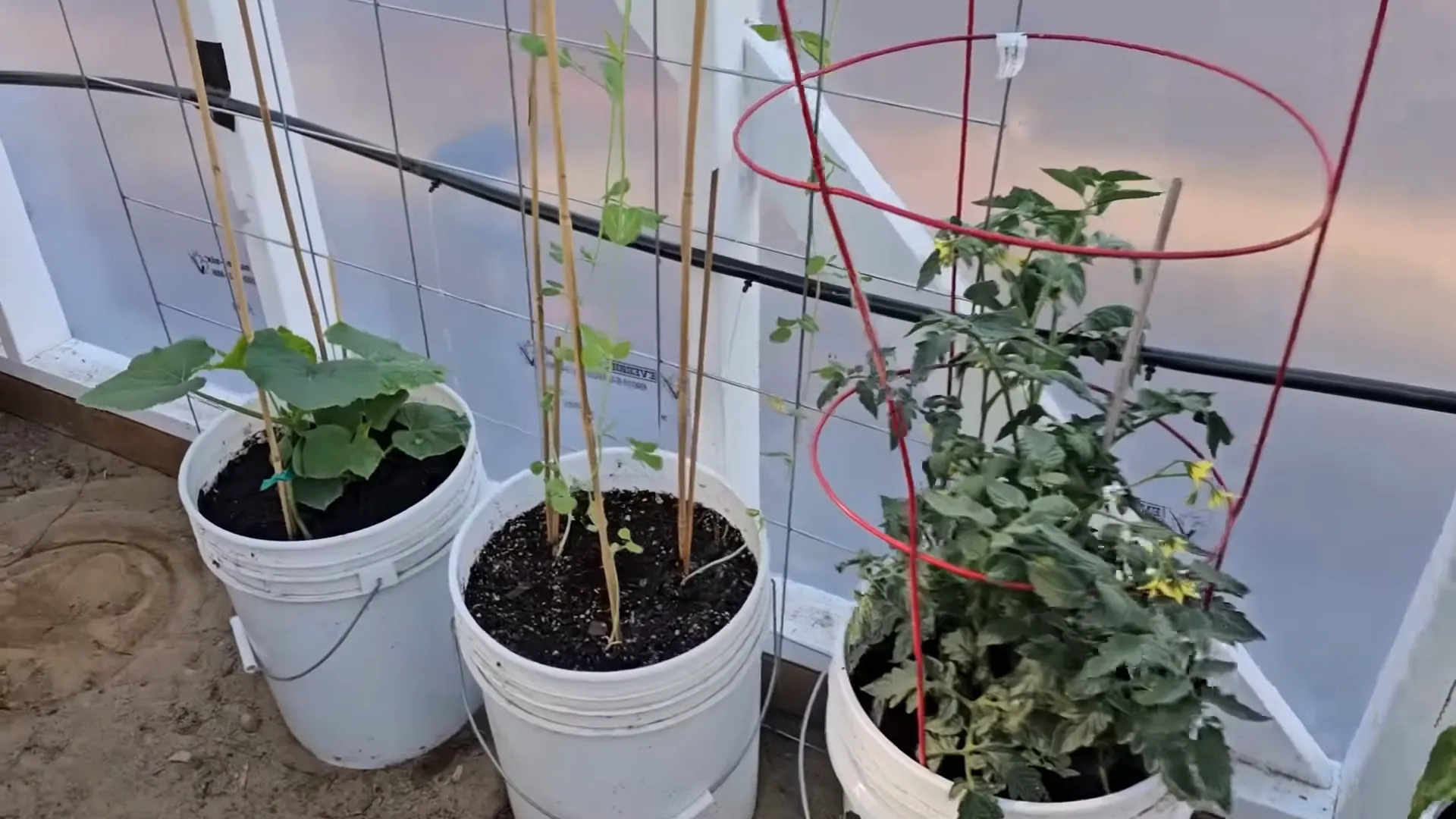
But nothing is without hiccups. We discovered one valve wasn’t shutting off properly and too much water was pouring out. Overwatering can be as damaging as underwatering, so we worked through the hose placement and pressure. Our solution involves lowering the lines closer to the soil rather than spraying over the leaves, and planning to install tubing later.
Making a nice space for Melodi’s daughter — prepping the shed-bedroom for family
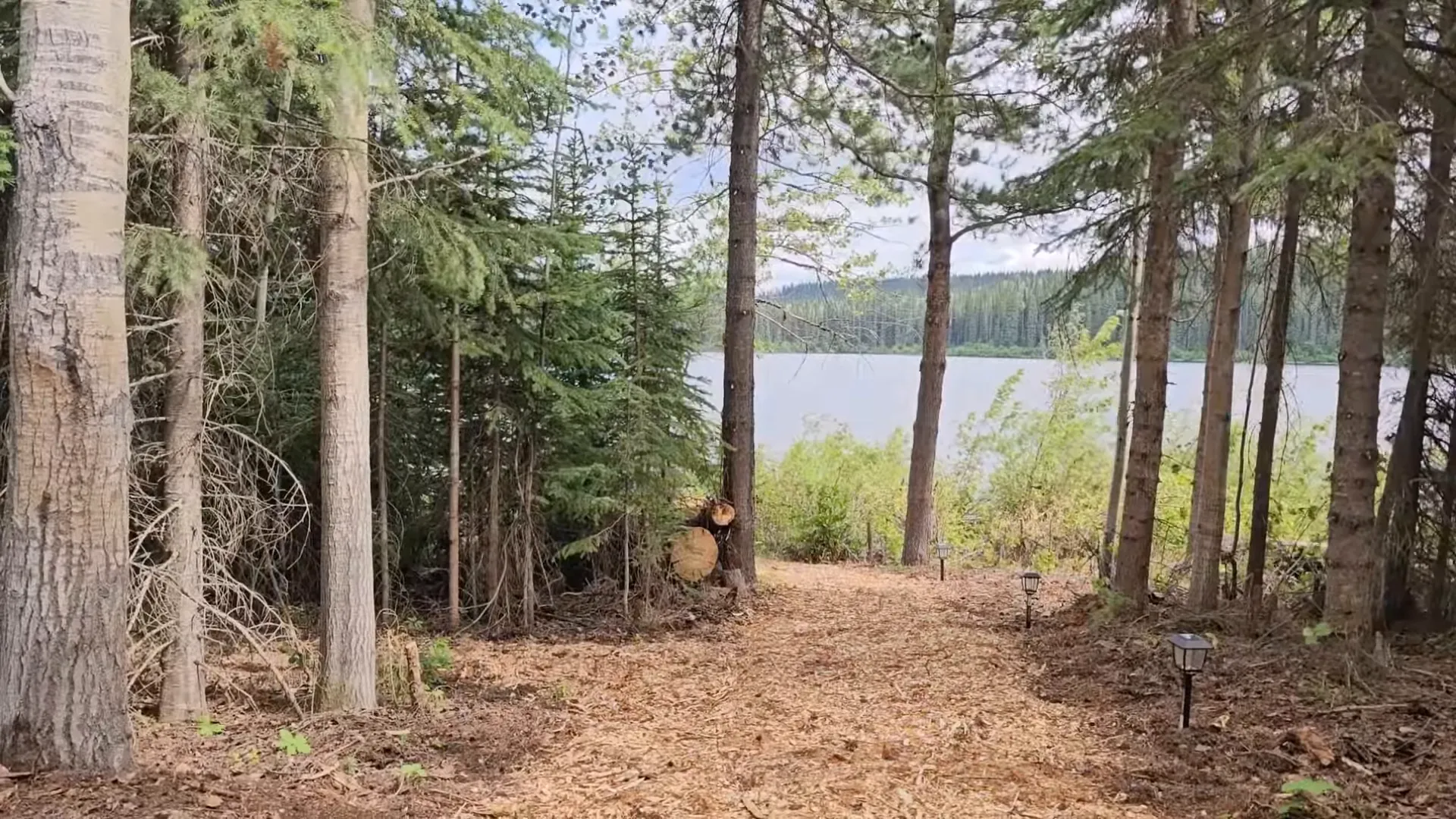
Preparing the guest shed for family is one of our favorite tasks. We swept, washed the floor like the old-fashioned way, and set up a blow-up mattress that we’ll eventually place on a simple pedestal. Raising the mattress off the floor helps keep bugs at bay and gives storage space underneath. We picture nieces and nephews waking to that calm lake view — it’s why we put so much care into these small rooms.
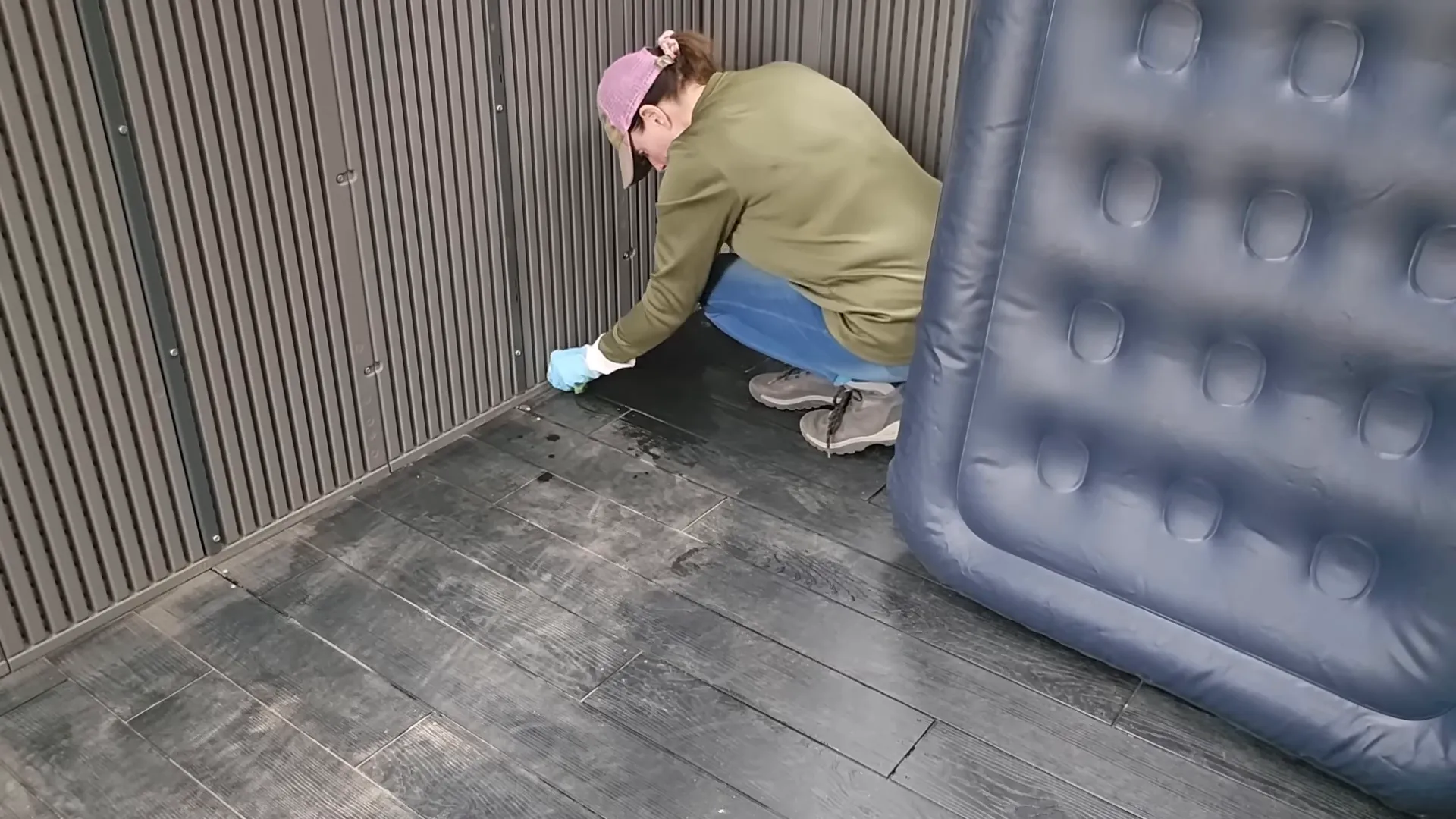
We also talked about future improvements: laying vinyl-plank flooring to make cleaning easier and installing better bug-proofing. These guest spaces will turn into real, comfortable accommodations, perfect for tiny homes enthusiasts looking at how to host on an off-grid property.
Our future water plans — spigots, floats, and lake-fed automation
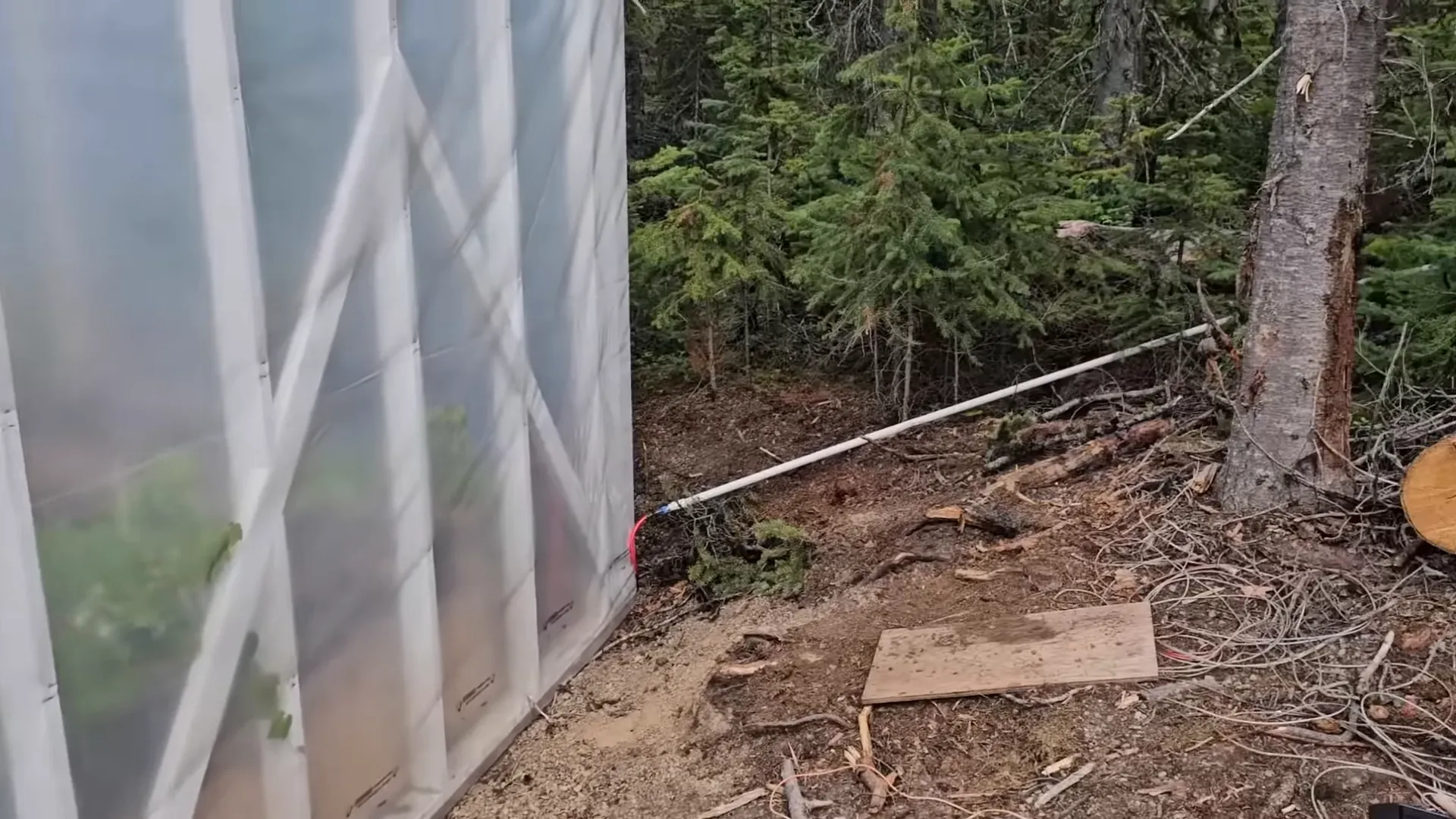
Water access is central to making the island livable without constant maintenance. We installed a spigot by the beds and planned an automated system: a float in the water tank and a pump from the lake to keep tanks topped up. Small plumbing investments yield huge convenience when you’re living Off Grid Living and focused on self-reliance.
We also considered rain catchment and eaves troughs to divert roof runoff into storage — all common tactics for sustainable Homesteading. Each improvement reduces the daily to-do list and gives us time to enjoy the island with guests.
Saying goodbye to our Island — travel prep, ferry runs, and family reunions
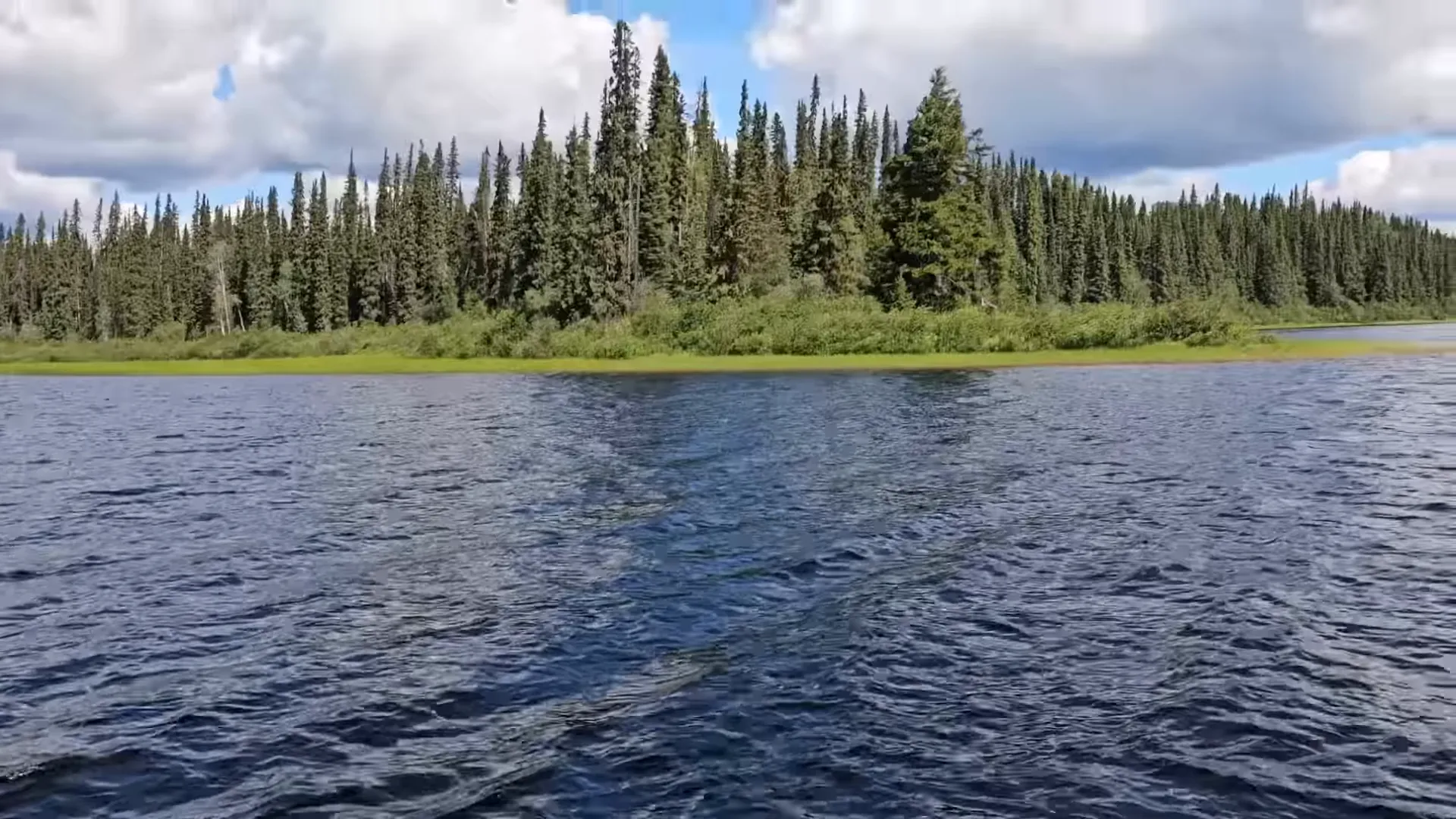
Leaving the island is always bittersweet. On this departure we packed up the barge, juggled fuel tank swaps to avoid air locks in the line, and squeezed in a last run for an Invisalign we’d left behind — the kind of small distraction that makes road trips memorable. We had to hustle to make the ferry reservation and keep an eye on potential detours caused by forest fires and logging road closures.
We’re excited to see family after long separations, and the thought of bringing grandchildren out to the island — taking them fishing, introducing them to the rugged freedom of an island life — keeps us motivated. Our plans include adding more mosquito magnets and finishing the guest spaces so everyone can visit comfortably. Off-grid family time is a huge part of why we chose this life.
Conclusion — what’s next for our Remote Wilderness Island homestead?
Every day we make the island more liveable: weatherproofing structures, refining irrigation, finishing guest sheds, and planning water automation. This episode captured a slice of the work and a slice of the everyday life that goes into creating a remote homestead. We’re learning, adapting, and slowly creating the kind of off-grid life that lets us share these quiet, wild places with family and friends.
If you’re into Remote Wilderness Island living, Off Grid Living, Homesteading, or Cabin Life Canada, we invite you to follow us on Facebook as we continue building and improving. We appreciate the company and the support as we keep turning ideas into places that welcome people for real, restorative time away from the noise.
#RemoteWildernessIsland #OffGridLiving #Homesteading #OffGridLife #CabinLifeCanada #SelfReliance #OffGridConstruction #MyWildHolm