Winter Blackout – Saving Our Solar Batteries from Ruin!
As we prepare for winter at our off-grid homestead, we face unexpected challenges that test our resilience and resourcefulness. The harsh conditions of winter require extra care for our solar batteries, which are crucial for maintaining power during the snowy months. In this post, we recount our experience racing back to our island to rescue our solar batteries from freezing temperatures and potential ruin.
Table of Contents
- Saying Goodbye to the Cabin
- Musical Barges, Boats, etc
- Winterizing the Barge
- The Road Home
- Major Carnage…
- Saying Goodbye… to Safety
- Someone Up There is Watching Out for Me
- Time to Make Tracks!
Saying Goodbye to the Cabin
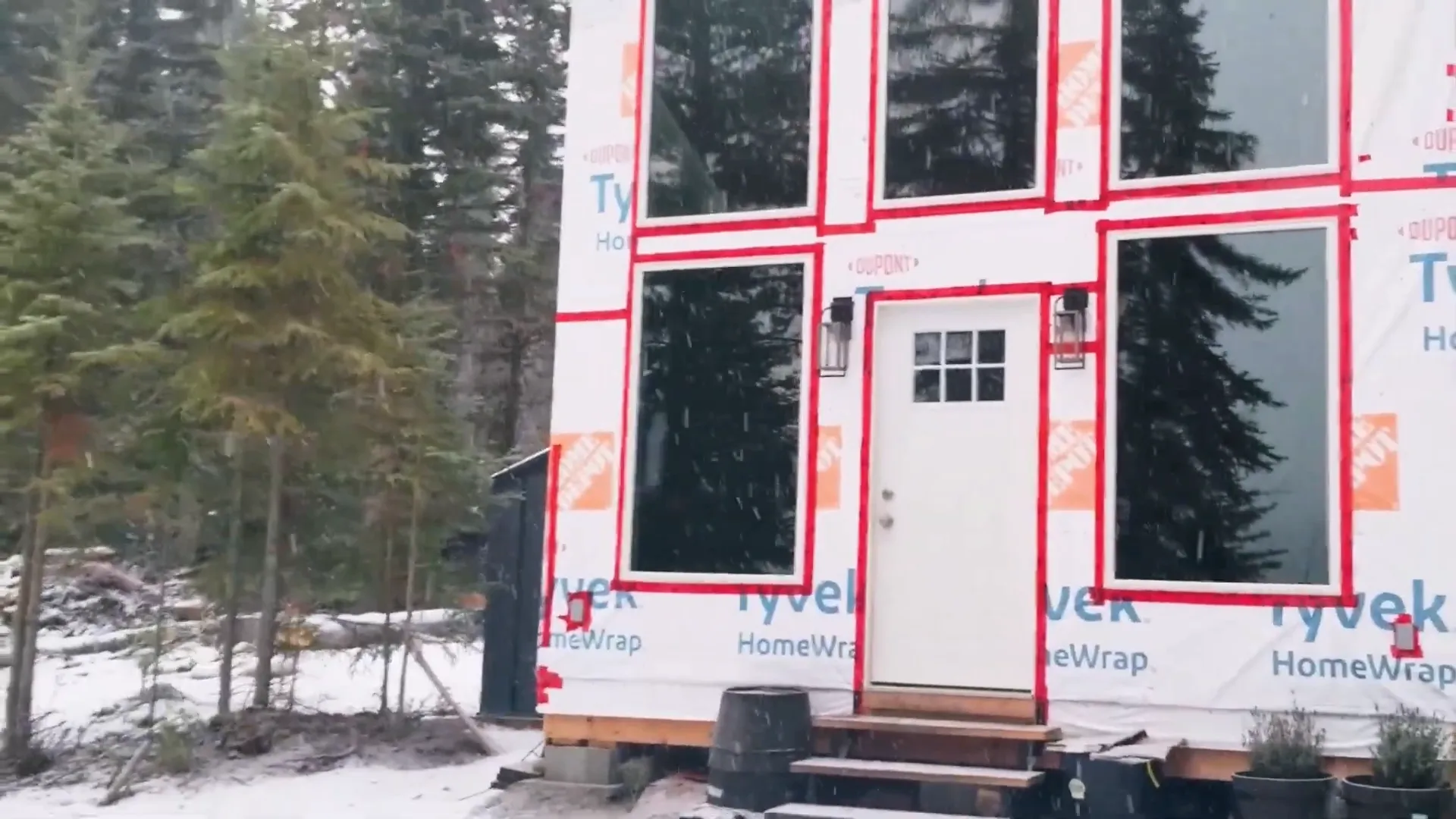
As we wrap up our time at the cabin, we reflect on the beautiful days we’ve spent there. It’s bittersweet to close up the cabin as we prepare to leave for the season. We check on our solar batteries and panels, which are performing well, generating over 4,000 watts. We figure this energy production should help keep our batteries warm and preserve them during our absence.
Musical Barges, Boats, etc
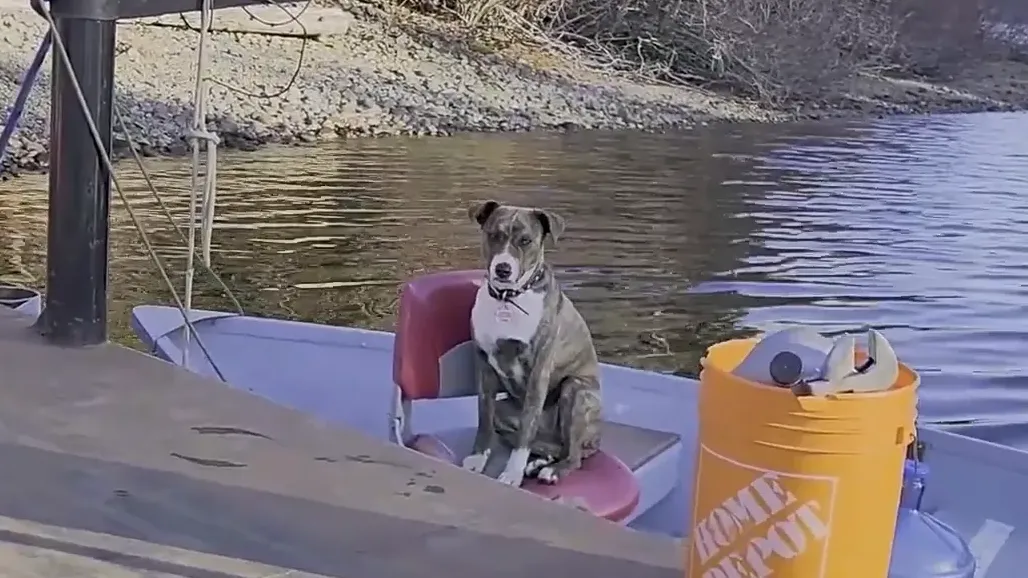
We begin the process of unloading the barge and packing the truck. Then we need to hurry back to the island to secure the barge for the winter. We dock the barge, tie it off and head to the cabin for tools and supplies. After winterizing the barge, we hop into the boat and head back to the truck, pull the boat out of the water, hook the trailer to the truck, and head out.
Winterizing the Barge
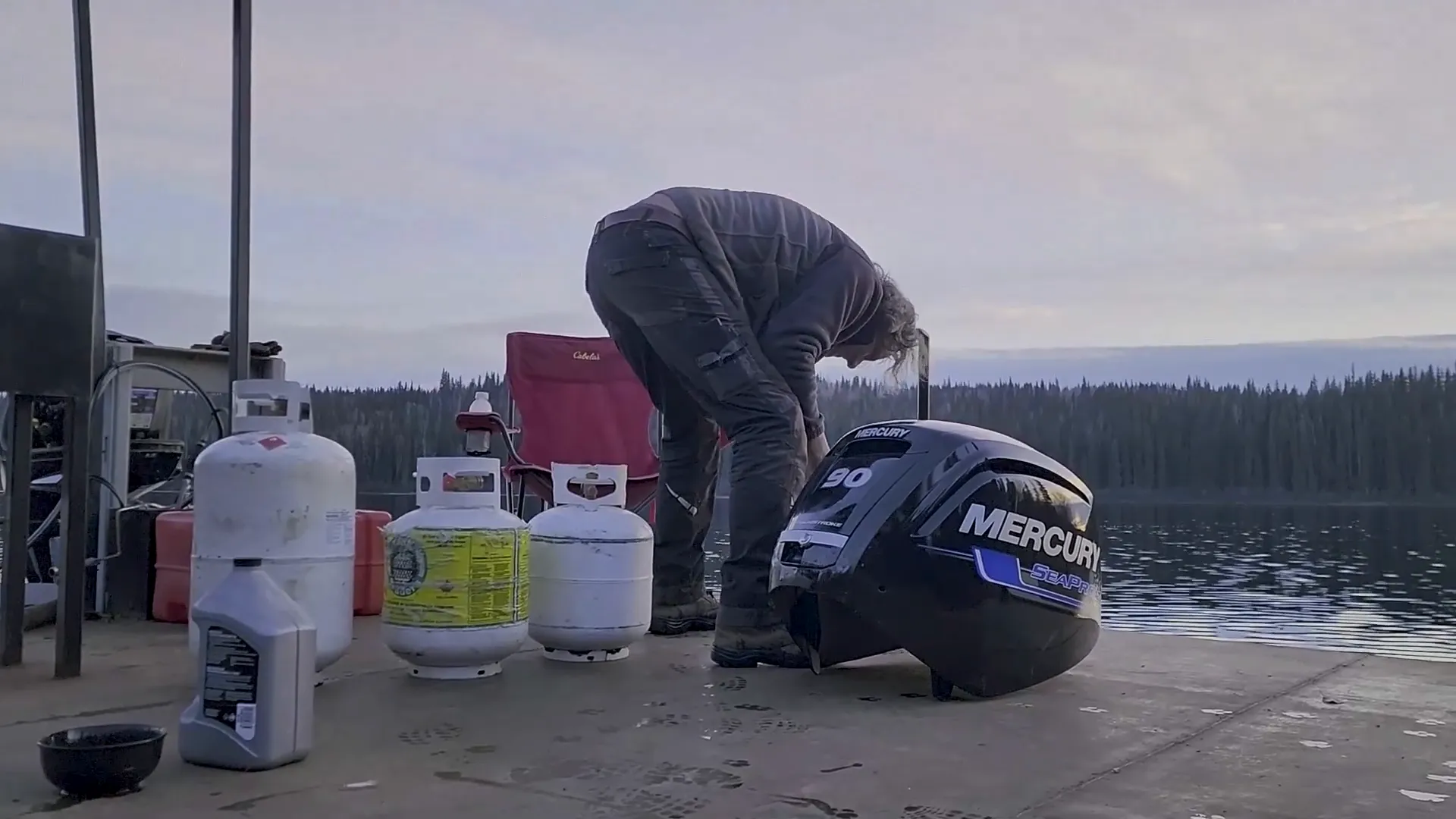
Winterizing the barge is an essential step in preparing for the cold months. This includes checking for any potential issues and ensuring everything is in working order. Teamwork is required to change the oil in the leg, condition the fuel system, and fog the cylinders. This was a cold, oily and messy experience. No fun at all!
The Road Home
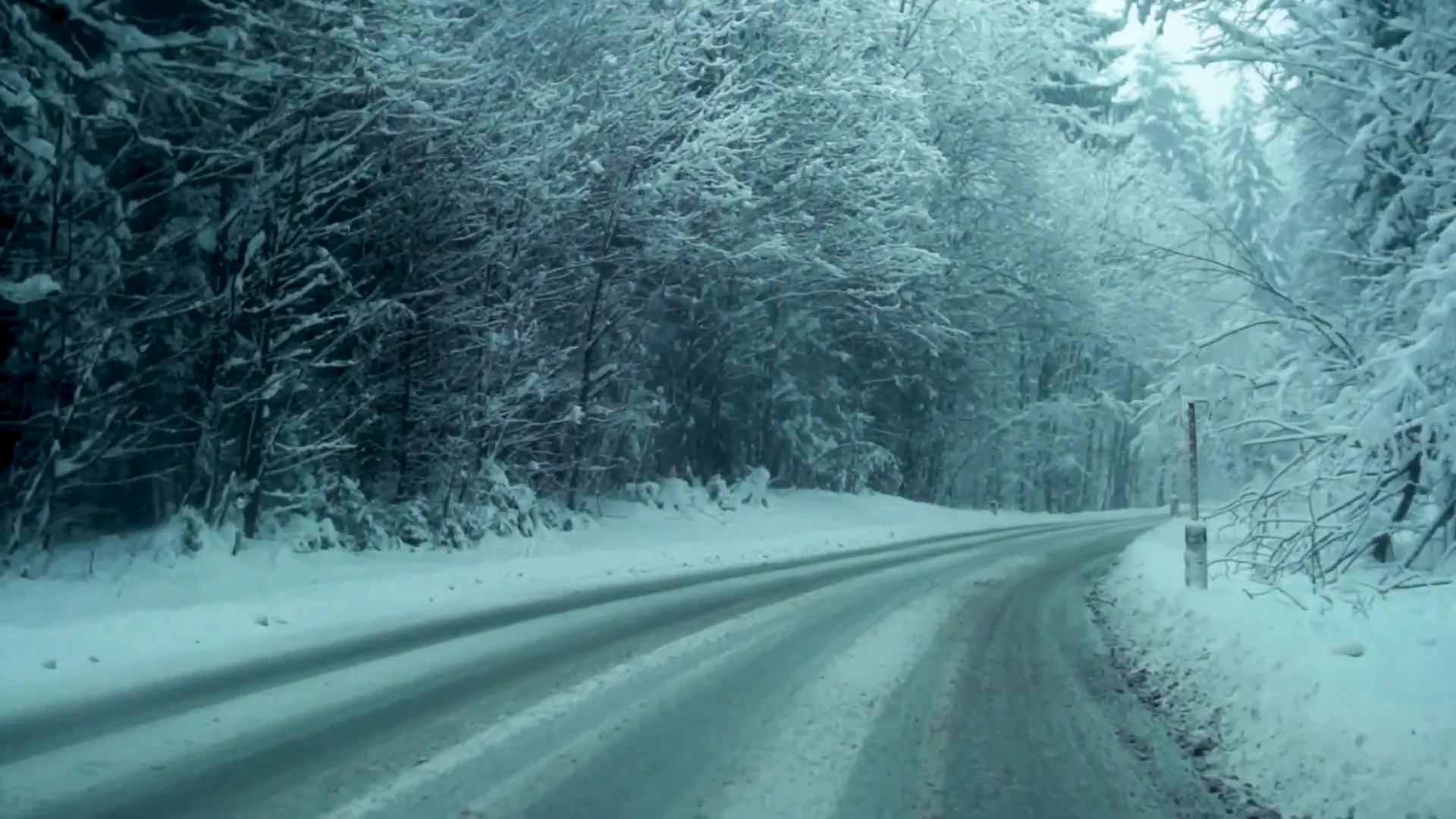
As we begin our journey home, we feel a mix of exhaustion and satisfaction for all we’ve accomplished this year. We were so relieved to reach the hotel and s-l-e-e-p. We stayed an extra day at the hotel to relax and regroup before the final push back to our home-base.
major carnage from the road to save our solar batteries…
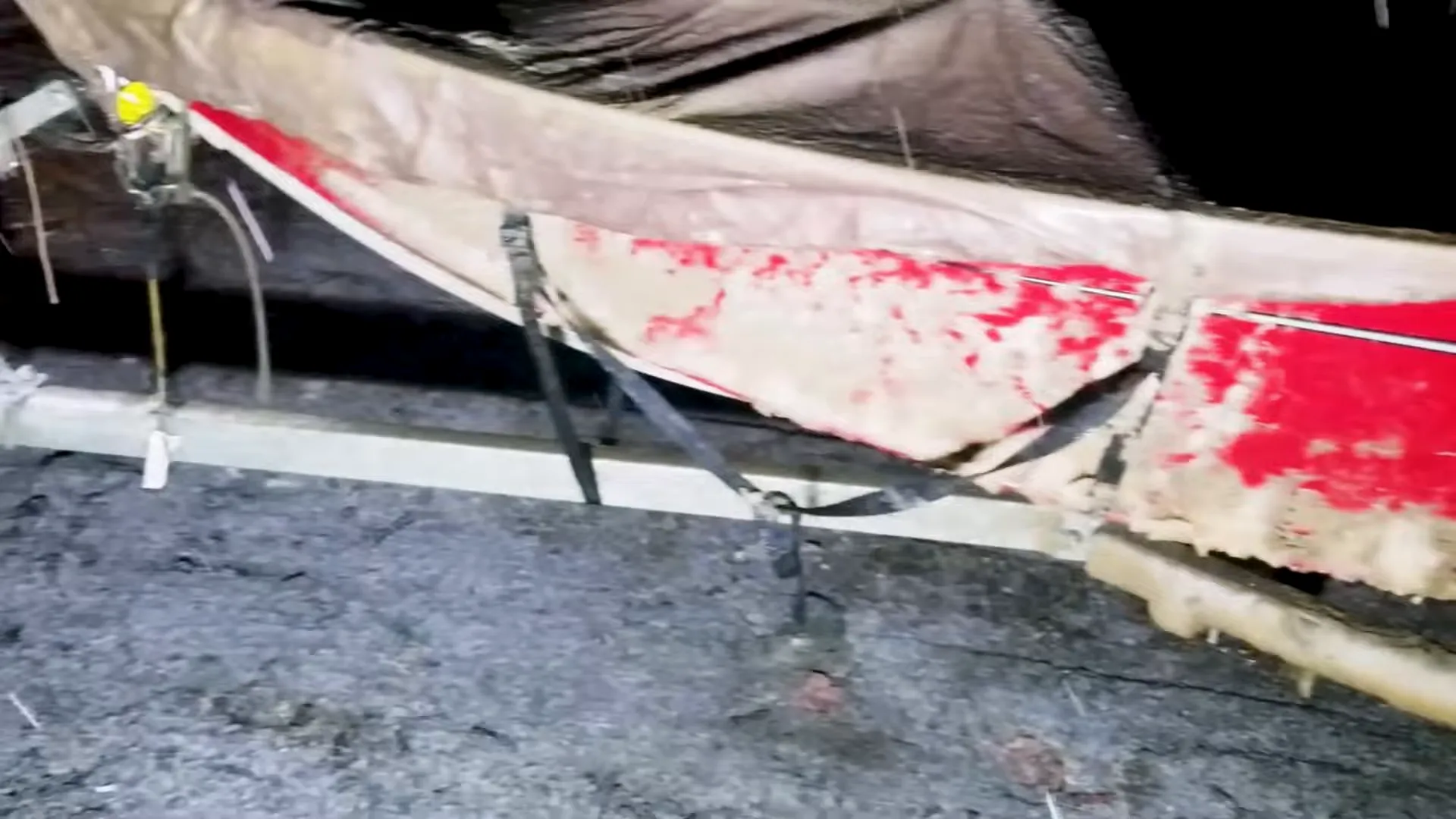
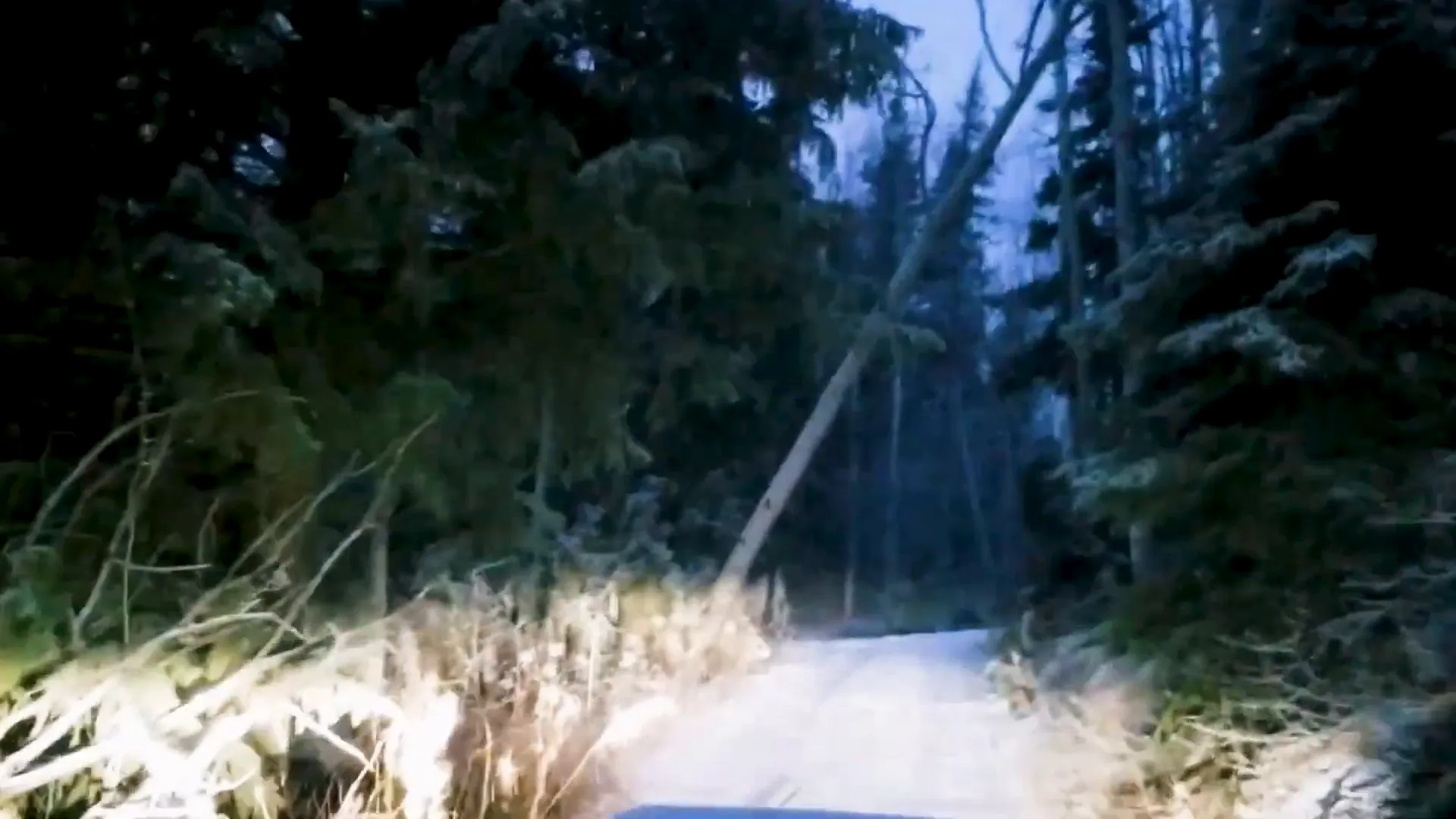
We hadn’t even arrived when Ryan received telemetry from the solar power system indicating that it was failing! He had to immediately return to the island to assess the trouble with the solar batteries. Navigating back to the island was fraught with challenges. The road was a soupy mess! With the deteriorating weather, Ryan encounters treacherous road conditions and the worry that he wouldn’t bet back in time to prevent our solar batteries from freezing and suffering permanent damage.
Saying Goodbye… to Safety
As night falls, Ryan sets his jaw, steadies his resolve and prepares for a night crossing on the water. With ZERO visibility, freezing conditions and no navigation aids, it’s a treacherous race against time. What is normaly a 4 minute ride at wide open throttle, takes hours. It was the scariest thing Ryan had ever done.
Someone Up There is Watching Out for Me
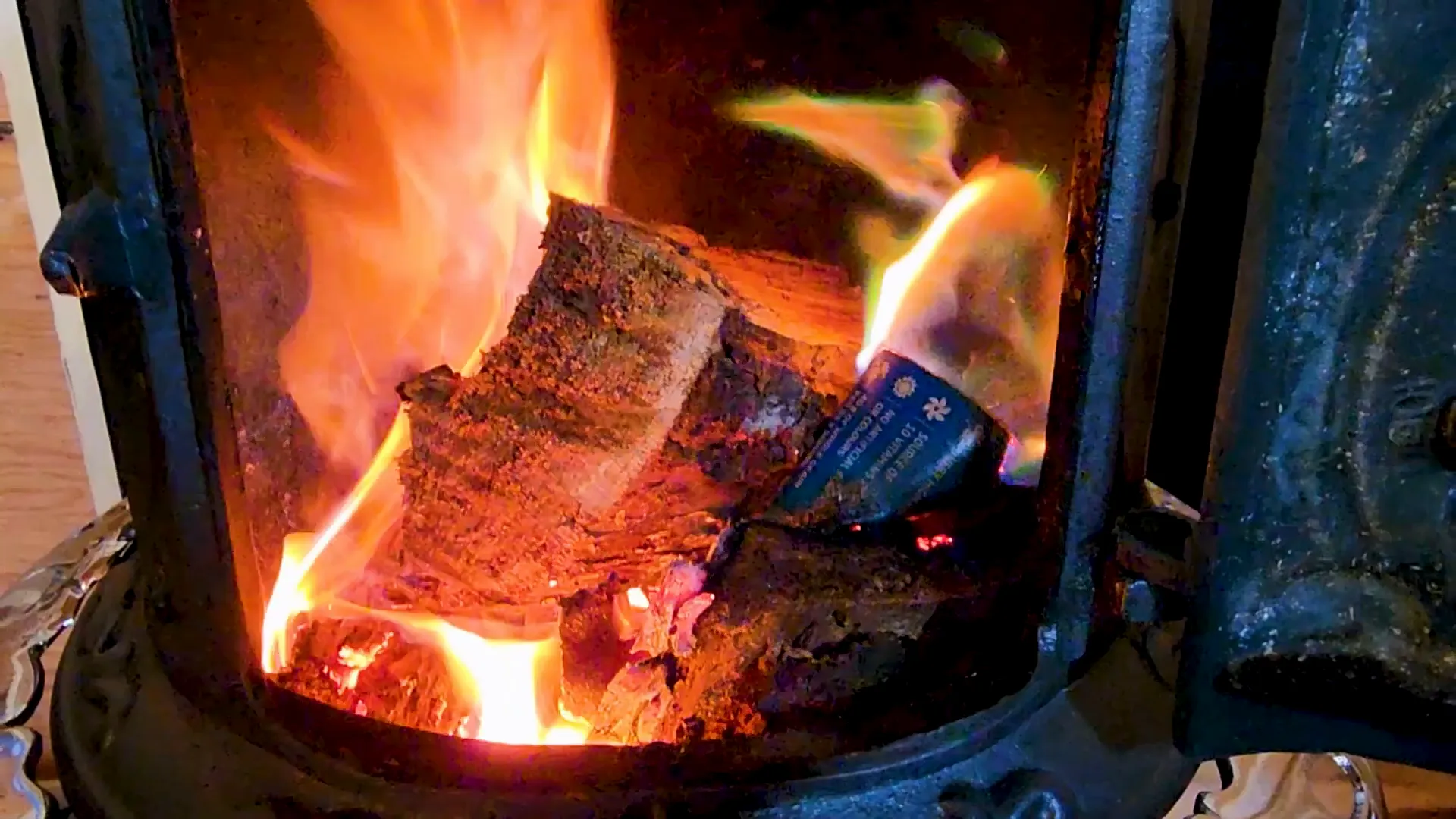
After a tense journey across the water, Ryan eventually manages to reach the island safely. It’s a relief to finally be warm and safe, but the work is just beginning. A quick assessment reveals the need to move the batteries to a warmer location before the temperatures drop too low.
Time to Make Tracks!
Ryan loads the batteries into the boat, but it can only carry 3 batteries at a time. It takes 4 trips just to get the 1300lbs of batteries over to the truck! Each battery weighs around 110 pounds, and with twelve of them to move, it’s no small feat. We know that if we don’t get them off the island soon, they could freeze and become unusable.
Solar batteries are expensive and require proper care. Ensuring that our solar batteries are stored in a warm environment is crucial to their longevity and functionality. Now that they are safe, we look forward to returning in the spring, ready to tackle new projects and continue building our off grid homestead.
If you would like to know more about the off grid adventures of My Wild Holm, be sure to check out our Favorite Things page and follow us on Instagram, Pinterest, and Twitter.
Thank you for reading! If you enjoyed this post or found it useful, please share your thoughts and experiences in the comments below!