Helicopter Medevac Rescue: Wife Left ALONE on a Remote Island for 11 Days – My Wild Holm S3 Ep32
When Ryan suffers a serious accident, he’s medevac’d off our off-grid wilderness island—leaving Melodi completely alone for 11 days to keep our homestead going. Slightly concerned after an uninvited bear recently appeared on our island, to caring for our greenhouse and fruit trees, to a stealth generator mission before Ryan’s return, this episode is filled with resilience, self-reliance and a much ‘looked forward to’ reunion.
Table of Contents
- Moonlit Loons and Off-Grid Serenity – remote island living
- Update from the Hospital and Remote Care – helicopter medevac considerations
- Helicopter Return: Ryan Comes Back via Yellowhead Helicopters – Yellowhead Helicopters
- The Stealth Generator Mission and Off-Grid Problem Solving – off-grid homestead logistics
- Touchdown: The Helicopter Landing and Reunion – remote island living emotional moments
- Pants, Rust and Getting Back to Work – homestead life maintenance
Moonlit Loons and Off-Grid Serenity – remote island living
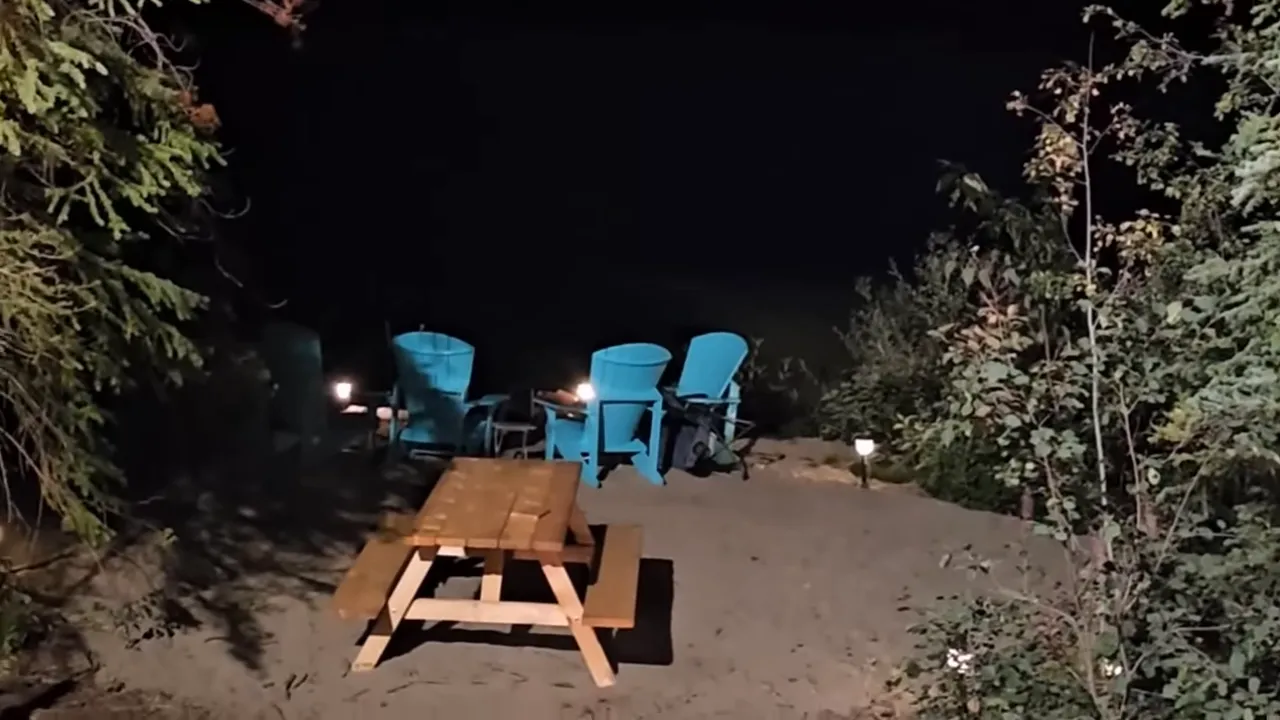
We spent quiet days watching the lake and listening to loons. Living off-grid means tending the small things that keep us fed and warm. I walked through the greenhouse, checking tomatoes, peas, zucchini and even my first grapes. The apples were ready to pick and the pumpkin surprised me. In the middle of caring for plants and hauling water, we were also mindful of wildlife after a recent bear visit.
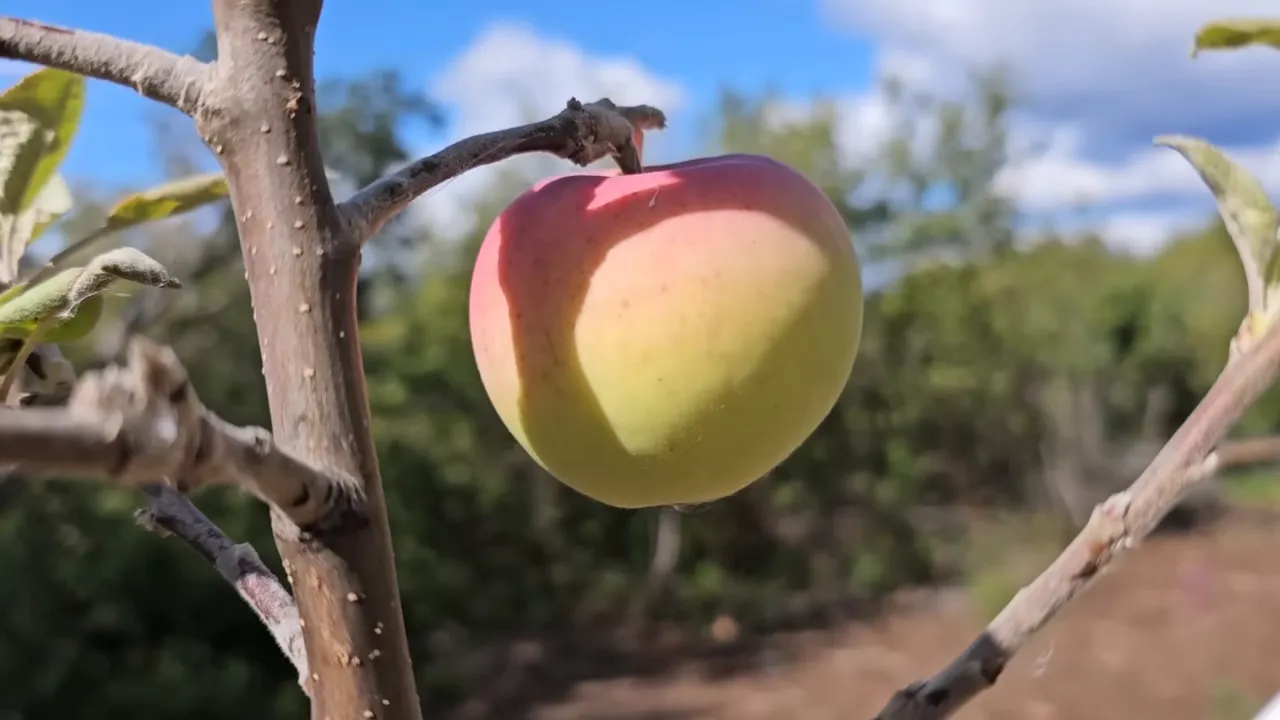
Between watering, freezing banana slices for smoothies, and fixing up a little clothes rack for storage, those ordinary homestead tasks felt more important than ever. We try to keep our homestead resilient by staying on top of the basics: food preservation, small repairs, and making sure our shelter and fuel are in order.
Update from the Hospital and Remote Care – helicopter medevac considerations
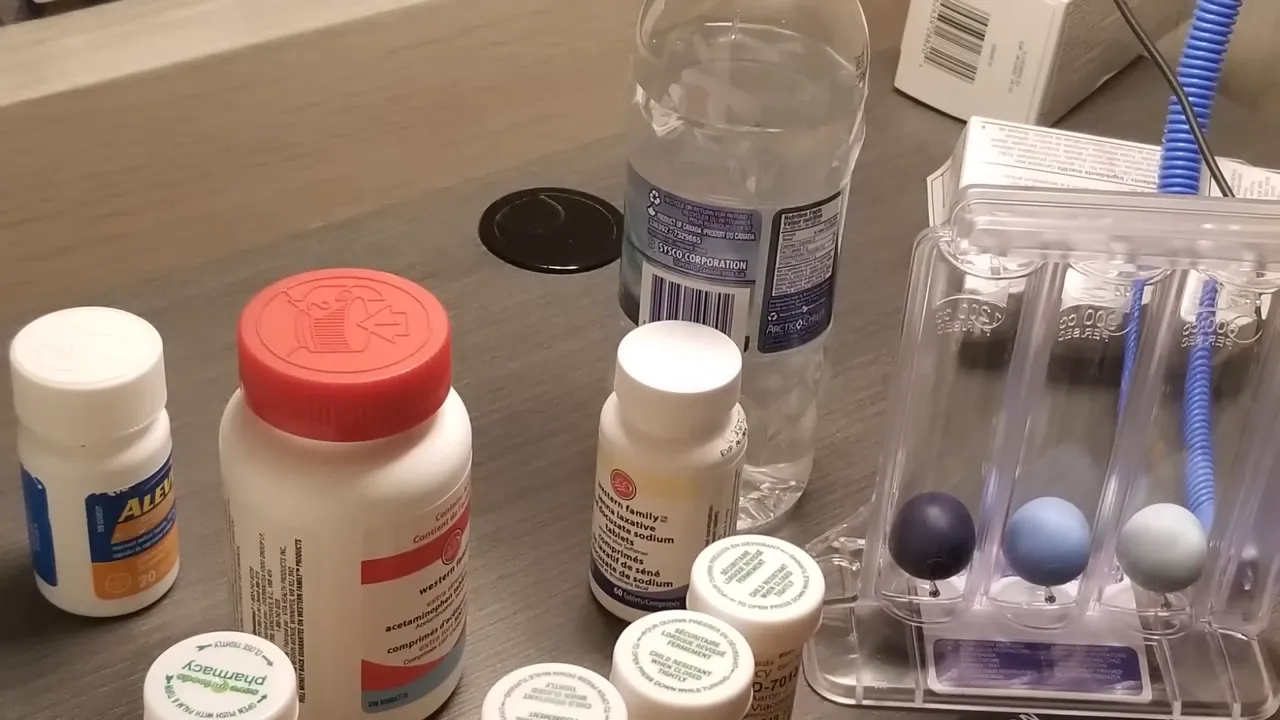
When Ryan was medevac’d off the island, the reality of living remotely hit home. Supplies must stretch, communications can be limited, and decisions get more stressful when one person is suddenly away. We were lucky the BC Medical helicopter service responded quickly and professionally.
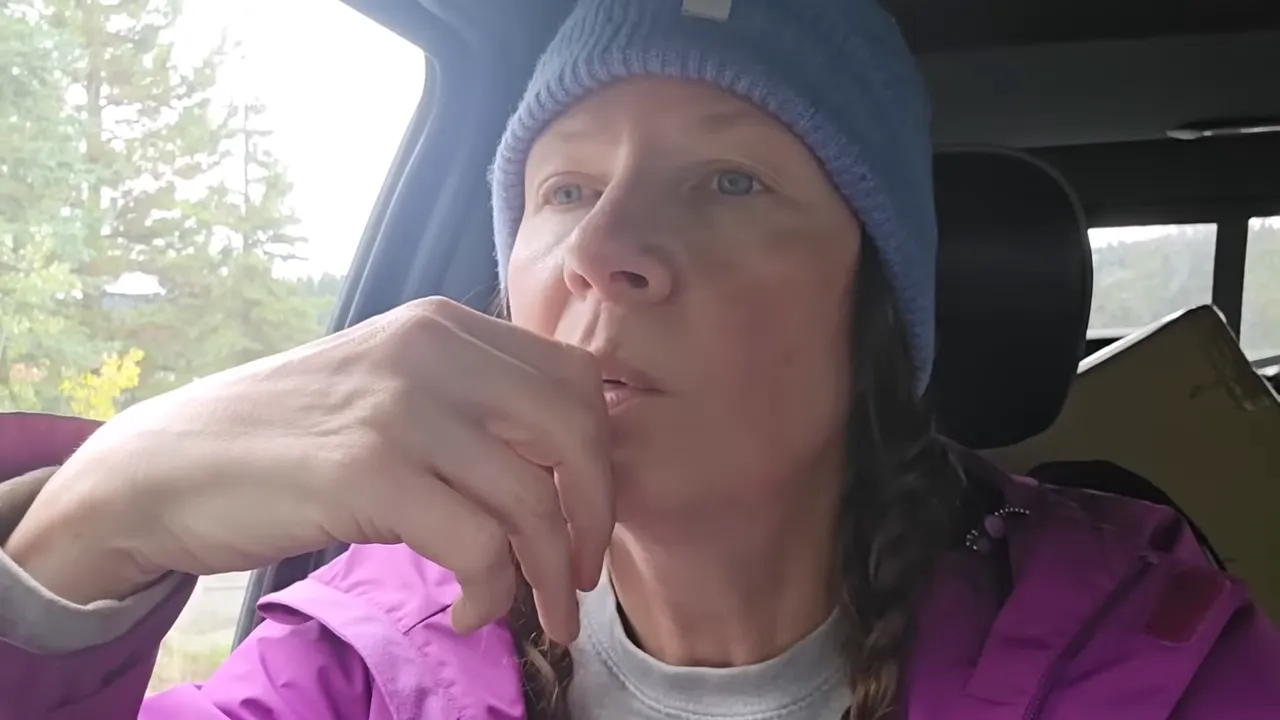
During those eleven days, I fell ill for a short spell and had to rest. That made the following lessons clear: keep clear checklists, know where spare fuel and tools are stored, and have contingency plans for winterizing. Training on equipment such as our loader, nicknamed Pepper, is now higher priority so a single person is not left unable to manage heavy items or move barges when needed.
Helicopter Return: Ryan Comes Back via Yellowhead Helicopters
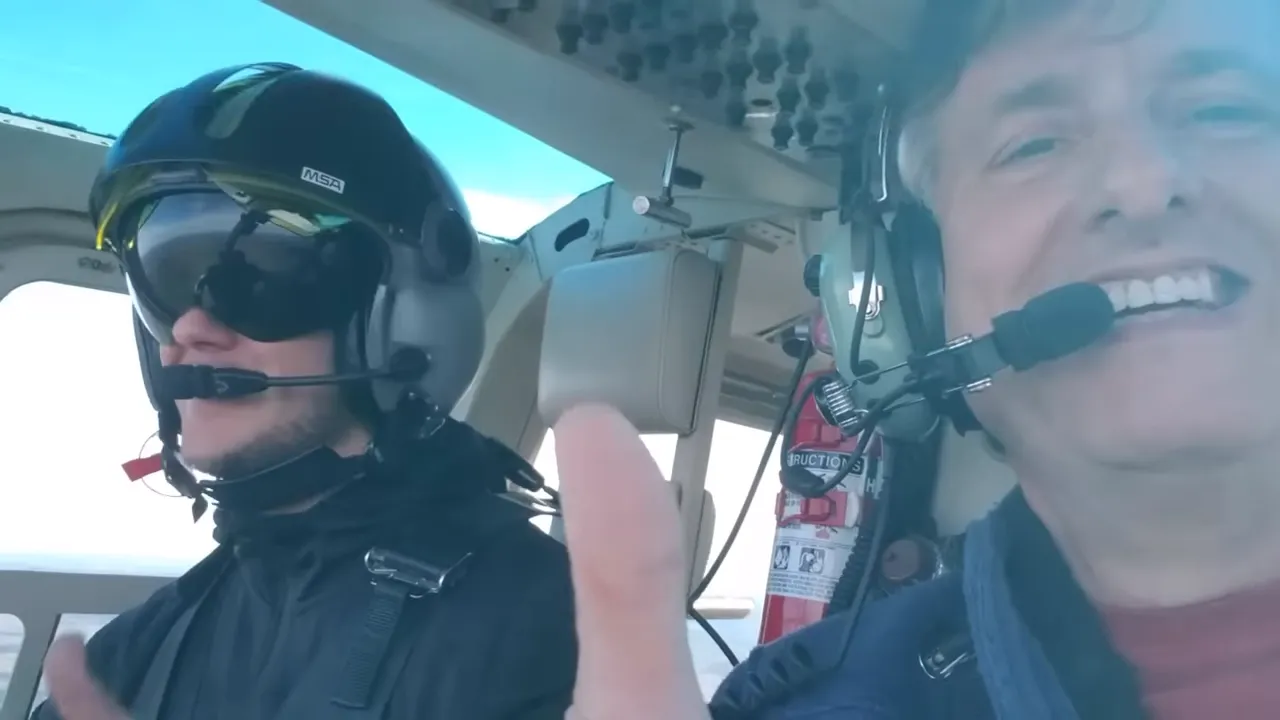
The return flight from Yellowhead Helicopters felt like a miracle. From above, you get a real sense of how isolated we are—logging roads and patchwork forest as far as the eye can see. The pilot, Trig, flew a Bell 206; he was calm and reassuring and made a difficult transport feel smooth and safe.
The door-to-door trip saved hours of bumpy road travel, which matters when someone is recovering from eight broken ribs. We cannot overstate our gratitude to those who operate medevac and charter flights in remote regions. For anyone living remotely, having contacts for trusted aviation services is an essential part of being prepared.
The Stealth Generator Mission and Off-Grid Problem Solving – off-grid homestead logistics
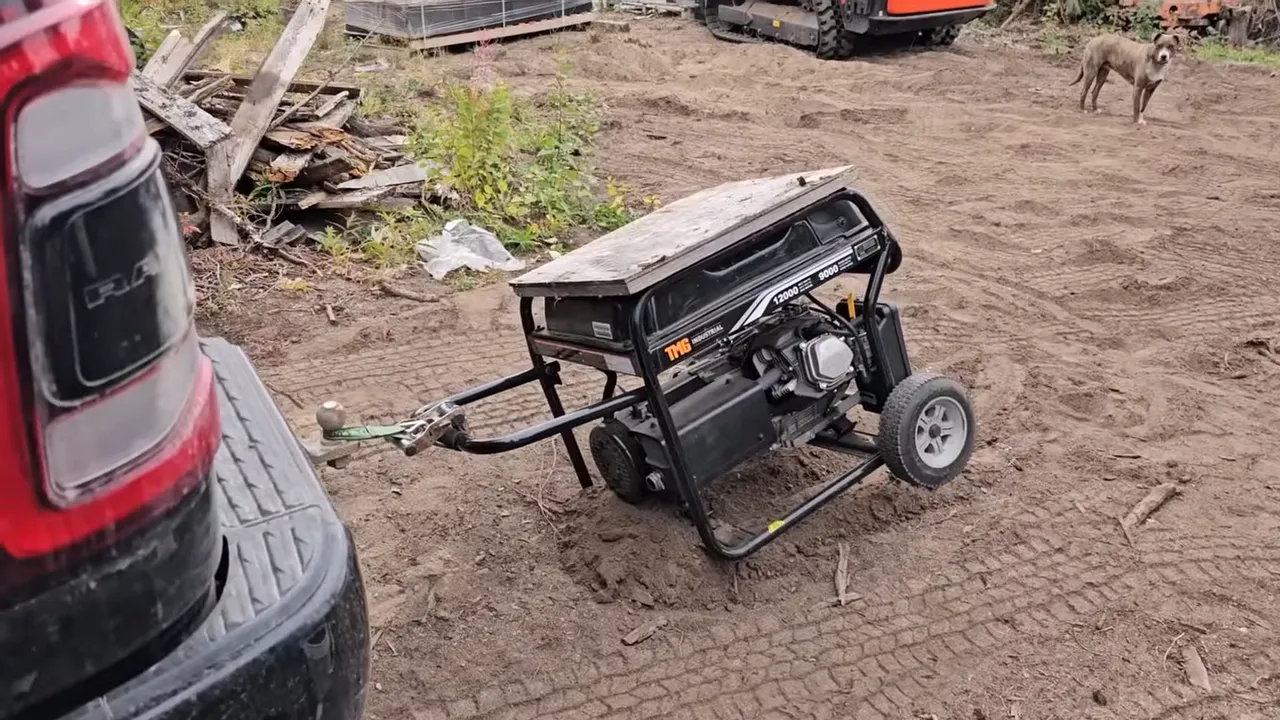
Faced with cloudy days and the possibility of low solar output, I tried to bring our large generator closer to the tiny cabin. Ryan would have preferred I not attempt it, but I wanted to be proactive. I hooked the generator up to the hitch and tried pulling it carefully, inching forward a foot at a time. Even with experience driving large trucks in tough conditions, narrow corners and trees made the plan fail.
There are two takeaways. First, always have a tool or machine that can safely move heavy gear; in our case Pepper could have lifted the generator with its forks. Second, plan for single-person operations: shorter straps, better access, and knowing how to operate the equipment now so that when an emergency happens later, one of us is not stranded trying a risky maneuver.
Touchdown: The Helicopter Landing and Reunion – remote island living emotional moments
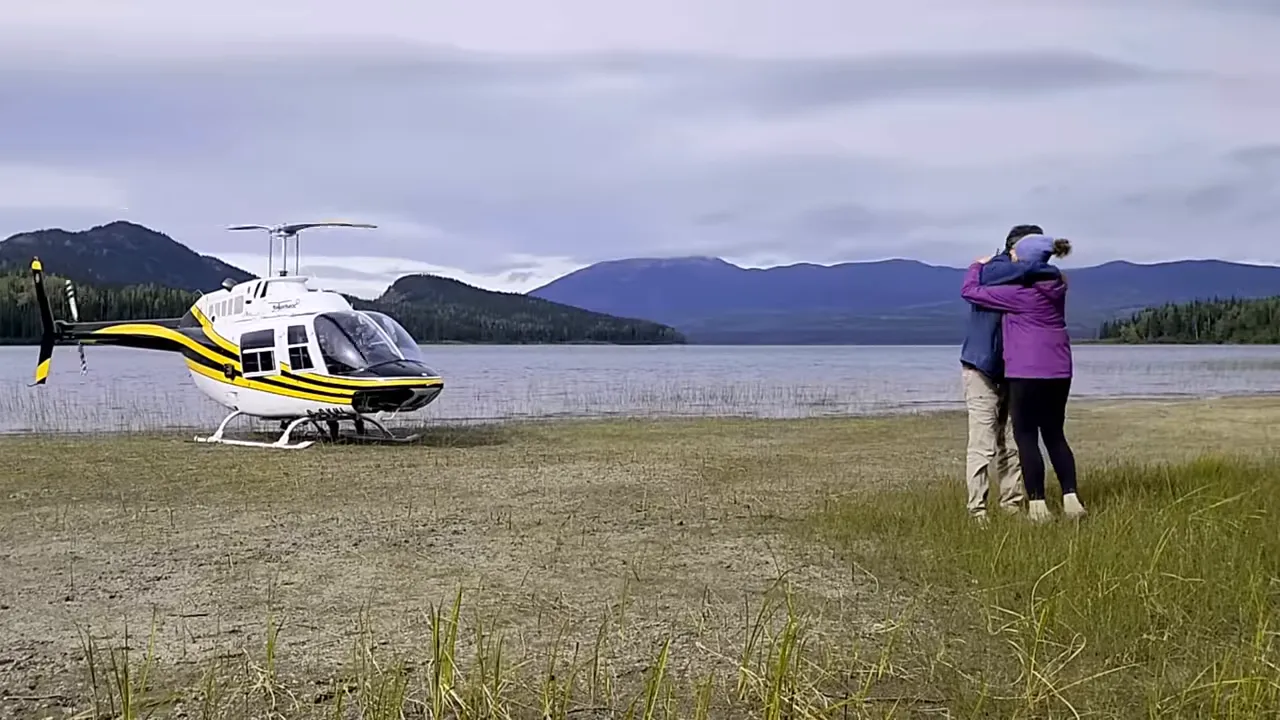
Watching the helicopter come in was a scene we had both been waiting for. Landing on the beach, the pilot helped unload gear and Ryan stepped out, frail but smiling. The reunion was equal parts relief and assessment: which repairs to prioritize, what needs protection from rust and rain, and how to move forward with winterizing.
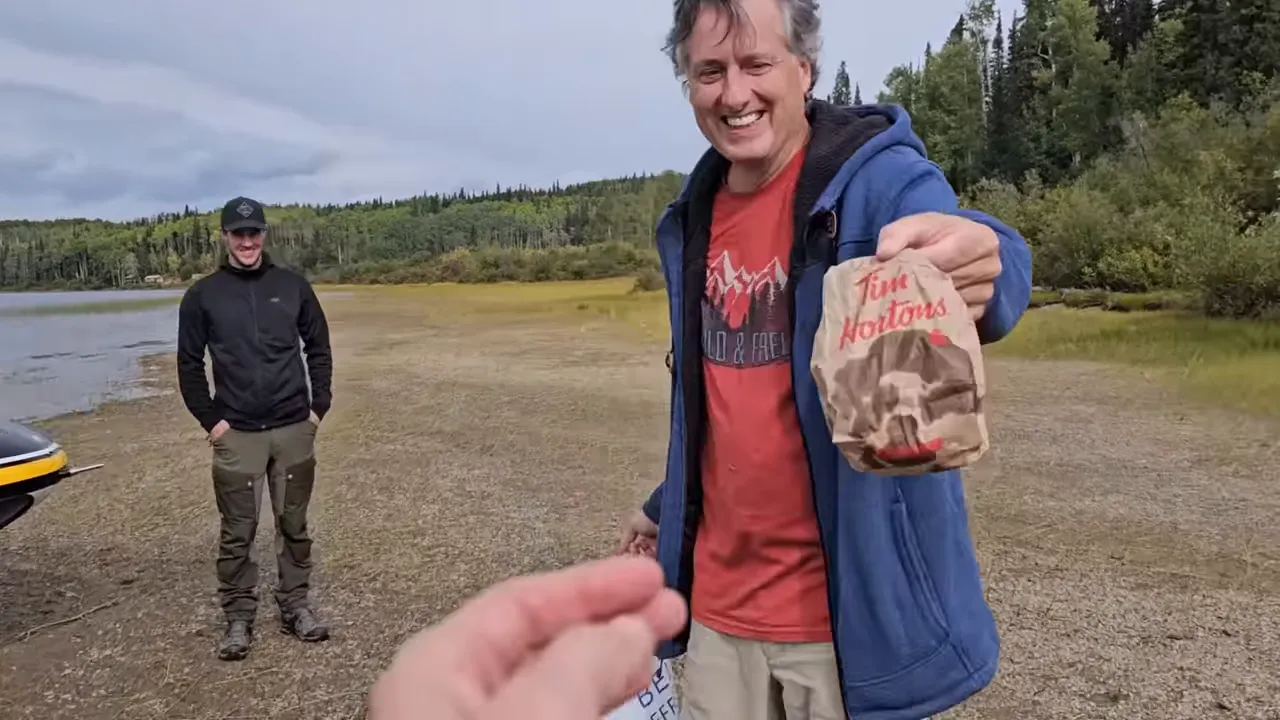
We joked about the important items he brought back, like dog food and a little bag of Tim Hortons cookies. Small comforts add up when recovering and when life is remote. After a medevac, the real work is adapting operations so both recovery and homestead maintenance can proceed safely.
Shredded Pants, Rust and Getting Back to Work
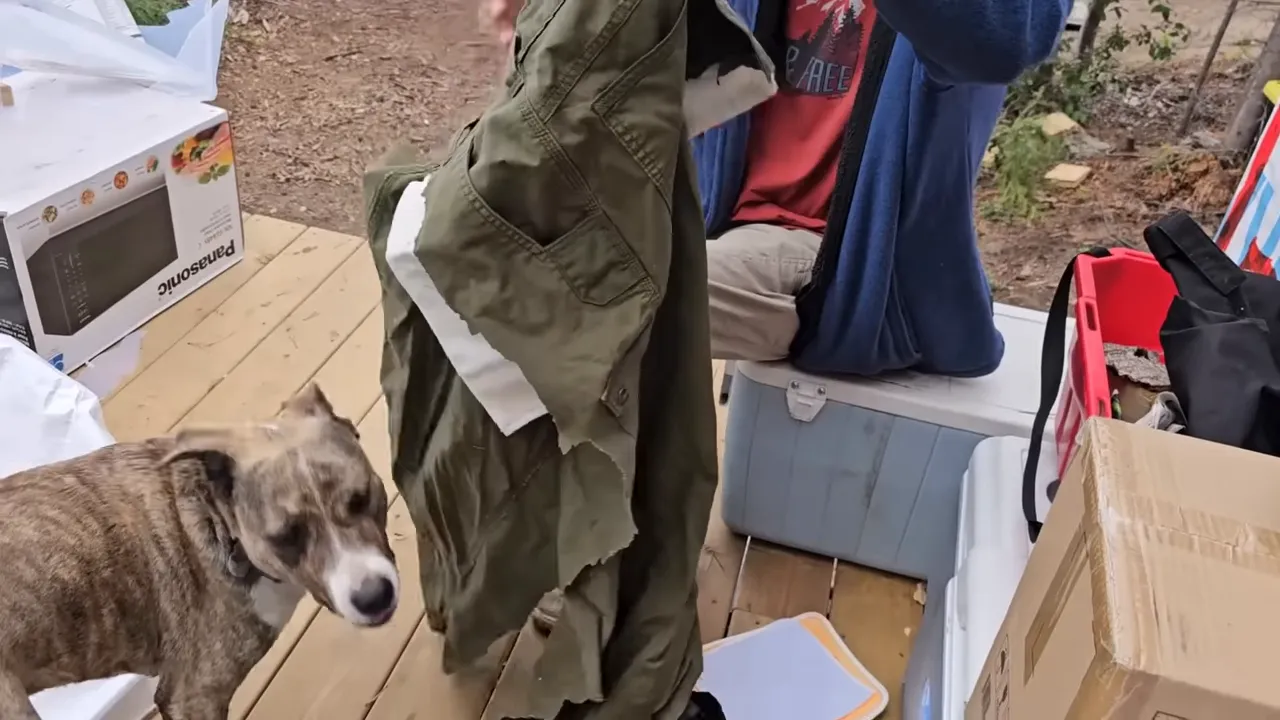
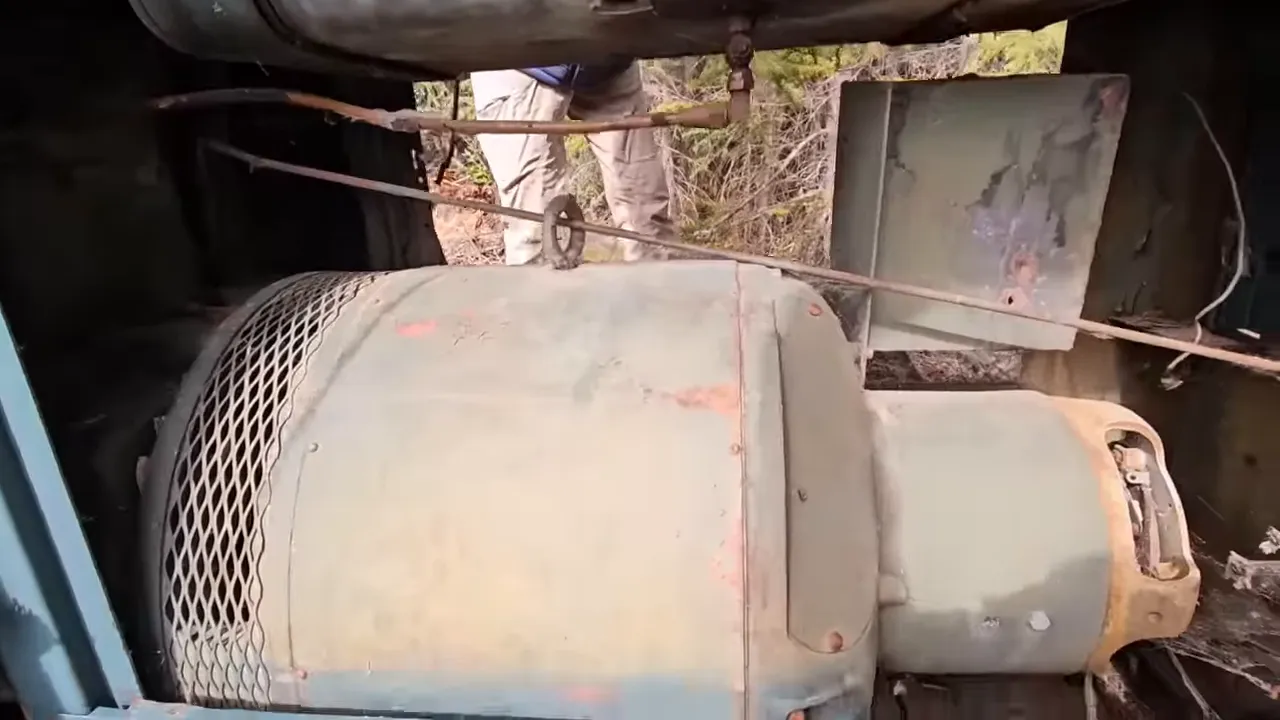
Those were my FAVORITE pants… my Carhartts! Ugh!! Post-flight inspections found welds we had done now showing surface rust from being rained on. The plan: a quick wire-brush clean, a coat of rust-inhibiting spray, then a tarp until weather allows a full finish. The generator we hauled has parts missing and clipped wiring, but the engine probably still works. It will make a good restoration project.
We also committed to train Melodi on operating Pepper. The loader is simpler than an excavator but needs respect and safety rules: always keep the bucket on the ground before exiting, use handrails and footholds, and never stand between the bucket and the machine. These are the practical skills that turn a precarious home situation into a capable, resilient off-grid homestead.
Practical tips we recommend for remote island living
- Keep a prioritized kit of contacts for medevac and local charter aviation.
- Store spare fuel, spare parts, and a basic toolbox in easily accessible locations.
- Train multiple household members on essential equipment like loaders and barges.
- Plan for wildlife interactions: secure food and maintain perimeter awareness.
- Wrap exposed metal and tools with tarps and rust-inhibitor spray when leaving items outdoors.
Throughout this article we emphasize being prepared, practicing safe equipment operation, and keeping lists and plans so one of us can manage alone when the other is away. Boldly, we have learned that small everyday choices—where we store ropes, how we tarp metal, and who knows how to move a generator—make a world of difference in remote island living.
Keywords used in this article: Helicopter Medevac Rescue: Wife Left ALONE on a Remote Island – My Wild Holm S3 Ep32, off-grid, remote island living, helicopter medevac, Yellowhead Helicopters, homestead, off-grid homestead, homestead life
Video thumbnail URL: https://i.ytimg.com/vi/Mw51uVPnH8A/maxresdefault.jpg
#HelicopterMedevacRescue #OffGridLife #RemoteIslandLiving #WildernessSurvival #CanadianHomestead #YellowheadHelicopters #EmergencyRescue #HomesteadLife #OffGridHomestead #BCWilderness