We Received a Private Watercraft Inspection Order!
While we were traveling back to our island, we encountered a significant obstacle—a private watercraft inspection order from the Invasive Species Control Branch of the Department of Oceans and Fisheries Canada (DFO). This order is part of a government mandate to preserve Canadian waters and protect them from aquatic invasive species like the Zebra Mussel. In this post, we’ll take you through the inspection and remediation process performed on our barge, sharing insights on the importance of compliance and awareness regarding invasive species.
Table of Contents
- Loading the Auction Items
- Watercraft Inspection at Vermilion
- The Issue Explained
- Drilling Holes in the Bottom of the Barge
- A Short Walk Down Memory Lane
Loading the Auction Items

We received inspection order in Manitoba, and were directed to report to a decontamination station in Vermillion BC. On the way, we stopped in Saskatoon to pickup some articles we purchased at auction. We had a nice collection of supplies waiting for us including a diesel-powered pressure washer, a 12-kilowatt generator, a 450 litre fuel tank, a commercial wood-chipper, and a 650-gallon black poly water tank, which is perfect for preventing algae growth. We also picked up winches and logistics gear to assist with our barge operations. Organizing all these supplies on our island, where trees are plentiful, will certainly be a task!
Watercraft Inspection at Vermilion
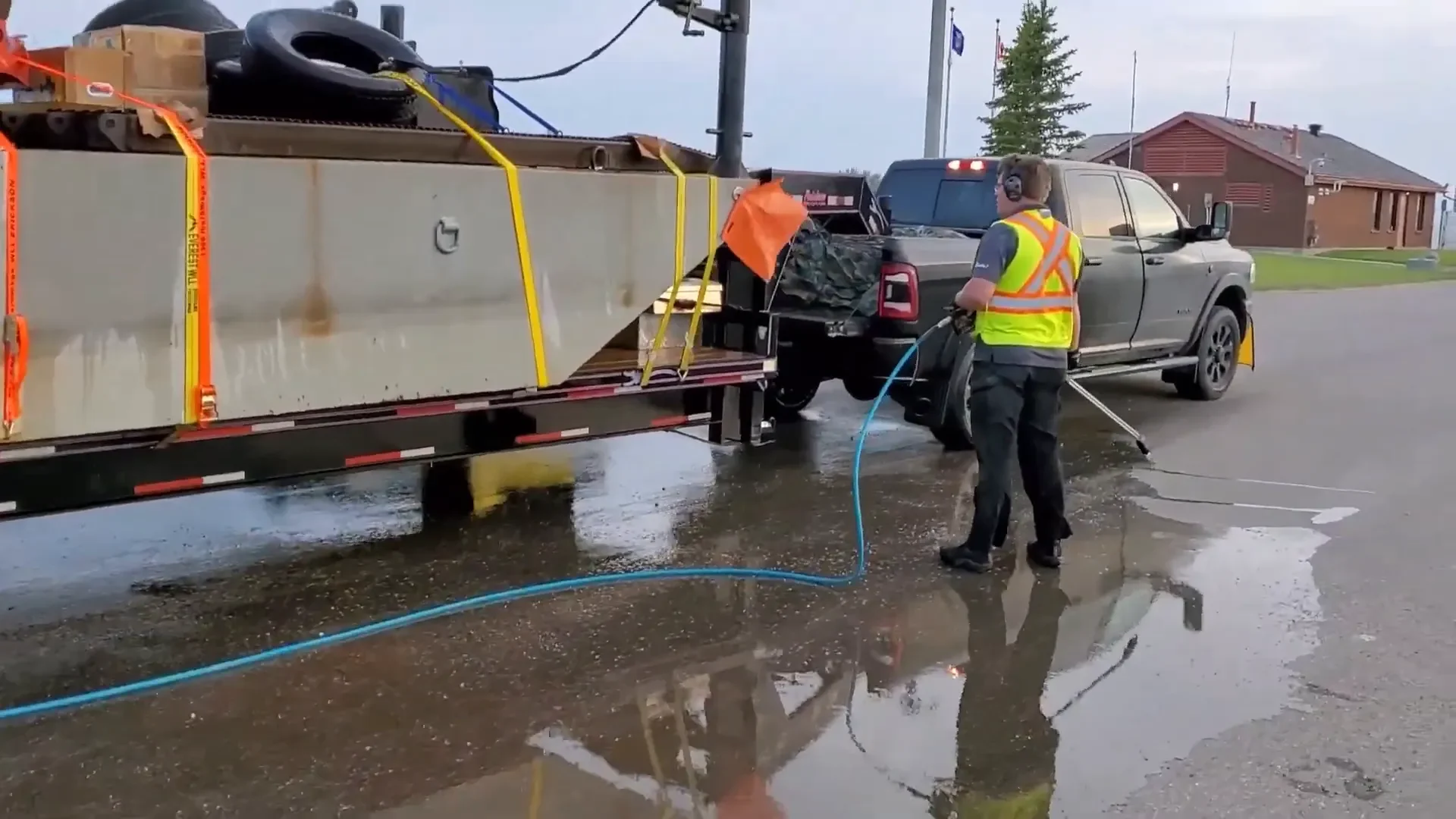
Our next stop was Vermilion, Alberta, where we had to address the decontamination order we received in Manitoba. The inspection process was thorough, with inspectors looking for any signs of aquatic invasive species, particularly zebra mussels. To our relief, they found no biological material inside our barge, but we did discover some water and rust inside that we’ll need to address. The inspectors were very cooperative and emphasized the importance of preventing these invasive species from spreading.
The Issue Explained
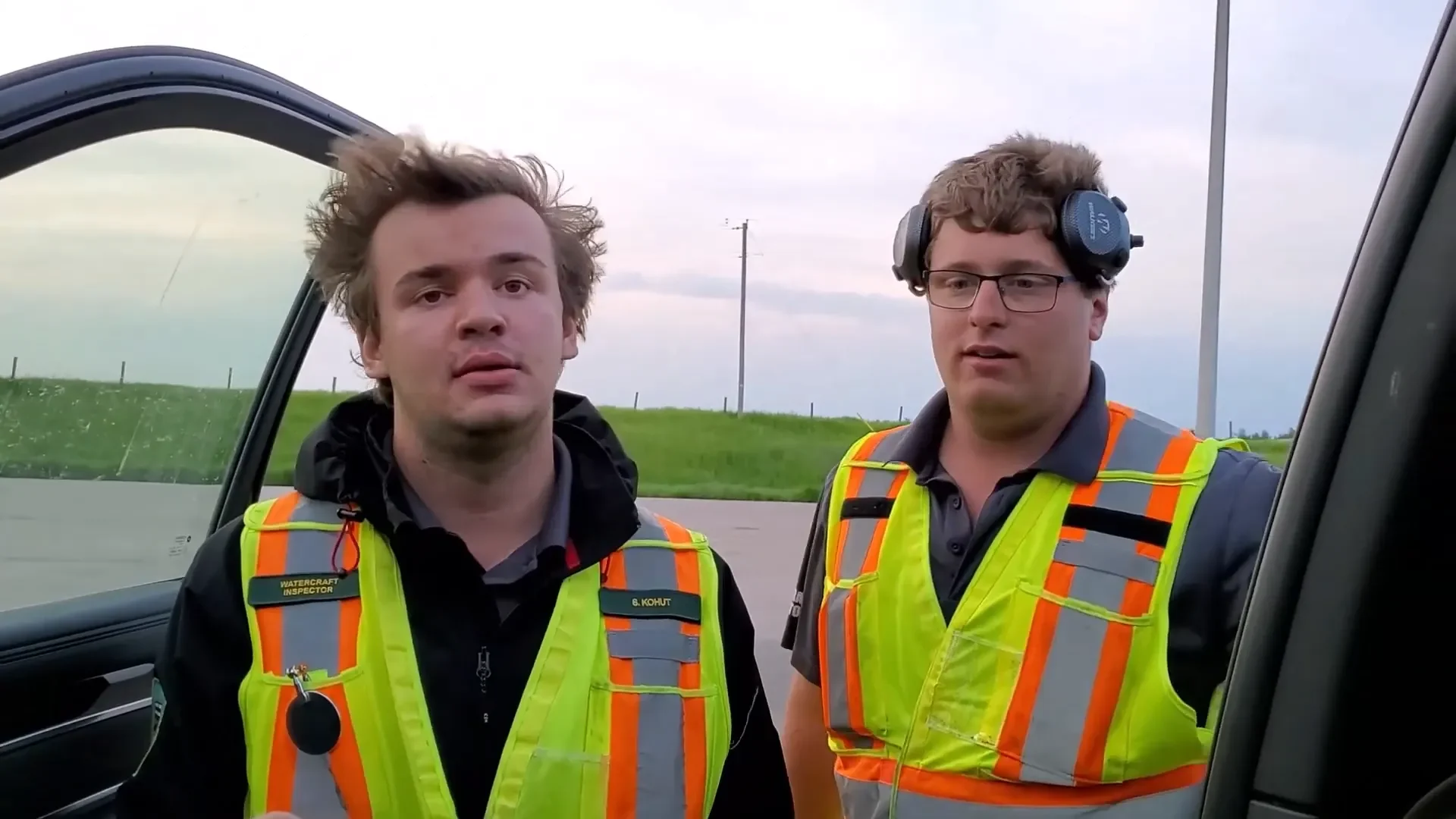
During our inspection, the inspector explained the serious threat posed by zebra and quagga mussels. These species can reproduce in massive numbers and create dense colonies that are difficult and expensive to remove. They can severely disrupt local ecosystems by outcompeting native species for resources. The inspector highlighted that even small amounts of water can harbor juvenile mussels, which is why we must be vigilant in ensuring our equipment is clean and dry before moving between water bodies.
Drilling Holes in the Bottom of the Barge

After the inspection revealed water in the hull, we decided to install a drain in the bottom of our barge to prevent future water accumulation. We were fortunate to find a skilled metal worker who was able to drill and weld a removable plug into the barge’s hull. He also added additional holes for a bilge pump and the wiring to control it. This will allow us to easily drain any water that collects inside, ensuring that our barge remains in good condition and free of any potential contaminants.
A Short Walk Down Memory Lane
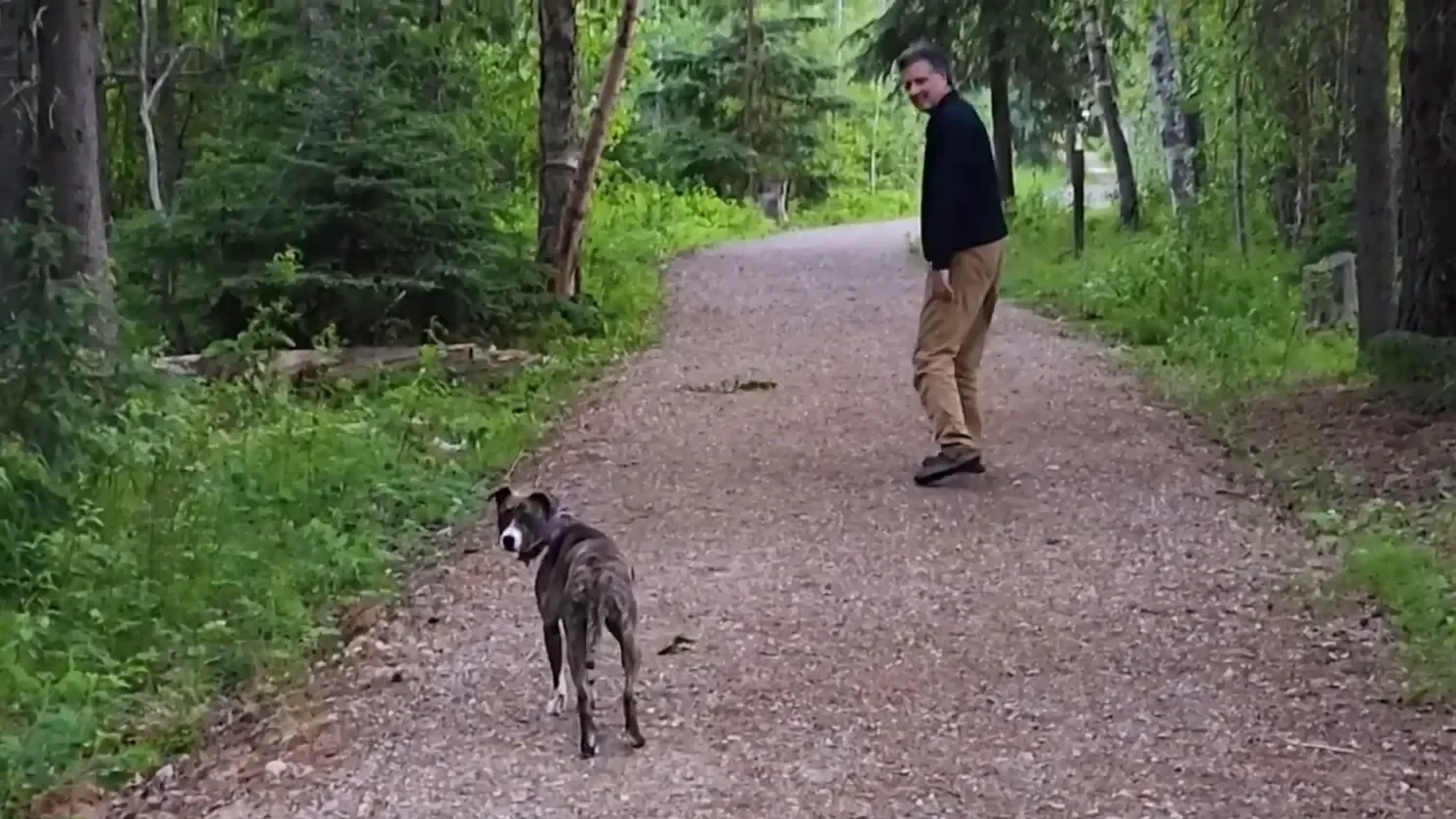
As we prepared to return to our island after completing the necessary inspections and modifications, we took a moment to reflect on our journey. Living off the grid and working on our homestead has been a rewarding experience, filled with challenges and learning opportunities. We appreciate the beauty of nature and the importance of maintaining healthy ecosystems around us.
We take these inspection orders seriously and are committed to complying with all regulations to protect our waters. Awareness of invasive species is critical knowledge to possess, and we encourage everyone to familiarize themselves with the risks and prevention measures. For more information on zebra mussels, check out the Zebra Mussel profile from the Government of Canada.
Stay connected with us on social media for more updates: Facebook, Instagram, x.com, and check out our Favorite Things.