How We Thrive on a REMOTE Island – Shelter, Water, Self Reliance! – S3 Ep25
From pressure tanks to paddles and berries to birthdays, we show what it really takes to thrive on a remote island. Join us as we build a water system, harvest a bumper Saskatoon crop, and reflect on self-reliant living in the Canadian wilderness.
Table of Contents
- Pressure Tank & “Daddy” Wrench — Plumbing an Off-Grid Water System
- Water Pump Wiring — the fun part: waterproof electrical splicing
- Birthday Morning — family, food and homesteading lessons
- Saskatoon Berry Harvest — a bumper crop and island fruit
- Boat Work & Repair — winch issues and a bumped head
- Canoe & Kayak Maiden Voyage — island mobility and safety
- Final Setup — treated potable water to the sink and how things have changed
- Where to find the gear we used and follow along
- Conclusion
Pressure Tank & “Daddy” Wrench — Plumbing an Off-Grid Water System
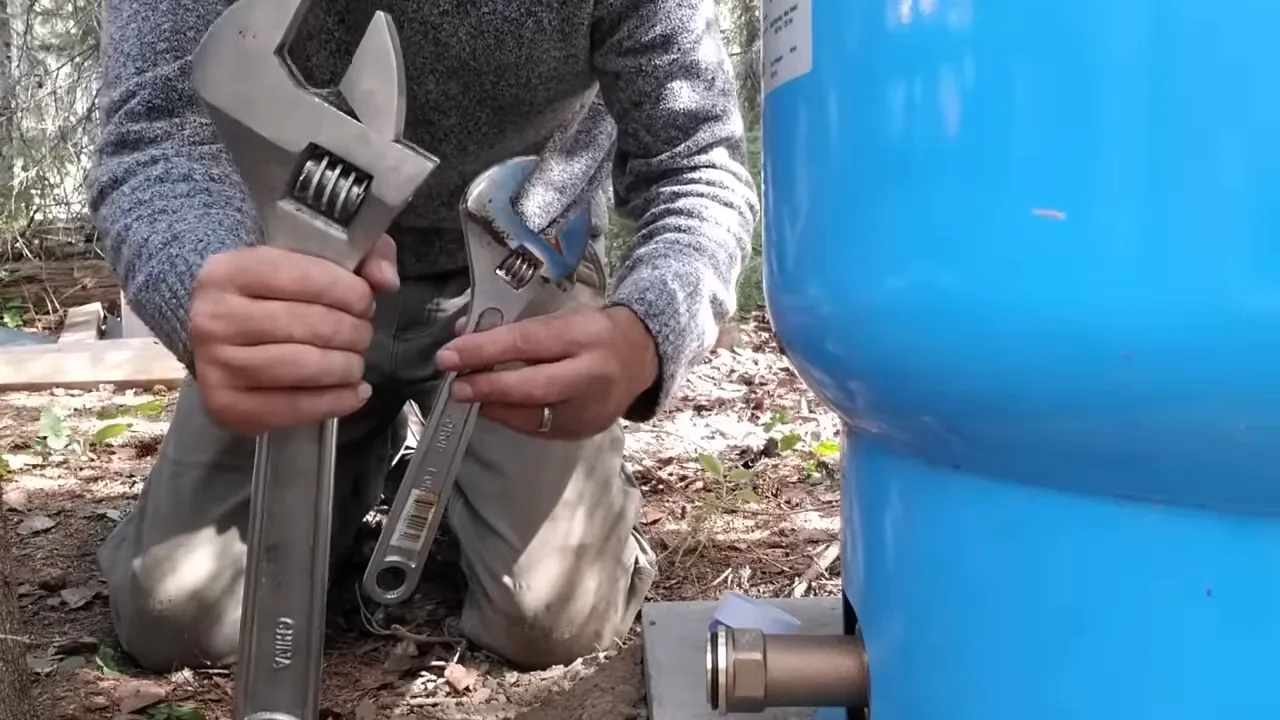
We finally got the pressure tank mounted and plumbed to our filtration stack. Getting a solid base in place—crushed gravel and a paving block—made the heavy tank manageable. The manifold went on next, and a few brass fittings later we had drain, pressure relief, and a backflow preventer installed. Using brass for the threaded connections gives us durability and peace of mind for long-term, low-maintenance living.
Throughout the install we kept in mind the principle of a well-manifolded supply: keep the main runs at one inch PEX, then branch down to three-quarter or half-inch at fixtures. That minimizes pressure loss and lets us have reliable flow even across multiple taps. This is the foundation of our off-grid water system, and it feels great to see it come together.
Water Pump Wiring — the fun part: waterproof electrical splicing
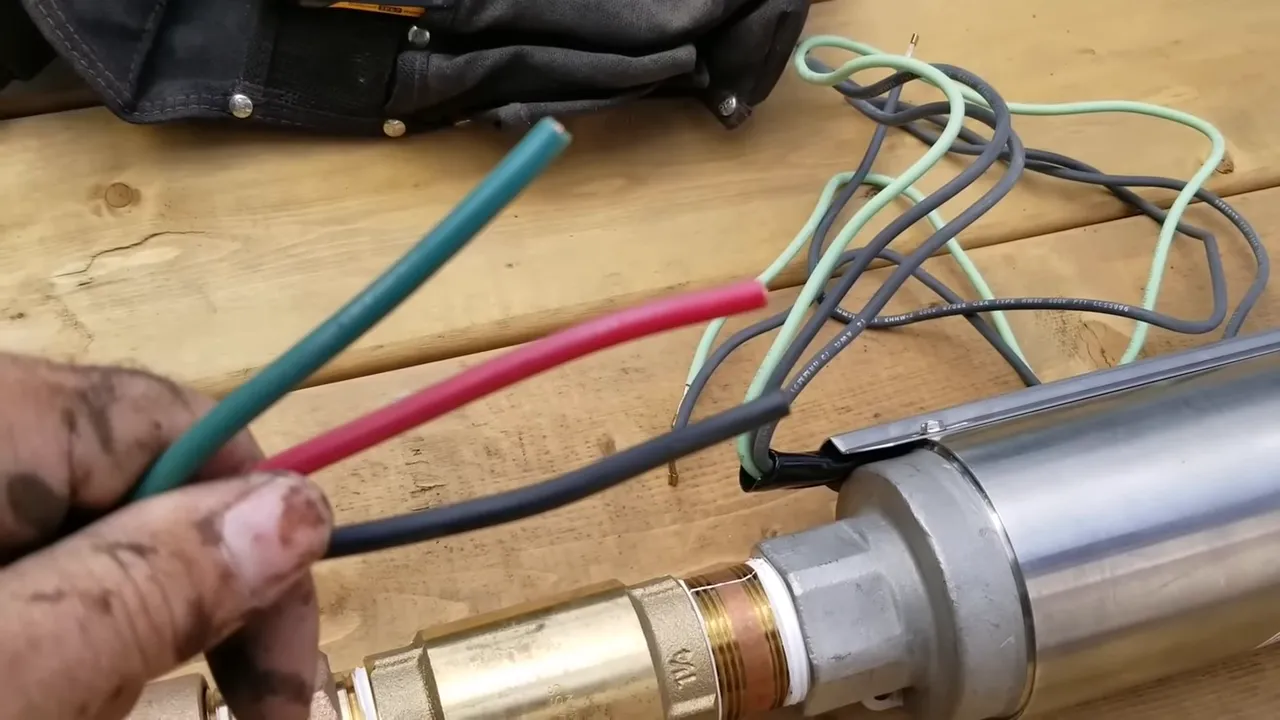
When the plumbing was done, the electrical work began. We tied the pump wires into the pressure switch using watertight splice connectors and heat-shrink seals. The clear tubing with the adhesive liner does an incredible job protecting connections from moisture—something you absolutely need on an island where humidity and spray are always a factor.
Our pump will be powered from the solar system, so routing the power and ensuring proper gauge and protection was a must. Once the pressure gauge and pressure switch were in place the tank was ready to accept water. This final step turned our setup into a true off-grid water system—treated water on demand instead of hauling and boiling all the time.
Birthday Morning — family, food and homesteading lessons
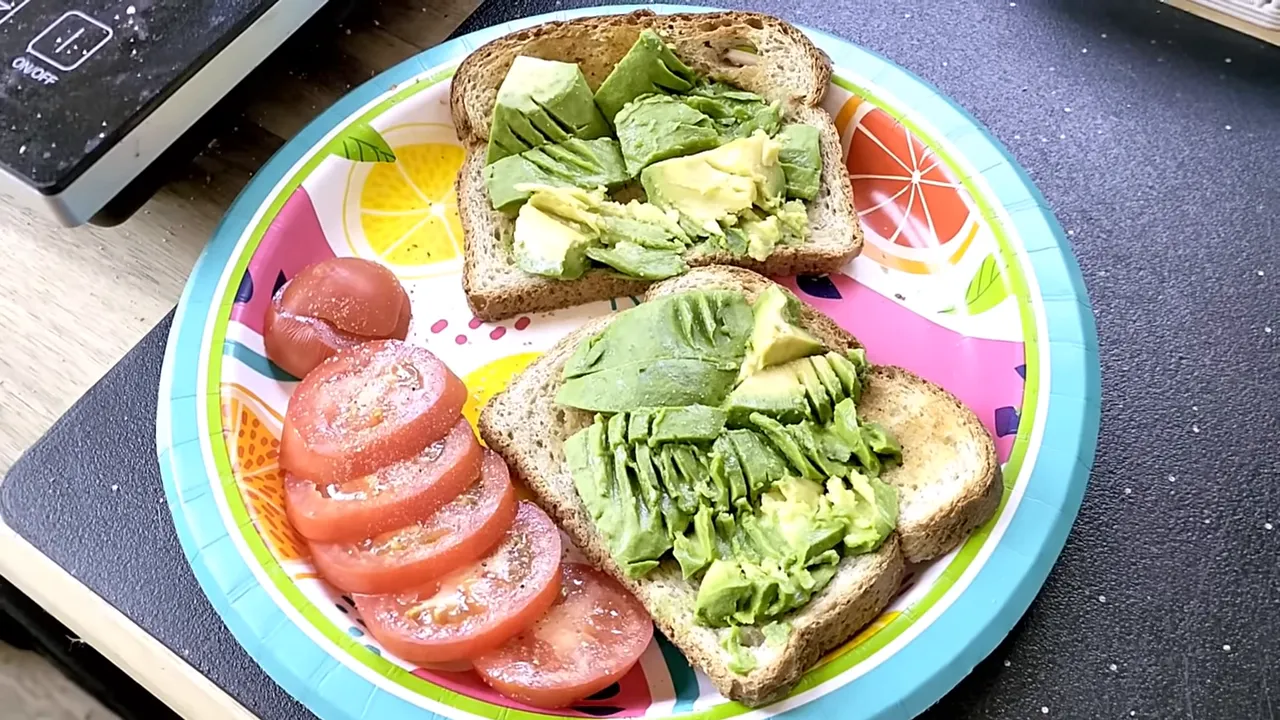
We paused the work for a simple, joyful breakfast: pancakes by the water and a small celebration. Family moments like this are as much a part of our homestead as the tools and tanks. We talked about what we’ve learned this year—more patience, a lot of practical know-how—and celebrated small wins together.
Those quiet mornings remind us why we do this. The homesteading life blends handiwork with hospitality: a cake iced in odd places becomes part of the story. These moments reinforce our commitment to a slower life that values self-reliance and family time.
Saskatoon Berry Harvest — a bumper crop and island fruit
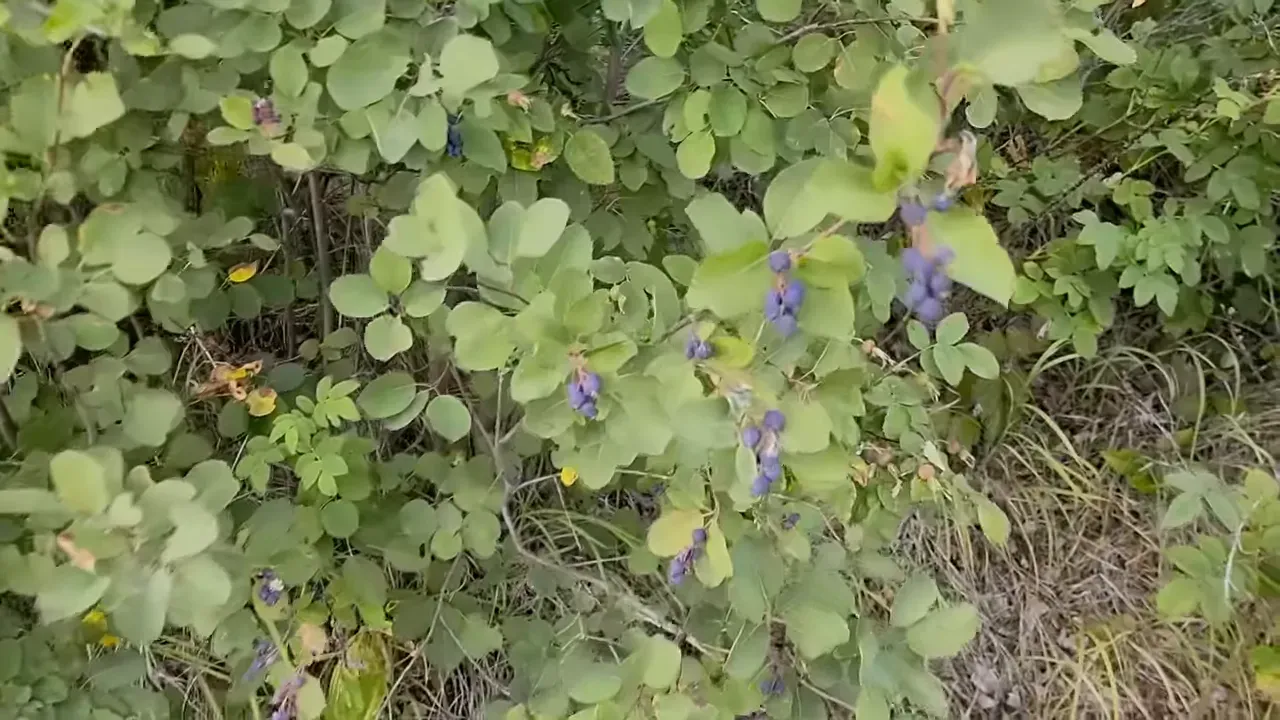
This season brought a bumper crop of saskatoons at what we call Berry Point. The bushes were loaded—so easy to pick that the berries almost rolled into our buckets. We picked enough for pancakes, jam, and to preserve for leaner years. Fruit like this is a reminder of the seasonal bounty that comes with patient stewardship of the land.
We made sure not to waste a berry. Birds will take their share, but careful harvesting and simple preservation lets us extend the goodness through the year. These natural gifts are a cornerstone of remote homestead living and add measurable value to our food security.
Boat Work & Repair — winch issues and a bumped head
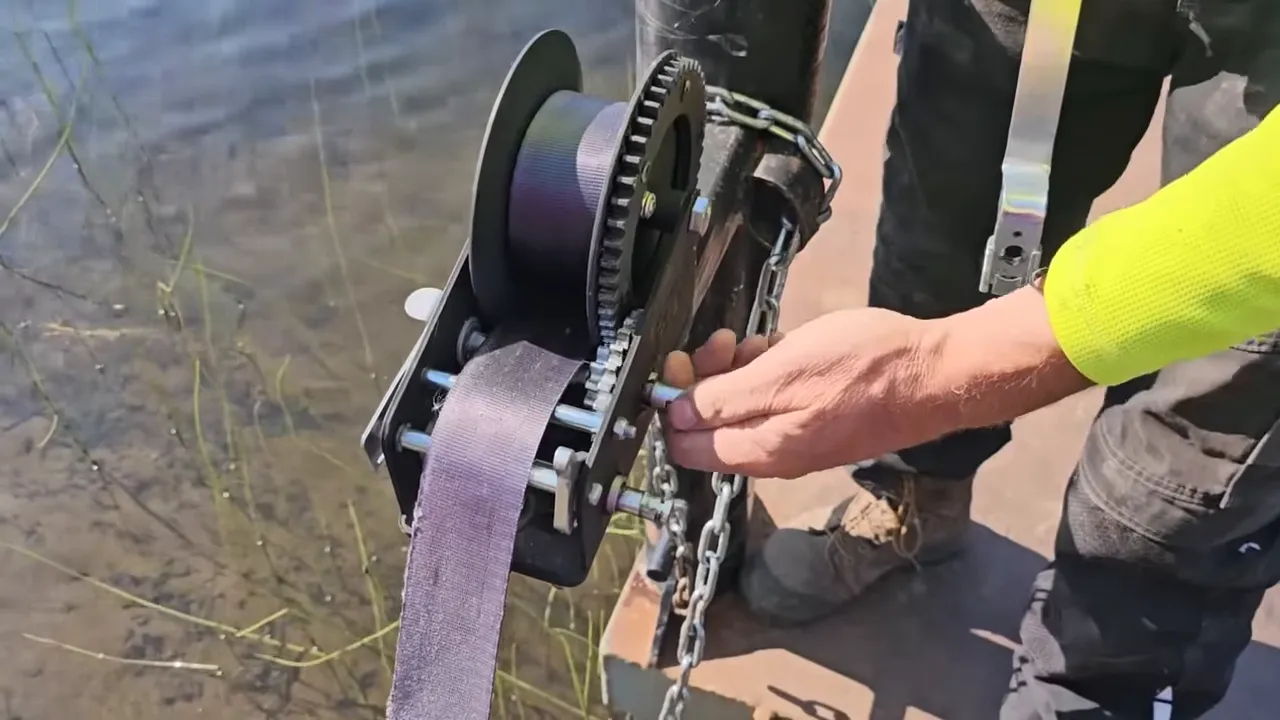
Not everything goes smoothly. Our winch developed a thrust-bearing problem and became difficult to crank, which complicated loading and unloading. Then, in a classic homestead moment, a head knock on the trailer beam left one of us with a goose egg and a sharper appreciation for taking it slow. Thankfully, the injury was minor and a good hat got a small upgrade.
These mechanical hiccups are part of island life—tools wear, parts fail, and improvisation becomes a daily skill. We keep spare parts and basic tools on hand precisely because repairs are a routine part of staying self-reliant.
Canoe & Kayak Maiden Voyage — island mobility and safety
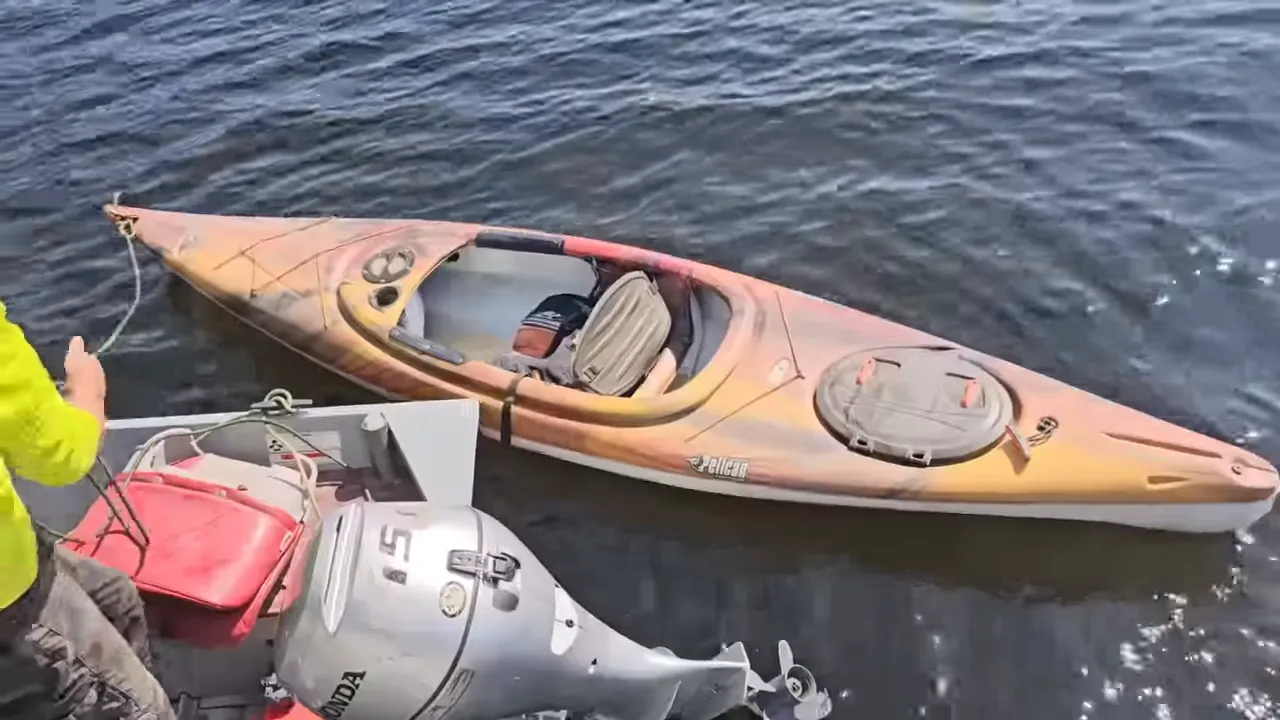
On a brighter note, we ferried a new canoe and a kayak onto the island. The water was low and required careful approaches, but the maiden voyage was a success. Having these small craft opens up everything from easy berry scouting to quiet fishing and exploration—plus they’re wonderful for short, peaceful crossings that connect our little homestead to the mainland.
Safety matters: shallow bars, low water, and loose ropes all demand respect. We always keep life jackets ready and practice safe loading and unloading procedures, especially when the lake level is low.
Final Setup — treated potable water to the sink and how things have changed
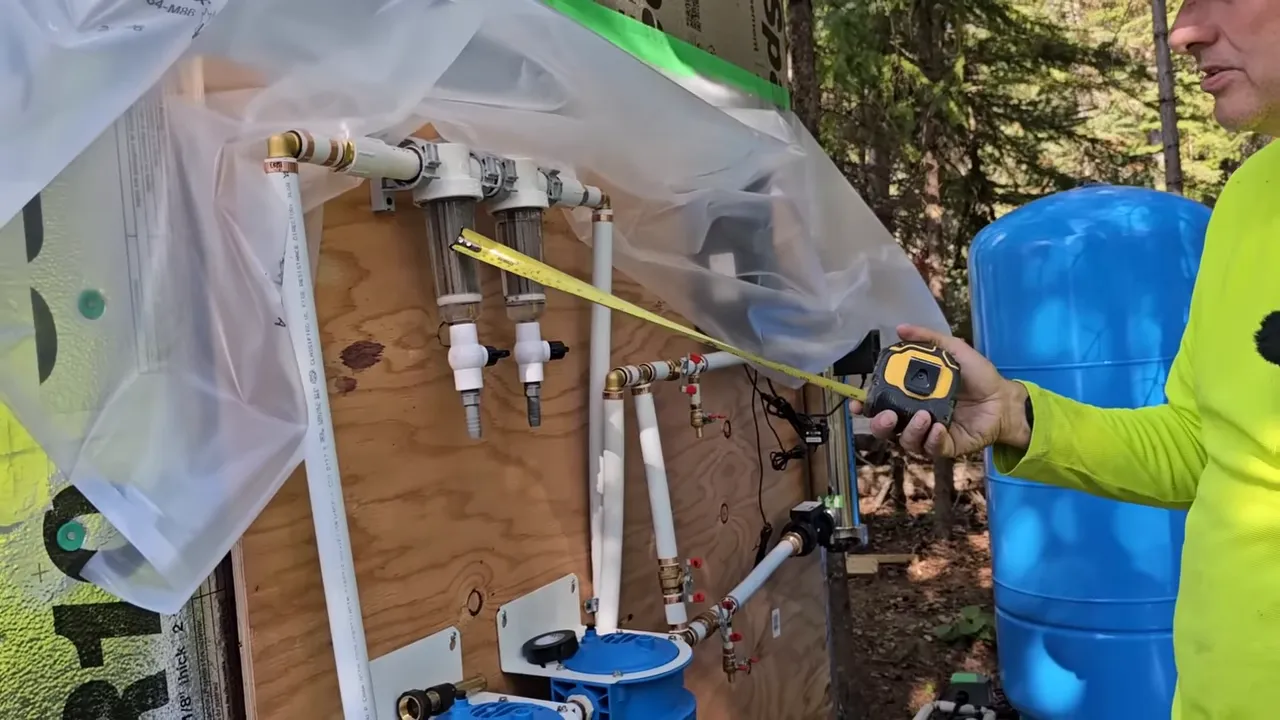
After plumbing, wiring, and testing, we finally routed treated water to the sink. Our system routes water through multiple stages—sediment filters, carbon, and a UV system—before it reaches the faucet and the shower. That means no more boiling on the fire just to do dishes or have a basic wash. This upgrade represents a significant step forward in our daily comfort and our overall ability to live off-grid.
We used PEX for most runs because it’s fast to work with, flexible enough to tolerate mild freezing, and forgiving if we need to make future changes. By keeping the main runs at one inch and stepping down only at fixtures, we avoid unnecessary pressure loss. It’s a practical, robust setup for a remote homestead and exactly the kind of investment that makes island life more sustainable.
Where to find the gear we used and follow along
We pull most of our hardware and useful tools from a short list of reliable sources. If you want to source similar items, check our recommended favorites and gear list at our store: Our Favorite Things. We also maintain an Amazon storefront with many of the items we use: My Wild Holm Amazon Store. For social updates and photos, follow us on Facebook: My Wild Holm on Facebook and Instagram: My Wild Holm on Instagram.
Conclusion
Putting a proper off-grid water system in place, learning reliable homestead plumbing practices, and mastering watertight electrical splices have changed our daily life on the island. We’re not just surviving—we’re building systems that let us thrive. Between the practical wins and the simple pleasures—pancakes, family, and a bumper saskatoon harvest—this season has been a powerful reminder of what it means to live deliberately in the wilderness.
We hope this practical overview helps anyone considering a similar path. If you’re planning a remote cabin or improving an existing off-grid setup, focus on durable fittings, sensible manifold strategies, and proper electrical protection for pumps. Small investments now save big headaches later.
#ThriveOnARemoteIsland #OffGridWaterSystem #RemoteHomestead #MyWildHolm #IslandLifeCanada #HomesteadPlumbing #DIYOffGridLiving #Homestead