Off Grid Life on a Remote Island: First Snow, Last Catch & Preparing to Leave – My Wild Holm S3Ep34
Life on our wilderness homestead is always full of surprises… Snow has arrived early — even though it wasn’t in the forecast—and we’re racing to get things ready before leaving for Ryan’s medical appointments. From greenhouse experiments with peppers, tomatoes, zucchini, and even our first pumpkin, to a cozy homemade pizza with fresh toppings, we’re reminded of the joy of growing and eating our own food.
Our day wouldn’t be complete without a last fishing trip. After a disappointing start, Ryan finally reels in a lively rainbow trout—fresh protein for our table before we head out. But not everything goes smoothly. Pepper all of a sudden quits mid-log move, and we face slippery, muddy conditions with snow falling fast. Despite the obstacles, we push forward with orchard prep, log clearing, and greenhouse plans for next year.
Table of Contents
- Greenhouse Experiments and Small Harvest Wins
- Pizza Night: From Greenhouse to Convection Oven
- Bait Blunders: The Worm Fail
- Last-Minute Trout: The Rainbow on the Line
- Clearing Land and Preparing an Orchard
- Pepper and the Mechanics: Tracks, Tight Squeezes, and Fuel Lines
- First Snow in September: A Surprise Turn of Season
- What We Learned and Practical Tips for Remote Homesteading
- Final Thoughts
Greenhouse Experiments and Small Harvest Wins
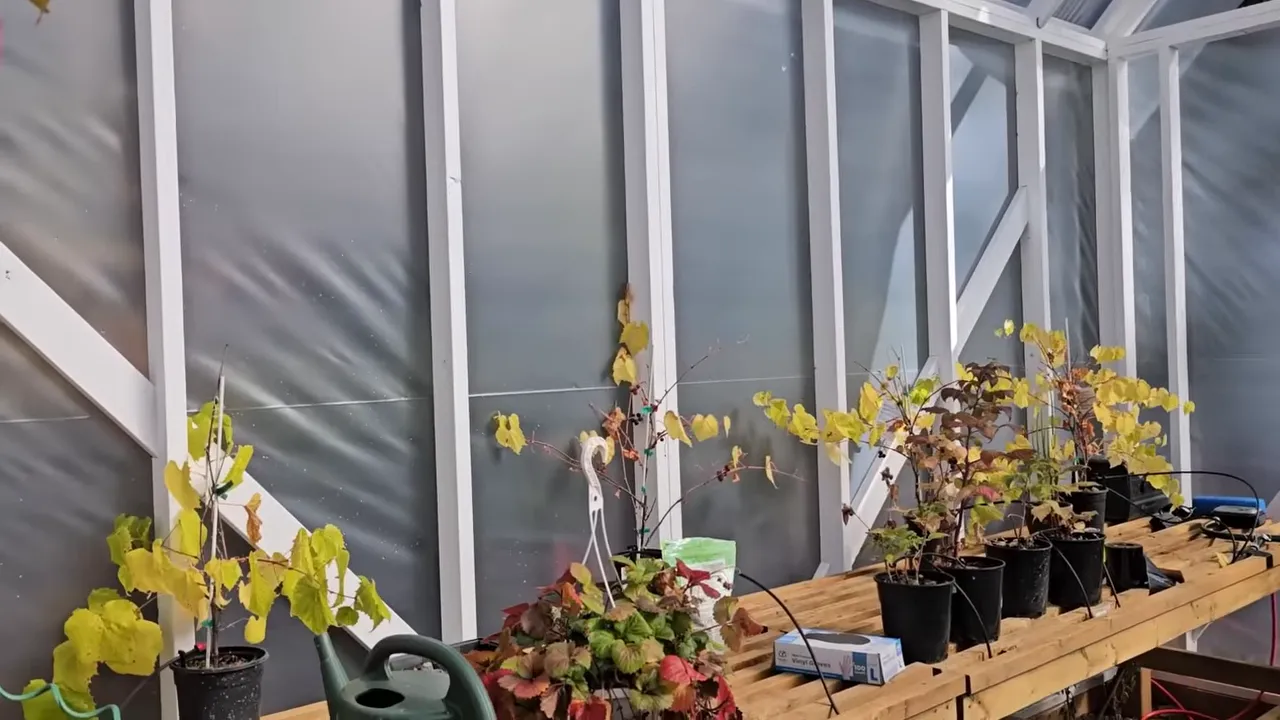
Our little greenhouse was meant to be an experiment—and it exceeded expectations. After a season where we couldn’t tend to things as much as we wanted, we still managed to grow peppers, tomatoes, zucchini, and even a tiny first pumpkin. That kind of payoff is why we keep building and refining our off-grid systems.
Using homegrown ingredients straight onto a meal reminds us every season why we embraced Off Grid Life on a Remote Island. Fresh produce from your own plot tastes better and gives confidence that future seasons will be even more productive. We’re already planning to start earlier next year and expand the grapevines and orchard area.
Mama Mia, now that’s-a nice-a Pizza! — Greenhouse to table
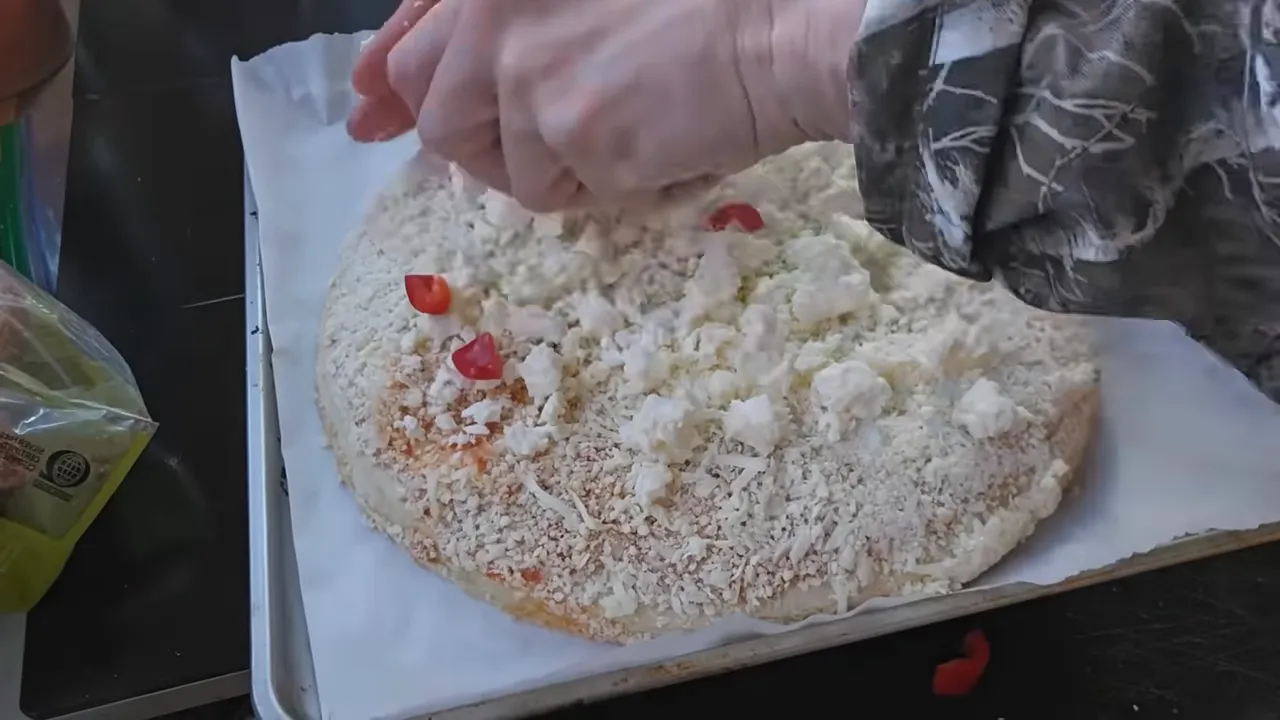
Some nights we like to keep things simple and celebratory. A store-bought base, crumbled feta, and fresh bell peppers from the greenhouse—small things that feel big when they’re home-grown. Melodi learned to make pizza in home-ec class years ago, and those basic recipes have stuck with her. A quick toast in the convection oven and dinner is done.
There’s an understated joy in turning produce straight from the garden into a warm meal. It’s part of why our lifestyle of Remote Island Homestead and Cabin Life in Canada resonates: it’s about self-reliance, practicality, and the simple pleasures of food cooked with our own hands.
Total worm fail. Yuck! — Bait lessons and quick pivots

We picked up worms for a fishing run and found out pretty quickly they were done for — totally slimed out after sitting for nearly a month. Pretty unpleasant and not exactly what we hoped for. It was one of those small reminders that even basic supplies don’t keep forever, especially when resupply trips are few and far between.
We have a Rainbow on the line! — Quiet persistence pays off
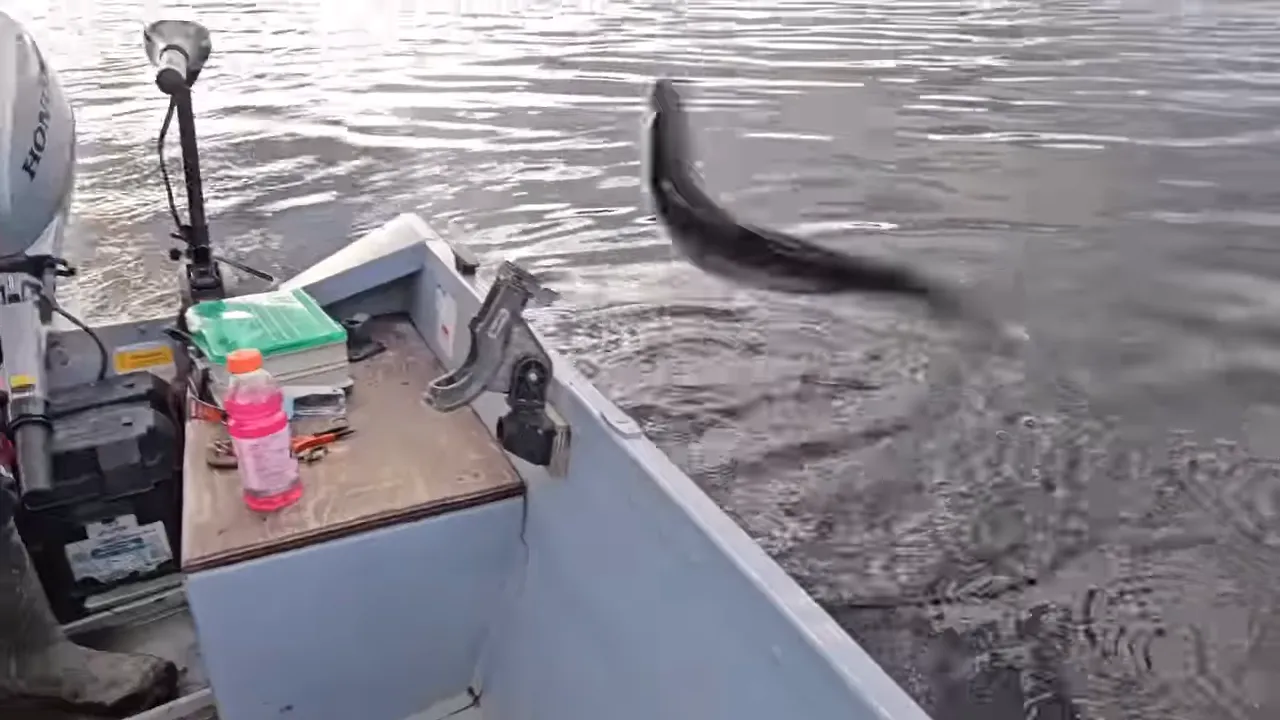
After some false starts we finally hooked a lively rainbow trout. There’s nothing like fresh fish to round out a long day. We measured and confirmed it was legal size, topped off with onions from the greenhouse—proof that small-scale food systems can cover real dietary needs.
Fishing in this setting is as much about patience and being present as it is about technique. When success comes—like landing a rainbow—it becomes a satisfying end to a season and a practical reward for our homestead work. That’s the real essence of TroutFishing in a remote place.
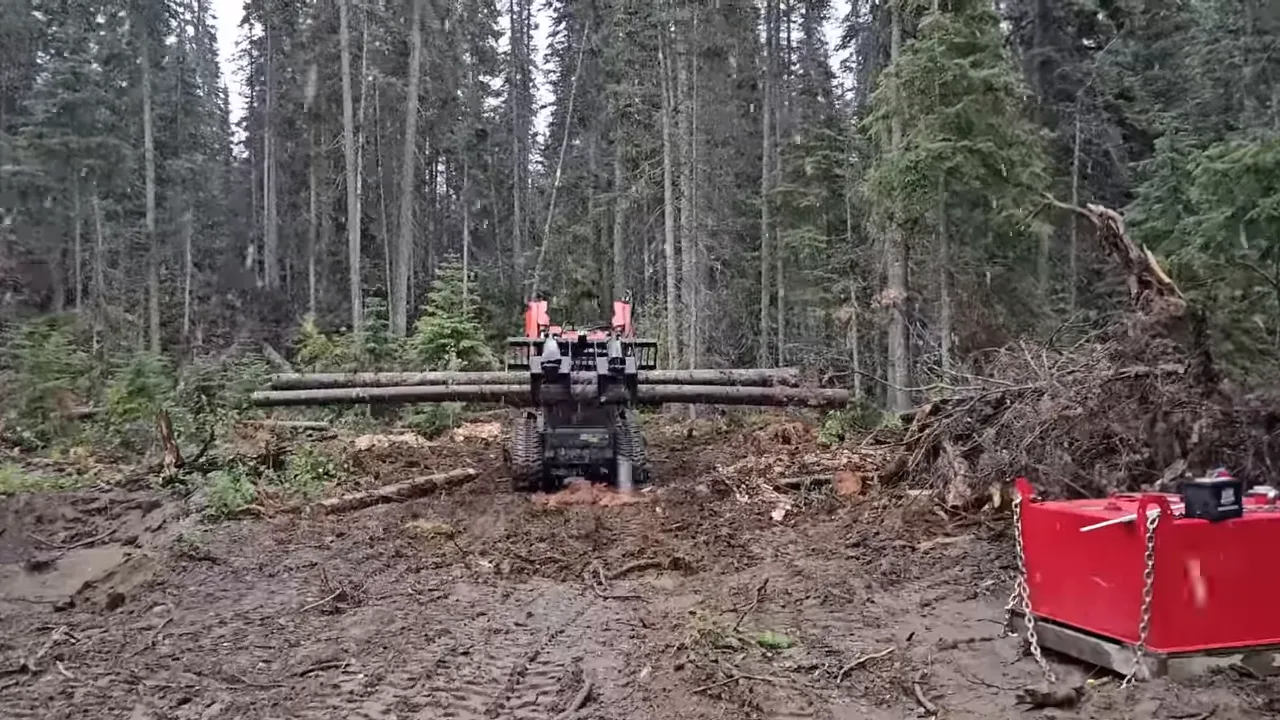
Clearing land with HUGE snowshoes — Why we chose wide tracks for Pepper
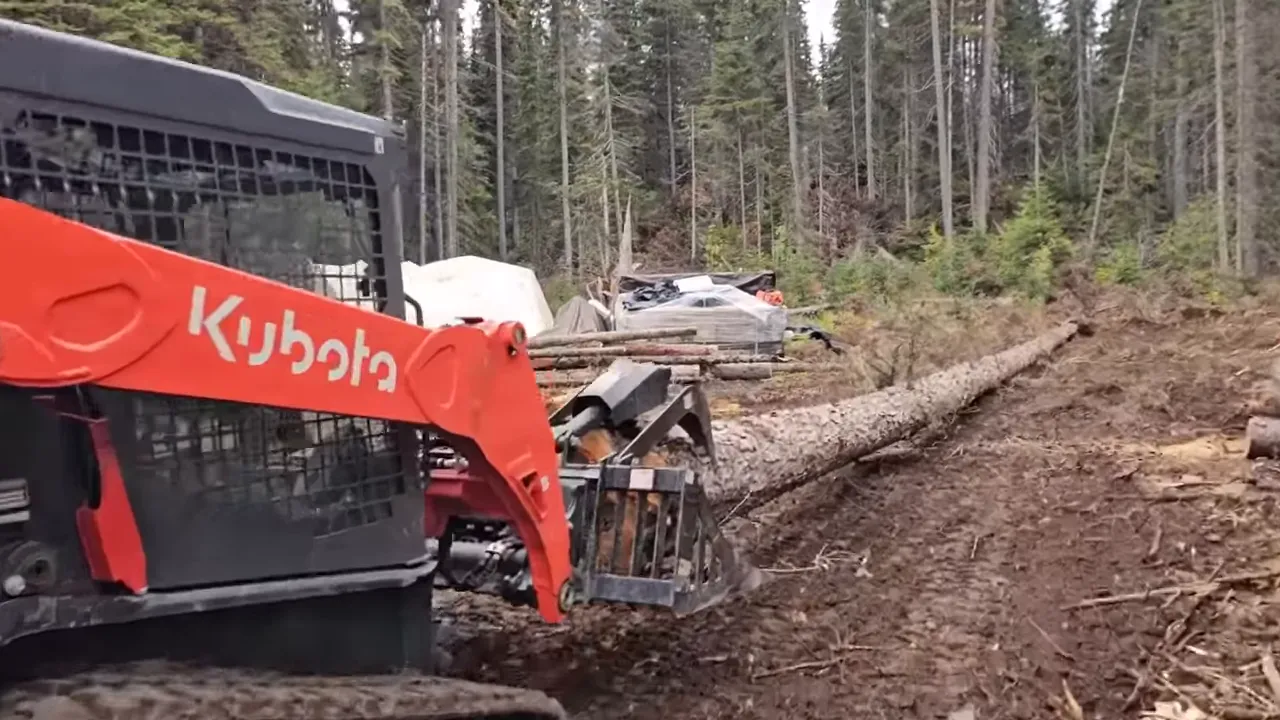
We spent days burning and hauling brush to make space for fruit trees and grapevines. Seeing the area go from a 10-foot pile of brush to a cleared orchard site was hugely motivating. The move to plant trees is long-term thinking; fruit trees are an investment that pays out over years, not days.
To do this safely and efficiently we relied on low-ground-pressure equipment to avoid getting stuck in the wet ground. That planning matters when you live where the terrain can change quickly with rain and seasonal runoff—part of living a true TinyCabinOffGrid lifestyle.
Super tight squeeze… — Truck, wood chipper, and tense moments
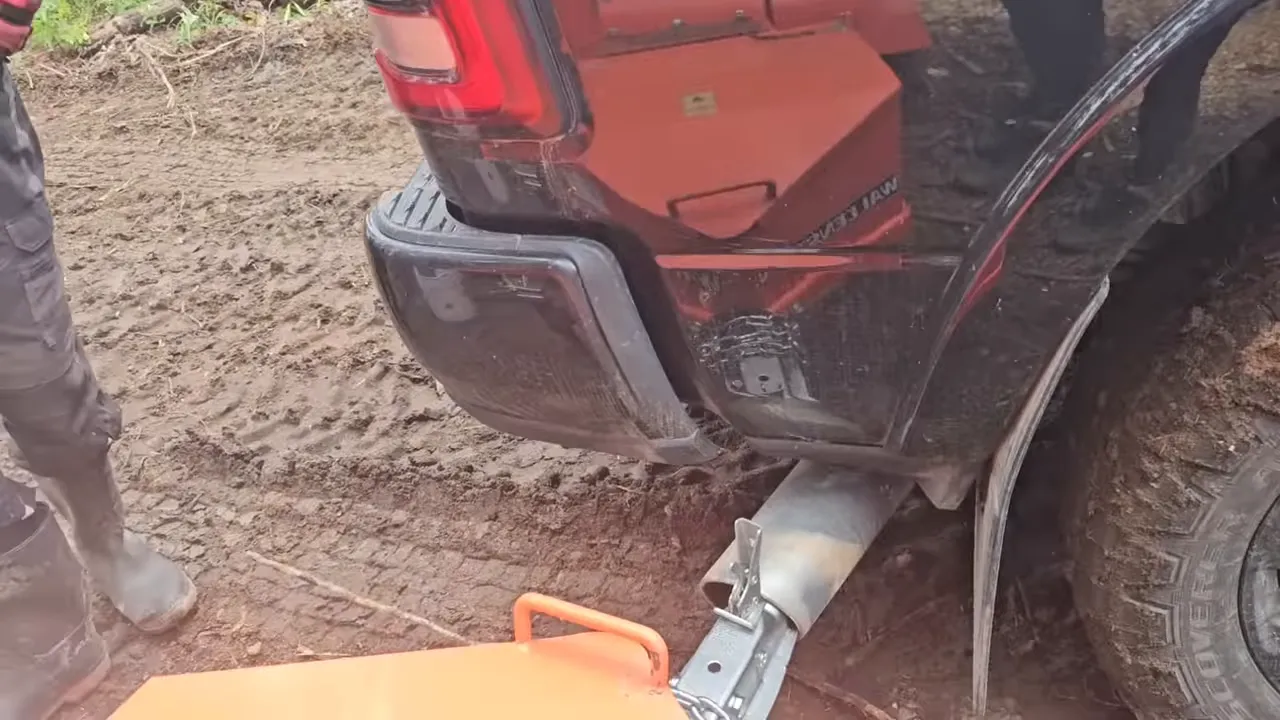
Midway through a log move Pepper—the tracked machine we use—cut out unexpectedly. The fuel gauge lied, and we found ourselves pressurizing lines and adding fuel. We also had a heart-stopping moment when the truck skated and docked with the wood chipper, narrowly avoiding major damage to the exhaust.
Mechanical hiccups like dead batteries, stubborn injectors, and slick clay under your tires are part of remote living. The solution is practical redundancy: tools, parts, friends who can lend a hand, and the knowledge to troubleshoot on-site. These moments are why we respect preparedness and why maintaining equipment is central to our version of WildernessAdventure.
First Snow in September: A Surprise Turn of Season
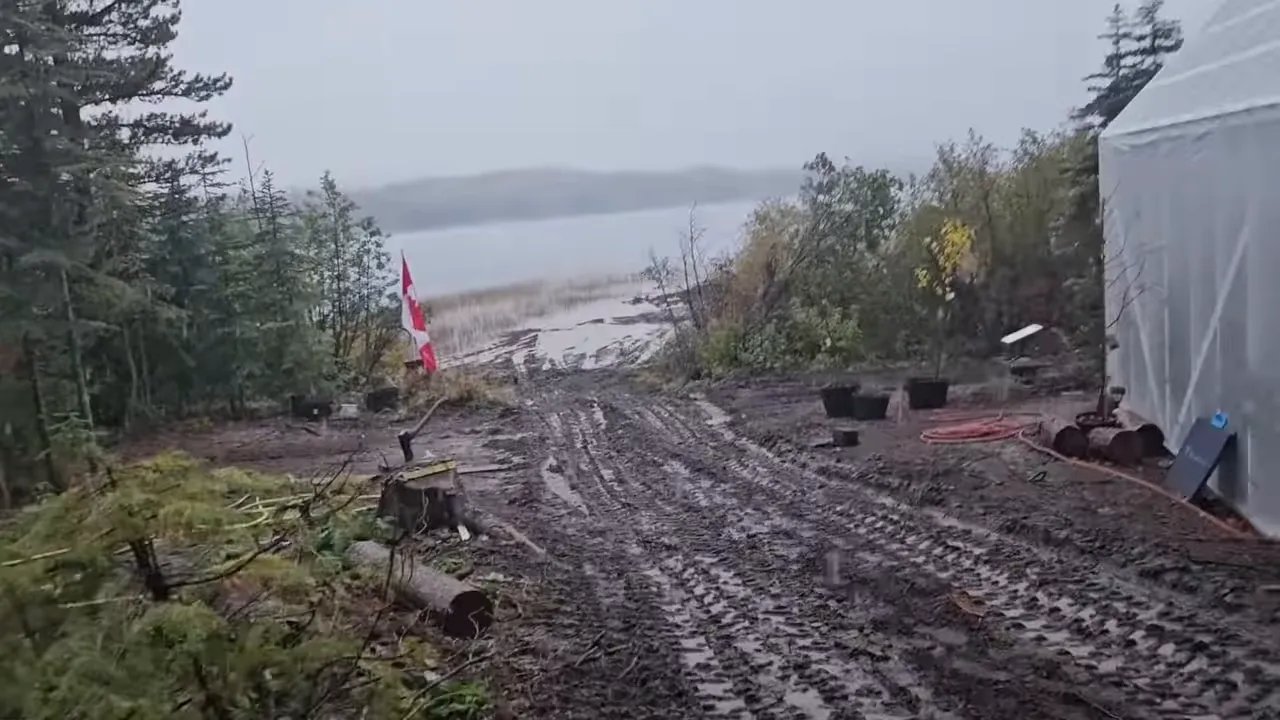
Then came the twist: wet, puffy snow in late September. It wasn’t in the forecast. For northern homesteaders, early snow signals a tight window to finish tasks and move gear. We felt a mix of awe and urgency watching wet flakes fall—beautiful, but a reminder to prepare for colder weather.
We finished stacking wood and tidying the cabin, grateful for the heater and a warm coat. Even with medical appointments pending and a fast-approaching departure, the snow gave us one last quiet moment on the island—one we’ll remember when planning next season’s projects.
What We Learned and Practical Tips for Remote Homesteading
After the smoke clears and the last fish is filleted, a few practical takeaways stand out:
- Keep spare fuel and never trust a single gauge. Running equipment dry creates cascading maintenance work.
- Store perishables thoughtfully. Bait and some supplies have short shelf lives—we now date containers and plan resupply runs around that reality.
- Plan for mud and low traction. Ultra-wide tracks, appropriate tires, and cautious driving are worth the upfront cost.
- Invest in perennial plantings early. Fruit trees and grapevines take time but reduce dependence on off-island food over years.
These practical measures are part of what makes the life we enjoy possible. They help turn unpredictable days—like setting a net in wet snow—into moments where we feel capable and content.
Final Thoughts
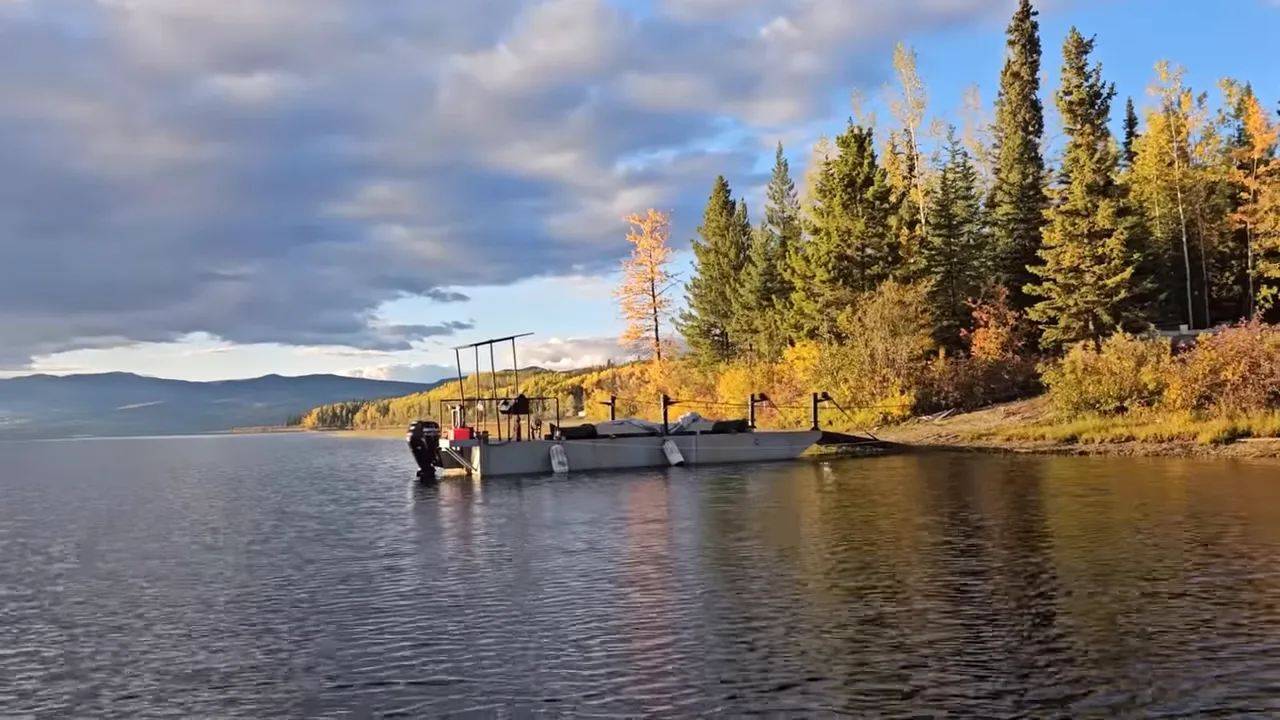
Our life here is a patchwork of experiments, small victories, and quick fixes. From greenhouse harvests and homemade pizza to hauling logs, catching trout, and nursing a diesel back to life, every day teaches something new about living simply and intentionally. We keep pushing our homestead forward: more fruit trees, a bigger garden, better winter plans for solar batteries, and a continued focus on durable gear for wet terrain.
We’d recommend anyone exploring a remote island homestead or tiny cabin off grid life to start small, learn basic mechanical skills, and savor the produce from your own greenhouse. The rewards are practical, emotional, and surprisingly delicious.
social links:
- Amazon store: https://amzn.to/4rE3ER3
- Facebook: https://www.facebook.com/mywildholm
- Instagram: https://www.instagram.com/mywildholm
- Pinterest: https://www.pinterest.ca/mywildholm/