Would You Move to a Remote Island? – This is Our Story! – My Wild Holm S3 Ep28
We made the bold decision to leave the city and move to a remote island—and this episode shows what remote island living is all about. From building with native poplar to discovering fresh bear tracks near our cabin, we’re deep into our off-grid adventure. 💪
Table of Contents
- A Peek Inside the Shed Rooms
- Clearing Land & Planning an Orchard
- The Stove & Stone Hearth
- Siding with White Poplar – DIY Island Cabin
- The Sub-Trades: Trim, Tape & Finish
- Best Hot Chocolate EVER! — Family Moments
- Final Touches: Exhaust Fan & Reflection on Off-Grid Life
- Sources
A Peek Inside the Shed Rooms
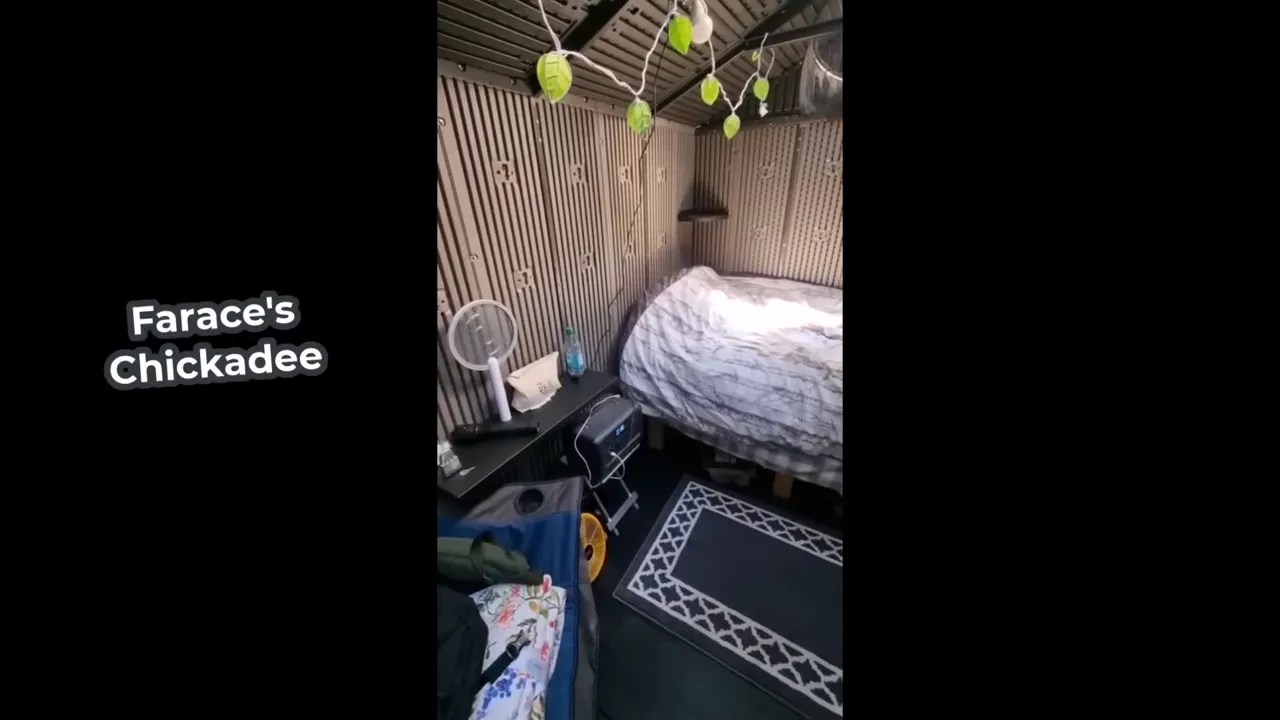
We gave each family member a compact, functional retreat: Farace’s “Chickadee” has a laptop shelf, cozy bedding and storage underneath, while Adison’s “Kinglet” is all about that snug, private workspace vibe. To keep each shed usable from the start we used a Bluetti power station for the first week and then installed permanent outlets so the rooms are practical for everyday use.
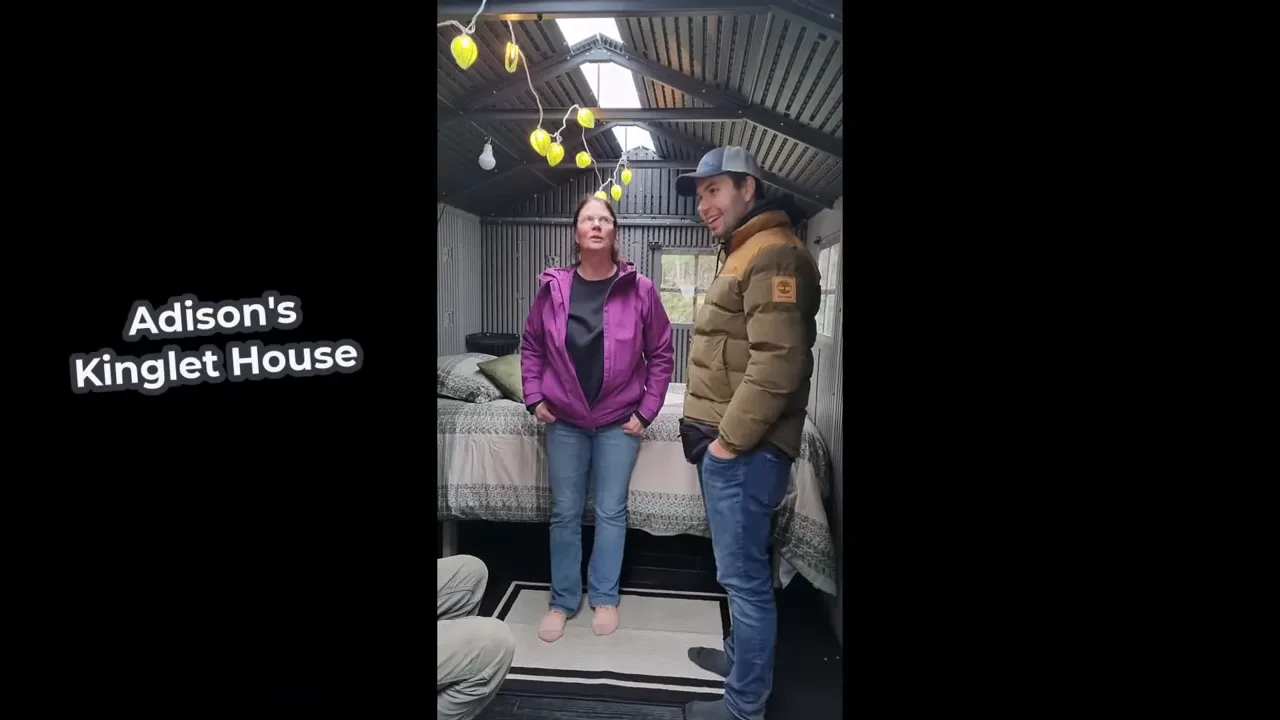
Small comforts like mosquito netting (we were lucky and barely needed it thanks to our Mosquito Magnet), solar garden lights along the paths, and tidy storage make tiny-cabin life feel intentional rather than cramped. These small adaptations are what make OffGridIslandLife manageable and enjoyable.
Clearing Land & Planning an Orchard
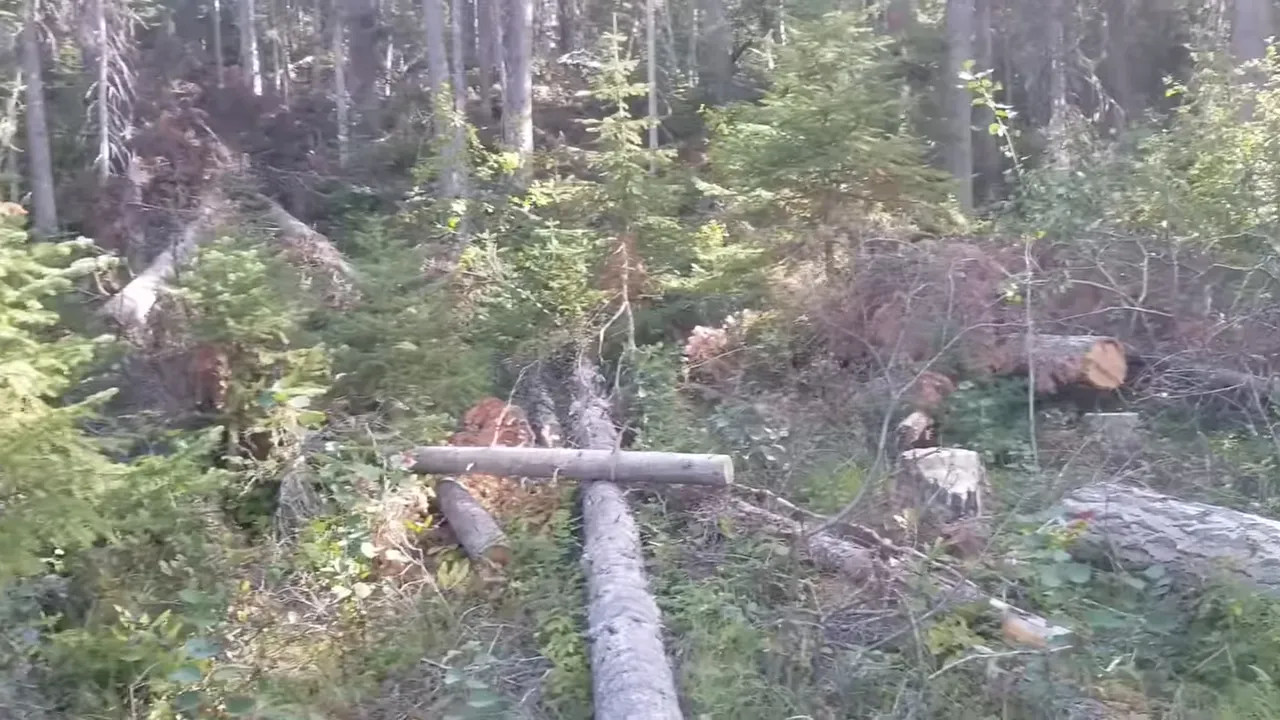
Part of island living is reclaiming and reshaping the land. We discovered fresh bear prints near our cabin — a vivid reminder that the wild surrounds us. Clearing meant limbing and cutting standing trees, then working methodically to make the area level enough to place an orchard. Step by step, log by log: that methodical “doing” taught us more than any plan on paper ever could.
Our goal is an orchard — and we’re making room for it. Planning a productive patch on a remote island requires patience, an eye for drainage and sun exposure, and willingness to work with what the land gives you. This is real #RemoteIslandLiving in practice.
The Stove & Stone Hearth
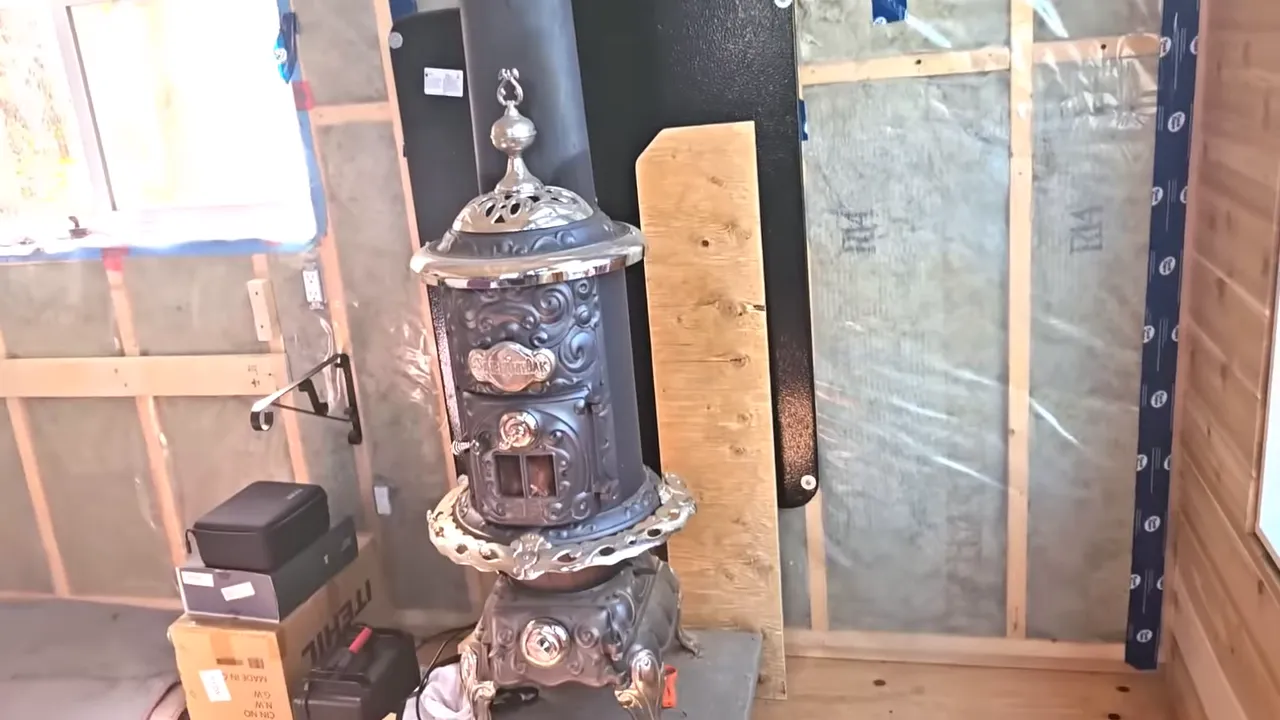
Our little wood stove is a beautiful focal point but surprisingly heavy. We moved it out temporarily to give ourselves space to install the walls and to plan for a proper stone hearth. Patio blocks worked as a temporary base, but we’re aiming for something more refined — a hearth that suits both function and the cozy aesthetic of our tiny cabin.
Practical decisions like this — where to place the stove, how to protect junction boxes behind it, and building a safe exhaust path — are all part of living wisely on an island where you often solve problems with what’s on hand.
Siding with White Poplar – DIY Island Cabin
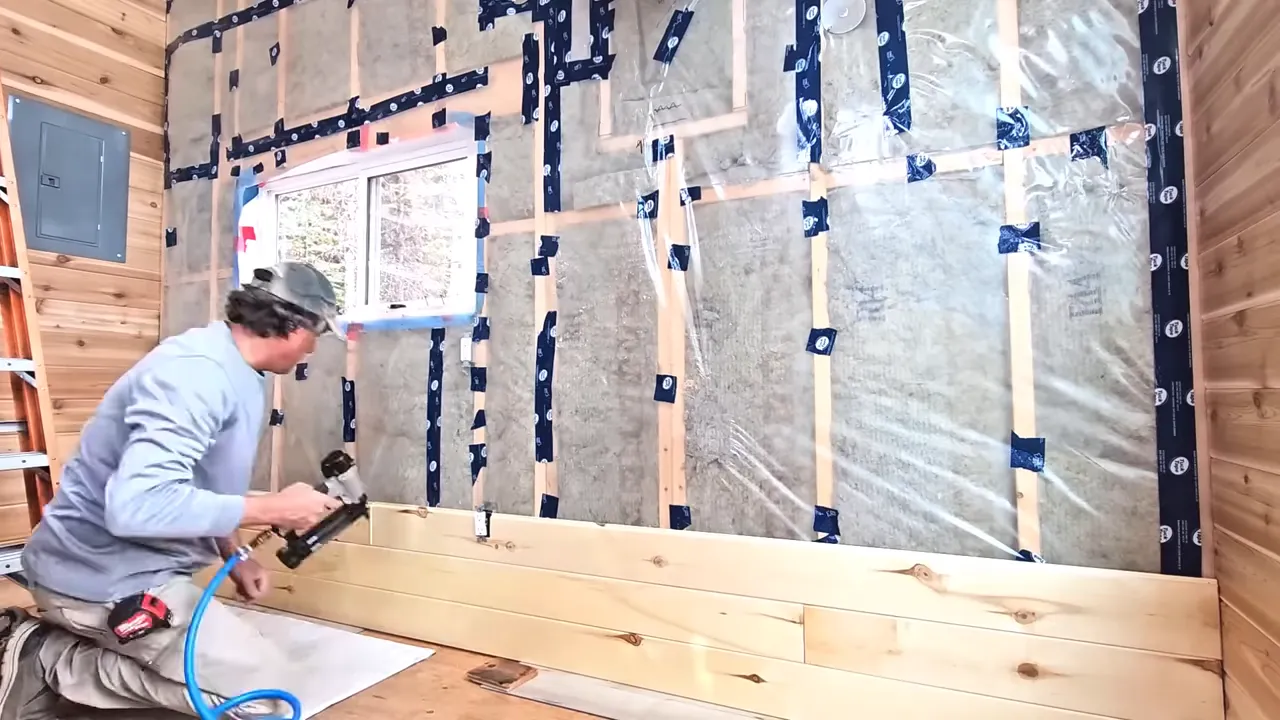
We chose white poplar for the interior siding because it’s native to our area and gives the space a light, bright feel. From the first board to the final trimming, this siding transforms the tiny cabin. The lighter tones make the room feel bigger and more open — a crucial consideration in a 192 square foot build.
Putting up the siding was a mix of excitement and careful, finicky cutting. It’s the kind of work where attention to detail matters: matching factory edges, hiding nail holes with baseboards, and keeping window planes even so trim sits flush. The payoff is huge — a calm, bright interior that belies its small footprint.
The Sub-Trades: Trim, Tape & Finish
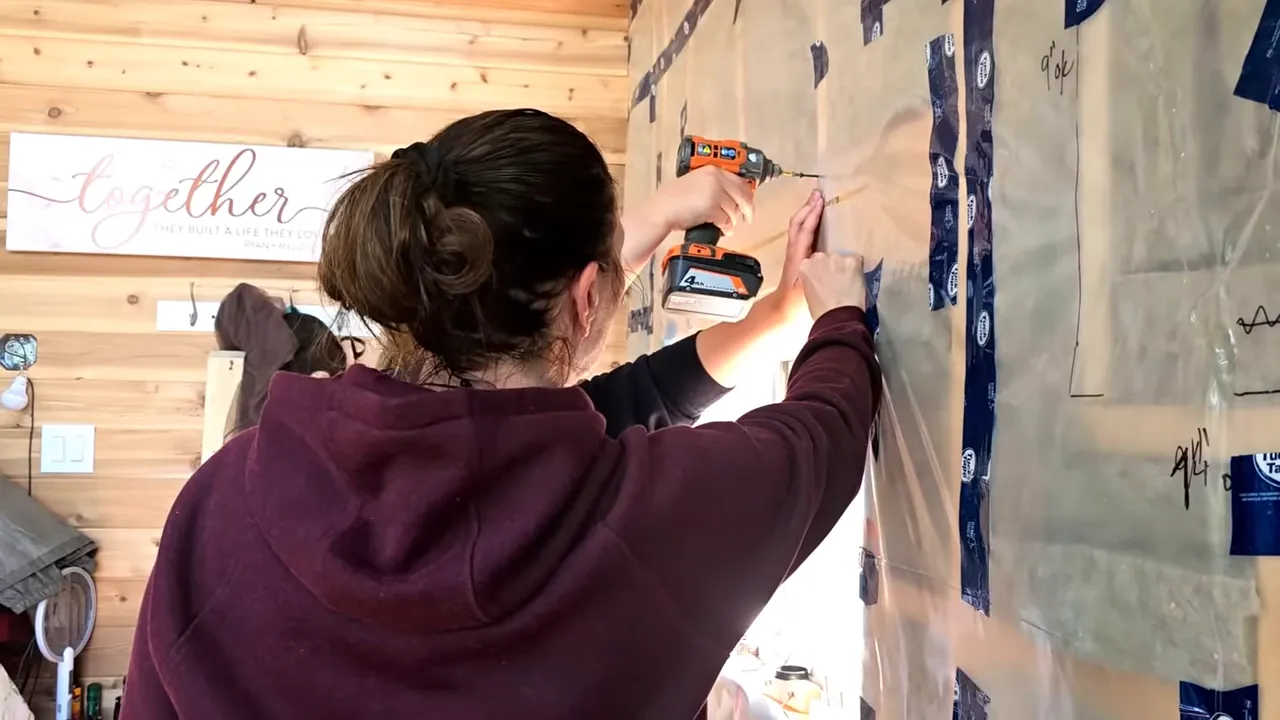
There’s a surprising amount of prep that goes into finishing a tiny cabin. We taped staple holes, installed backing boards for the exhaust fan and measured angles precisely — sometimes tracing and transferring lines to get that perfect fit. We used a nail gun to speed things along, and a jigsaw to trim tricky angles.
Finishing details — baseboards, window trim, and the exhaust fan backing — require patience but make a world of difference. These are the finishing touches that turn a shelter into a welcoming home and make tiny-cabin living feel intentional and well-built. Our approach is an honest example of DIYIslandCabin work done thoughtfully.
Best Hot Chocolate EVER! — Family Moments
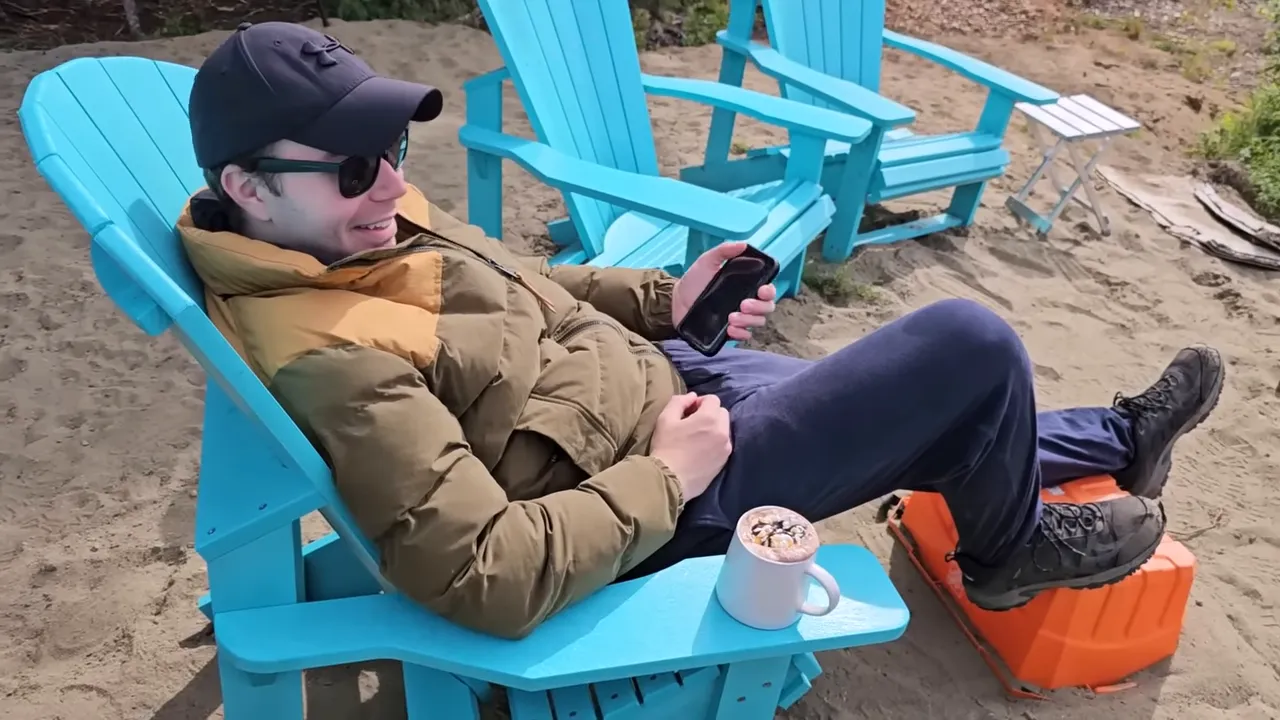
It’s the small rituals that keep morale high. We made what we call “Wild Holm hot chocolate” — a decadent cup with fudge and caramel — and gathered to celebrate progress. We finished oiling a picnic table that will double as a meeting place and a spot for games and evening fires.
Family life here is playful and cozy: s’mores around the fire, a dog that befriends everybody, and laughter while someone drills a stubborn screw. These moments make us appreciate that off-grid living isn’t only about practical work — it’s about making memories as we build.
Final Touches: Exhaust Fan & Reflection on Off-Grid Life
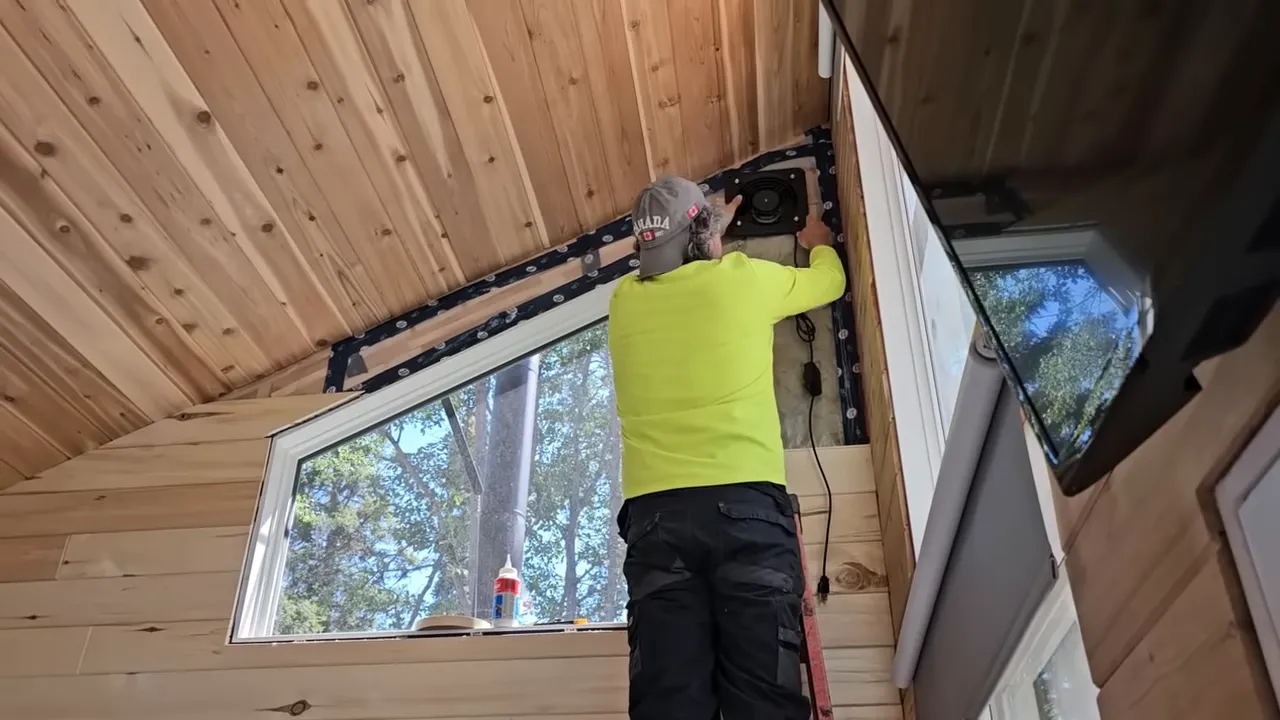
We finished the wall, installed the exhaust fan and wired it so it can be controlled by a thermostat to remove hot air automatically. That small technical upgrade improves comfort and safety, and it’s the kind of thoughtful addition that elevates tiny-cabin life.
Resources and Links
For tools and supplies we use or recommend, check our list of favorite things and gear.
Our Amazon storefront has many useful items we have used on our episodes.
Follow us on Facebook for our community updates, and you can also find us on Instagram.
Our merchandise store has some cool branded stuff if that’s your thing.
Final Thoughts
Living on a remote island has humbled us and taught us that time brings valuable experience. Mistakes made here will inform how we build our permanent cabin in the future. Right now we plan to complete power, water, greenhouse and shop — and bring our mill to the island so our main cabin can be built from our own trees. Until then, we keep improving this little abode and savoring each practical, family-filled day of FamilyHomestead and WildernessLifestyle.
#RemoteIslandLiving, #OffGridIslandLife, #FamilyHomestead, DIYIslandCabin, WildernessLifestyle, MyWildHolm